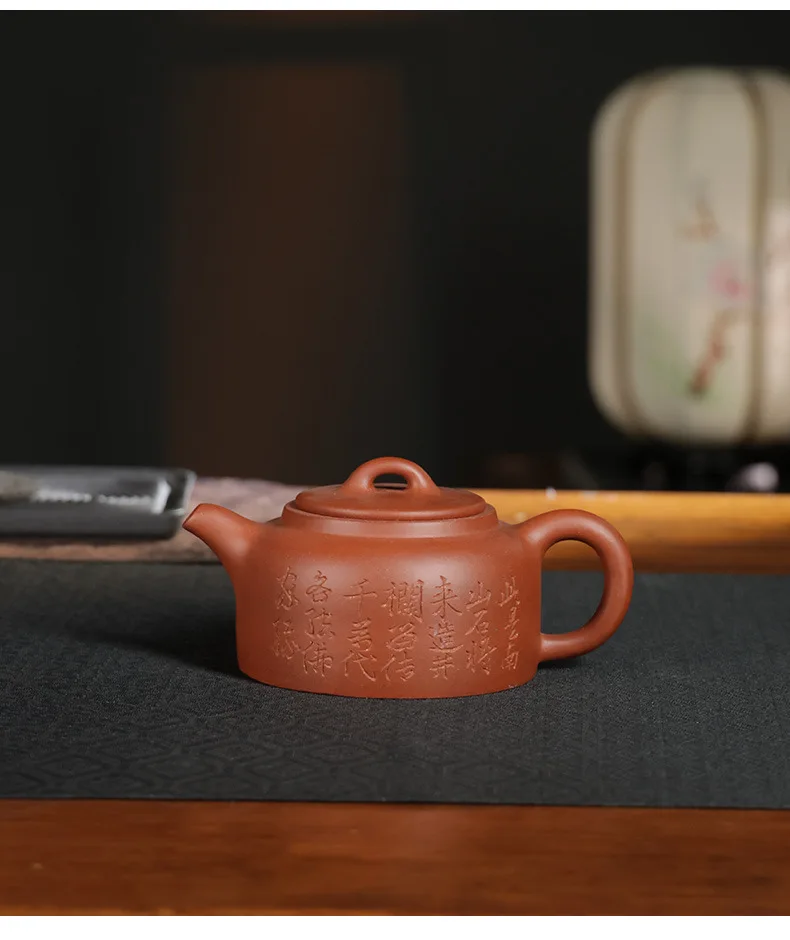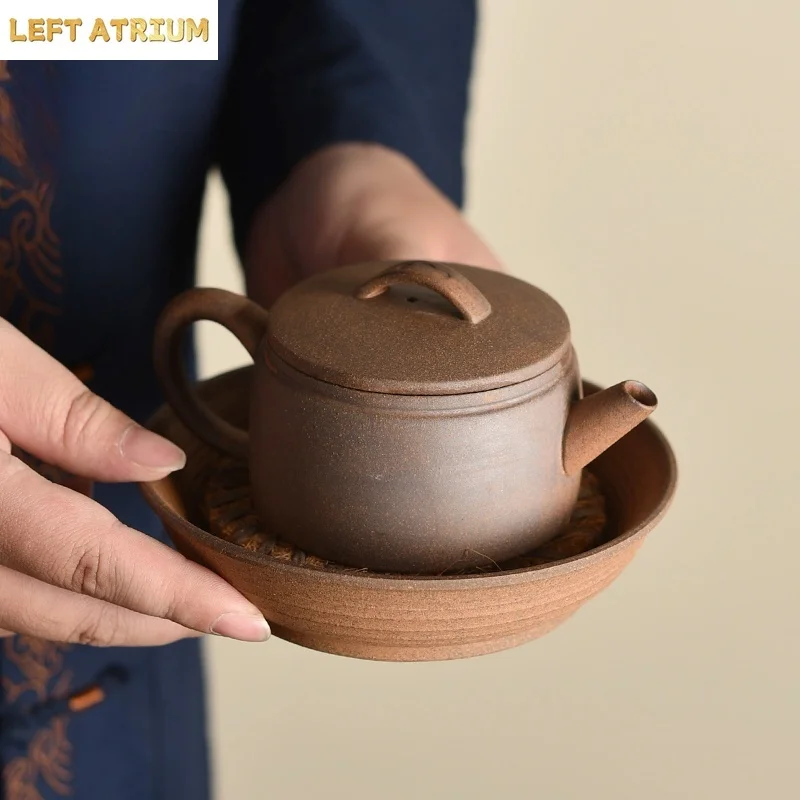

Teapot Lore

Scholar’s Triangle: Literati Geometry & Stability

The Scholar’s Triangle Teapot

A Vessel of Stability, Cultural Memory, and the Quiet Discipline of Yixing Craft

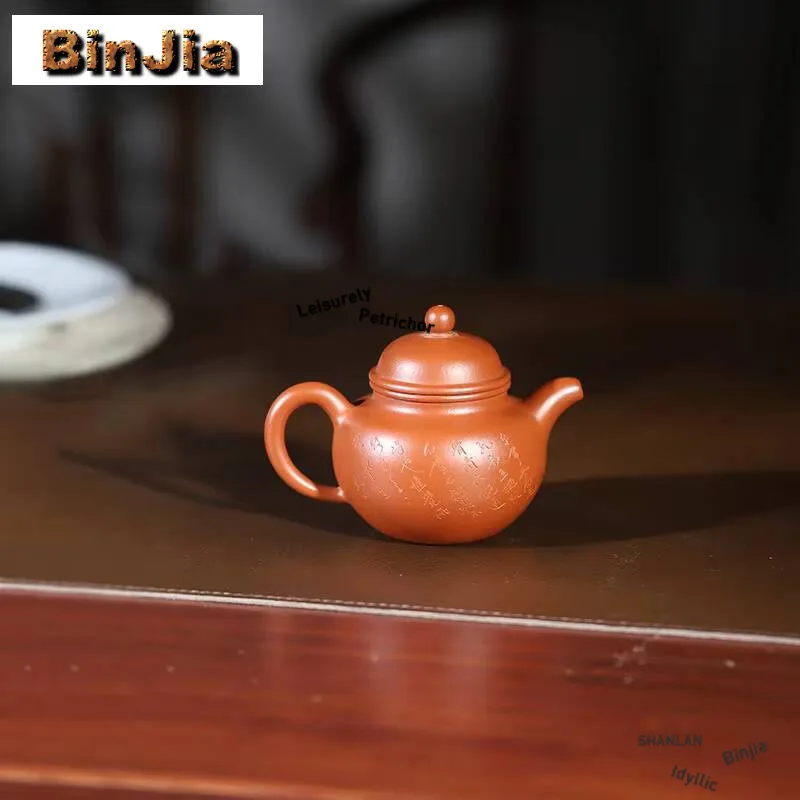
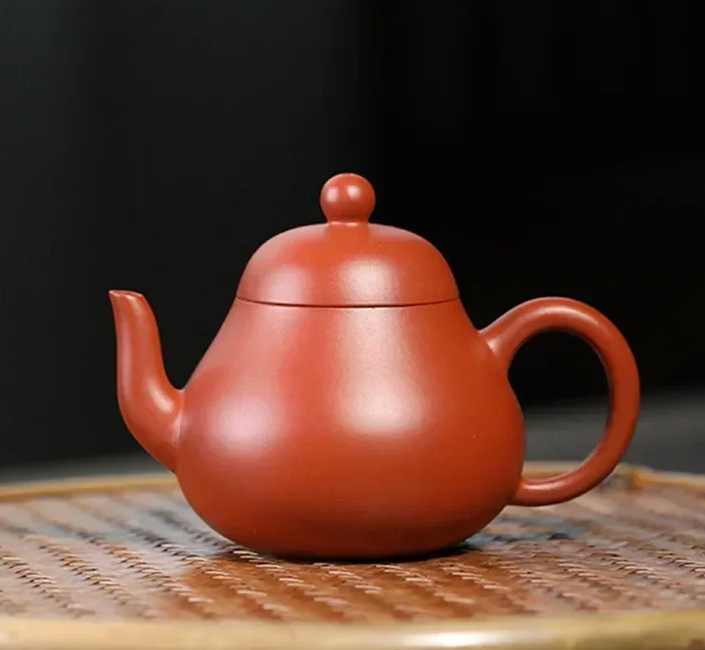
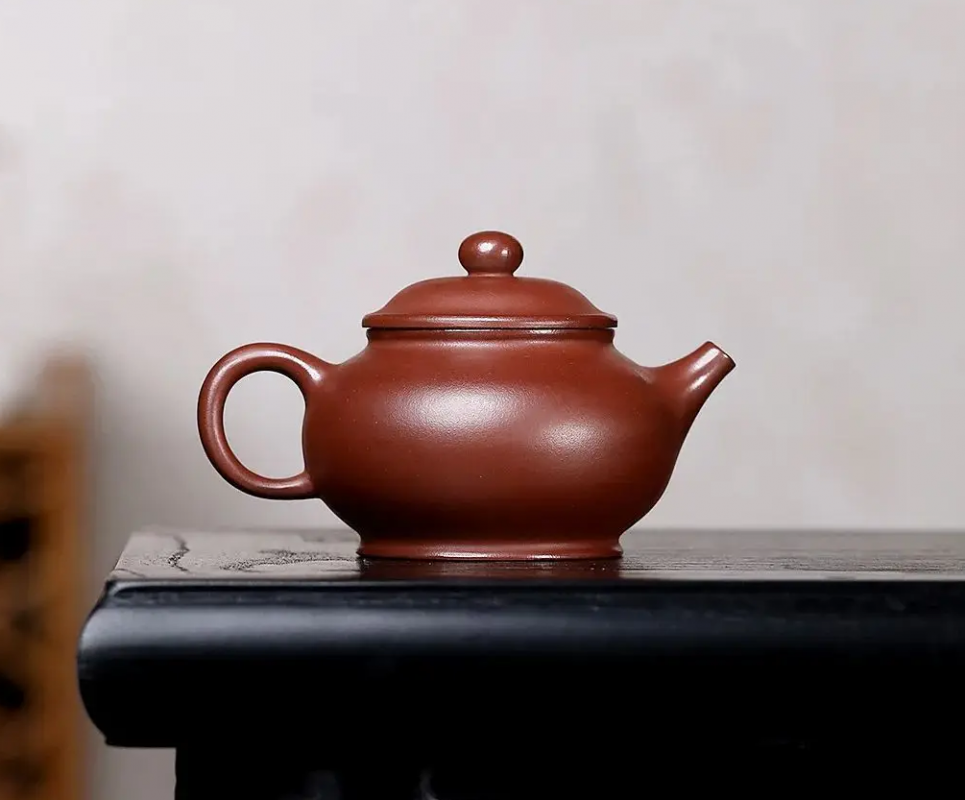
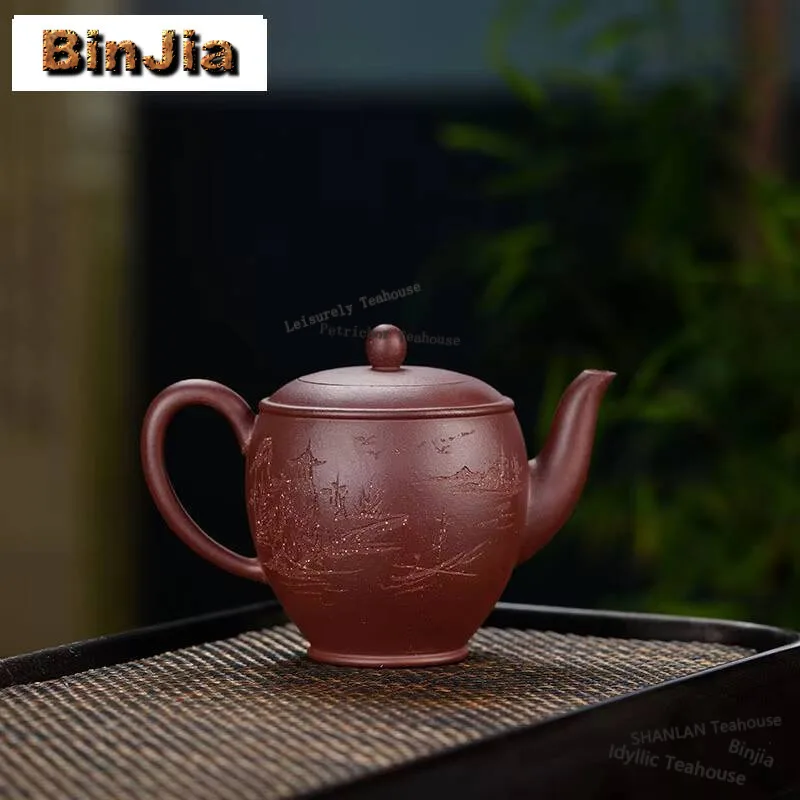
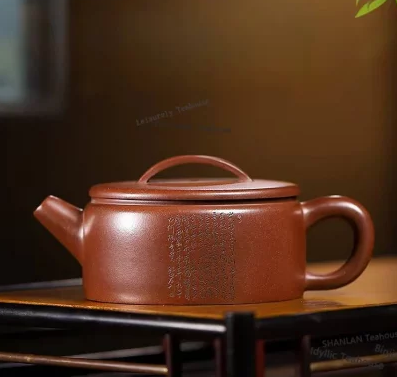
The Scholar’s Triangle Teapot—known as Shípiao in the Yixing tradition—has long been recognized as one of the most intellectually grounded and structurally refined forms in Chinese teaware. Its appeal does not rely on ornamentation or dramatic curves; instead, it emerges from proportion, balance, and a kind of structural honesty that reflects the values of the literati who first embraced it. This teapot reveals its character gradually, through repeated use, careful observation, and the slow accumulation of familiarity. For many tea practitioners, it represents a meeting point between functional intelligence and cultural depth, offering a brewing experience that feels both reliable and quietly refined.

I. Geometry with a Backbone

How a Triangular Silhouette Became a Symbol of Scholarly Integrity

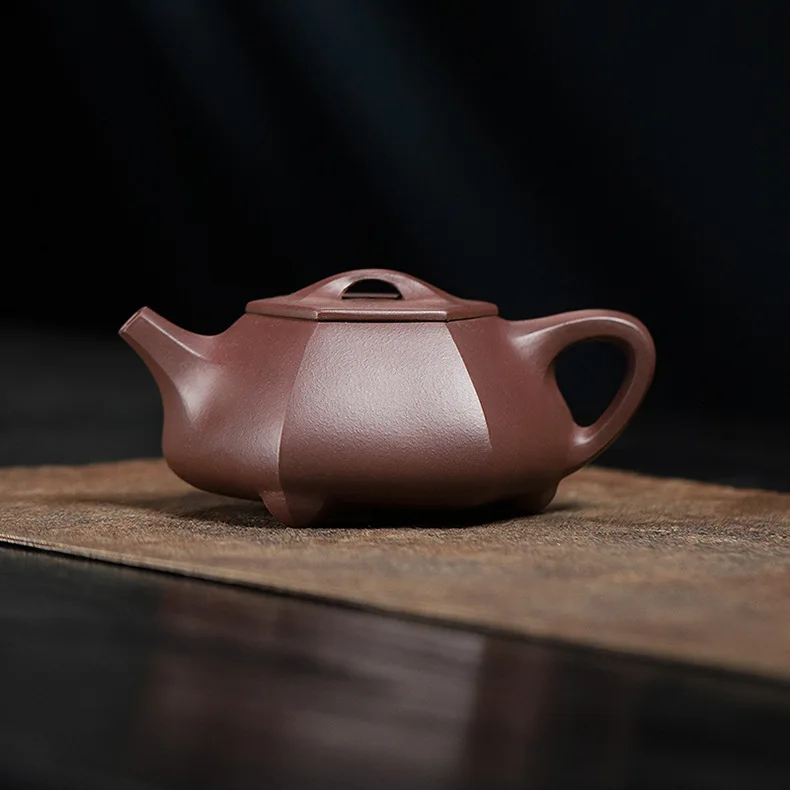
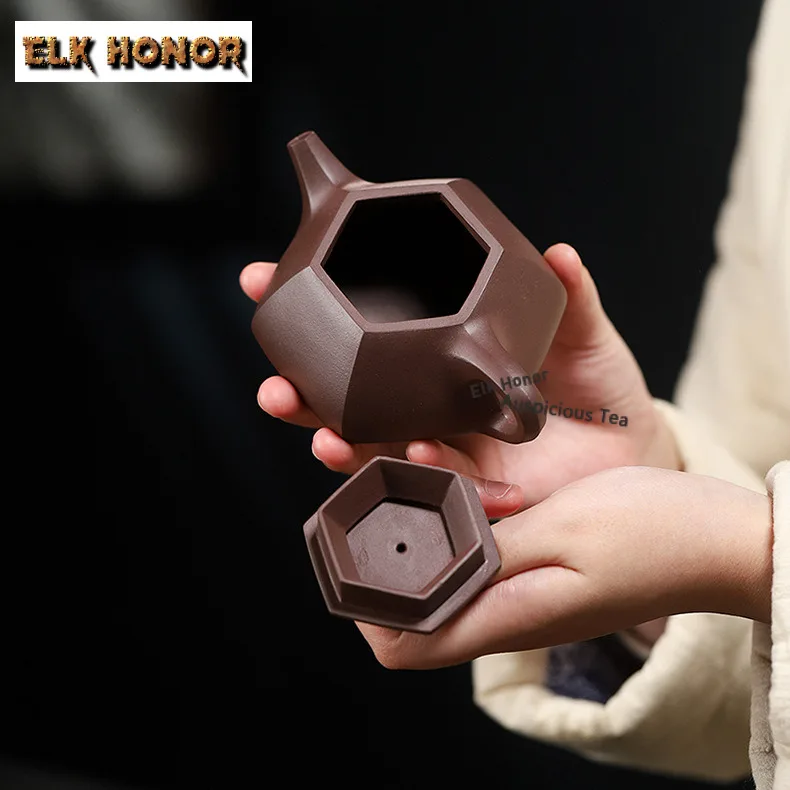
The triangular stance of the Scholar’s Triangle Teapot is rooted in centuries of Chinese architectural and artistic logic. In traditional timber construction, triangular bracing stabilized beams and prevented collapse under shifting weight. In calligraphy, triangular composition anchored the flow of strokes, giving characters a sense of groundedness and internal order. When this principle is applied to a teapot, the result is a vessel that feels steady in the hand and steady in spirit.

The body tapers gently toward the base, creating a low center of gravity that keeps the teapot stable during brewing. This stability is especially valuable when preparing teas that require multiple infusions, such as oolong or aged pu’er. The shoulder line is clean and unembellished, reflecting the literati preference for simplicity and clarity. It resembles the upright posture associated with classical scholars—a visual metaphor for discipline, sincerity, and intellectual rigor.

This shape also reflects a broader cultural value: the belief that beauty arises from proportion and restraint rather than excess. In the Ming dynasty, when literati culture flourished, scholars sought objects that embodied their ideals of moral cultivation. The Shípiao teapot, with its balanced geometry and understated presence, became a natural choice. Its form communicates a sense of order and purpose, making it especially appealing to those who appreciate objects that embody structure and intention.

II. Strength Tempered by Softness

The Human Touch Behind the Spout, Handle, and Curved Body

Although the Scholar’s Triangle Teapot is defined by its firm geometry, its details reveal a softer, more human-centered design philosophy. The spout curves with a natural flow that ensures a clean, controlled pour. This curvature is engineered to deliver a steady stream of tea without splashing or hesitation. The handle is shaped to fit comfortably in the hand, offering stability without stiffness. Its arc allows for a secure grip while maintaining a sense of ease and fluidity during pouring.

The body softens the triangular form into a vessel that feels warm and approachable. This interplay between structure and softness reflects the Yixing tradition’s emphasis on merging functional precision with emotional warmth. Yixing potters have long believed that a teapot should not only perform well but also feel right in the rhythm of daily use. The Shípiao teapot embodies this philosophy through its balanced proportions, ergonomic details, and tactile presence.

The clay itself deepens this sense of connection. Authentic Yixing clay has a porous structure that interacts subtly with tea. Over time, the teapot develops a sheen and a richer tone as it absorbs the oils from repeated brewing. This gradual transformation creates a sense of companionship between the user and the vessel. Many seasoned tea drinkers describe their Shípiao teapot as “maturing” alongside them, gaining depth and character through shared practice.

III. A Steady Presence on the Tea Table

Why This Teapot Brings Balance to the Brewing Experience

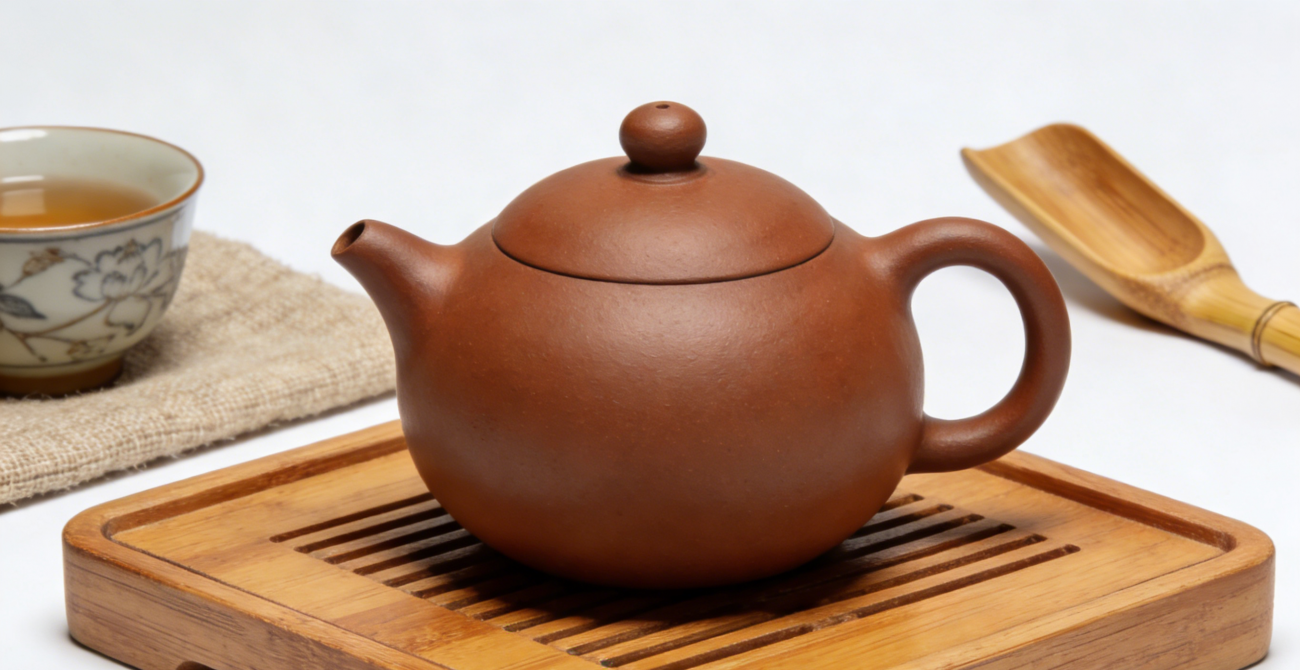
When placed on a tea table, the Scholar’s Triangle Teapot has a distinctive presence. It does not dominate the setting, yet it anchors the space with a quiet sense of order. Its geometry naturally draws the eye, but not in a way that distracts from the tea. Instead, it supports the atmosphere of the session. Tea practitioners often choose this shape when they want to create a calm, focused environment. Its stability encourages slower movements, more attentive brewing, and a more grounded state of mind.

The teapot’s performance reinforces this sense of calm. Its controlled pour, reliable heat retention, and balanced proportions make it suitable for a wide range of teas. Oolong benefits from its clarity, pu’er from its depth, and dark tea from its warmth. For beginners, it offers consistency; for experienced practitioners, it offers nuance. This versatility is part of why the shape has endured for centuries and continues to be produced by both traditional artisans and contemporary potters.

Beyond function, the Shípiao teapot carries emotional resonance. In traditional Chinese aesthetics, objects were often seen as reflections of personal character. A person who chose a Shípiao teapot was thought to appreciate sincerity, structure, and thoughtful restraint. Even today, many collectors feel that this shape resonates with individuals who value depth over decoration and substance over spectacle.

IV. A Shape That Reflects the Person Who Chooses It

Why the Scholar’s Triangle Often Resonates with Thoughtful Tea Drinkers

In traditional Chinese aesthetics, objects were often seen as reflections of personal character. The Scholar’s Triangle Teapot has long been associated with individuals who value sincerity, structure, and quiet confidence. Its form appeals to those who prefer depth over decoration and substance over spectacle. Many collectors describe this teapot as “honest”—a vessel that does not pretend to be more than it is, yet reveals more the longer one spends time with it.

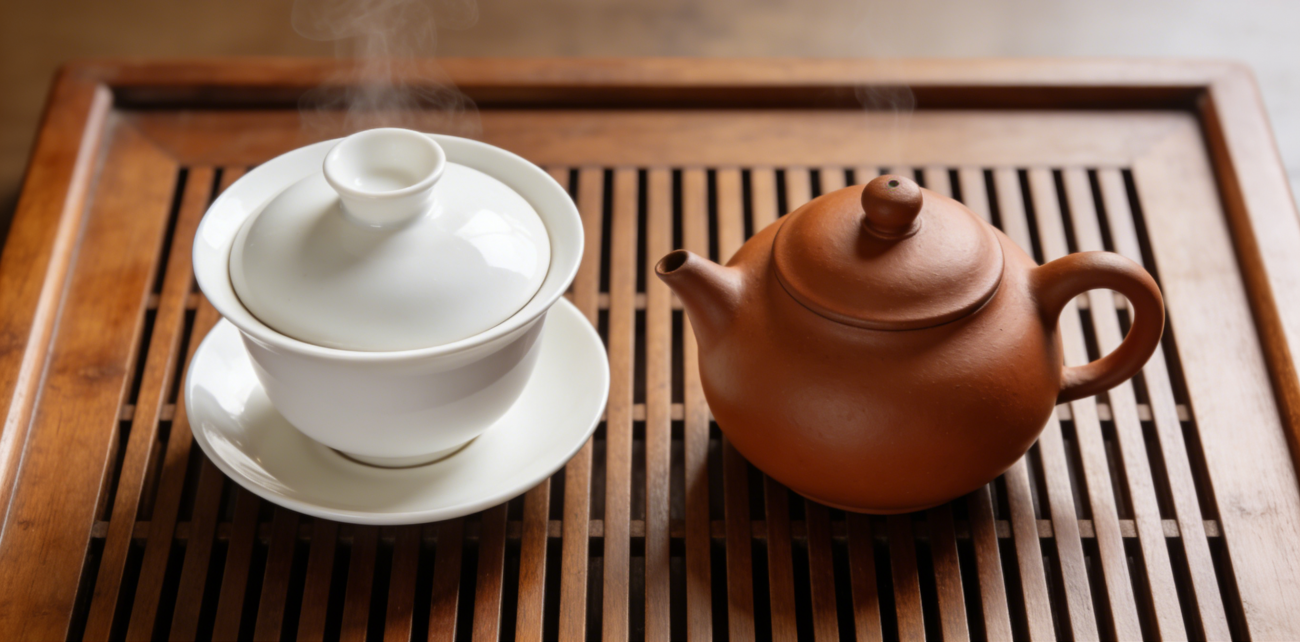
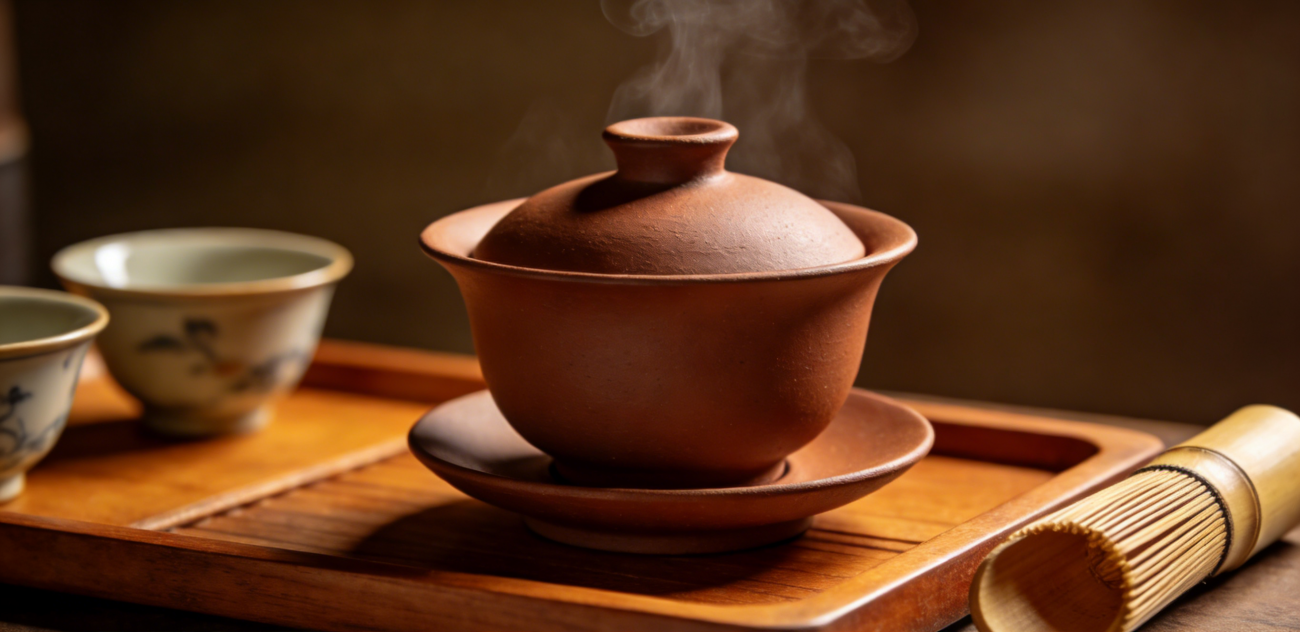
In modern life, where many people seek grounding rituals and meaningful objects, the Shípiao teapot offers a sense of continuity and calm. It becomes a familiar presence, something steady to return to amid the shifting pace of daily routines. Its durability and adaptability also make it suitable for modern lifestyles. It works well in minimalist homes, traditional tea rooms, and contemporary studios. Its form harmonizes with a wide range of teacups and tea trays, making it easy to integrate into different tea setups.

Ultimately, the Scholar’s Triangle Teapot endures because it represents a rare combination of qualities: structural intelligence, cultural depth, functional excellence, and emotional warmth.

Closing Reflections

A Classic That Endures Through Craft, Culture, and Daily Use

The enduring appeal of the Scholar’s Triangle Teapot lies in its ability to bridge past and present. It carries the intellectual spirit of the literati, the technical mastery of Yixing potters, and the emotional resonance of an object that becomes more personal with each use. Whether used in a traditional gongfu tea ceremony or a quiet morning ritual, it supports a way of living that values attention, balance, and authenticity. For many tea drinkers, this teapot becomes more than a tool—it becomes a companion that shapes the rhythm of their tea practice and brings a sense of steadiness to their space.

Crafted to Delight, Chosen to Feel Right

Curated Pieces, Crafted Purpose

Explore the selections below—where craftsmanship meets desire, and your tea table finds its fire.

-33%
Select options This product has multiple variants. The options may be chosen on the product page

「侘寂壶 · Kurohō」 — 145ml Handmade Coarse Pottery Teapot (Retro Japanese Style · Rustic Clay Body · Gongfu Infuser Pot)

Original price was: $89.99.Current price is: $59.99.
-30%
Select options This product has multiple variants. The options may be chosen on the product page

「创意梨壶 · Hearthdrop」 — 200ml Handmade Yixing Purple Clay Teapot (Raw Ore Zisha · Pear-Shaped Form · Famous Artist Work)

Original price was: $99.99.Current price is: $69.99.
-25%
Select options This product has multiple variants. The options may be chosen on the product page

「刻韵壶 · Carved Harmony」 — 210ml Handmade Yixing Teapot (Raw Ore Zhu Ni Clay · Traditional Carved Form · Built-in Strainer)

Original price was: $119.99.Current price is: $89.99.
-30%
Select options This product has multiple variants. The options may be chosen on the product page

「名家梨壶 · Masterseed」 — 85ml Handmade Yixing Purple Clay Teapot (Raw Ore Zisha · Pear-Shaped Form · Famous Artist Work)

Original price was: $99.99.Current price is: $69.99.
-27%
Select options This product has multiple variants. The options may be chosen on the product page

「呼吸壶 · Breathing Vessel」 — 160ml Master-Crafted Yixing Teapot (Zhu Ni Clay · Dual-Pore Structure · Ming Dynasty Heritage)

Original price was: $109.99.Current price is: $79.99.
-11%
Select options This product has multiple variants. The options may be chosen on the product page

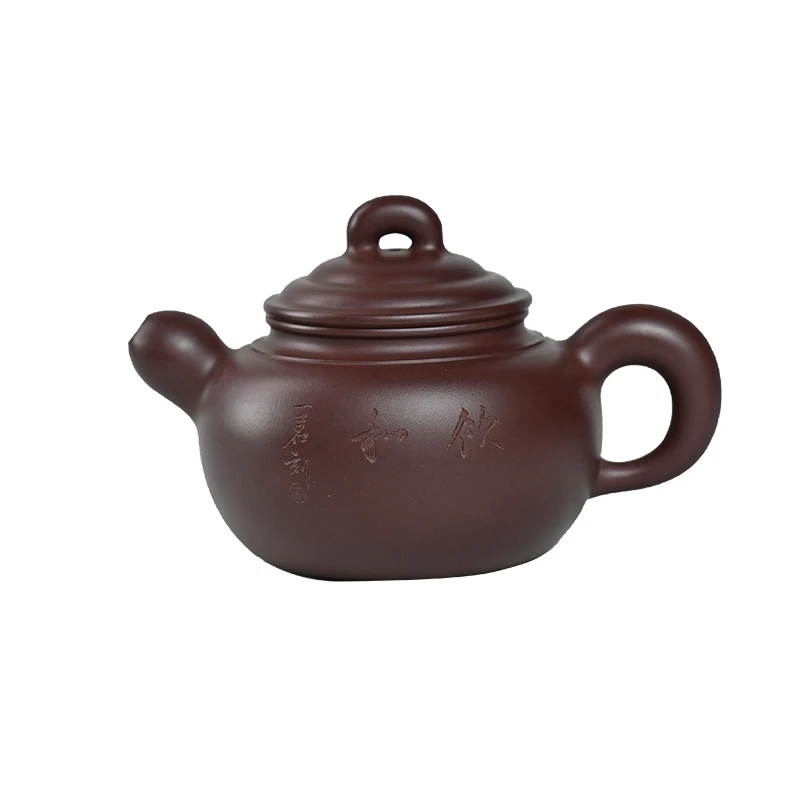
「和饮壶 · Harmony」 — 300ml Master Handmade Yixing Purple Clay Teapot (Raw Ore Zhu Ni · Classic Form · Calligraphy Engraving)

Original price was: $639.99.Current price is: $569.99.
-19%
Select options This product has multiple variants. The options may be chosen on the product page

「大刻壶 · Grand Script」 — 540ml Handmade Yixing Purple Clay Teapot (Raw Ore Purple Mud · Large Capacity · Calligraphy Engraving)

Original price was: $156.87.Current price is: $126.87.
-20%
Select options This product has multiple variants. The options may be chosen on the product page

「大口壶 · Inkroot」 — 180ml Handmade Yixing Purple Clay Teapot (Raw Ore Zisha · Large-Caliber Form · Built-in Filter)

Original price was: $149.99.Current price is: $119.99.

Leave a Reply

Your email address will not be published. Required fields are marked *