
Gaiwan Ritual

Silver Gaiwan: Temperature Mastery & Aroma Focus

Silver Gaiwan

A Vessel Defined by Precision, Clarity, and the Sensory Discipline of Modern Tea Craft

The silver gaiwan—crafted from pure or high‑grade silver—occupies a unique place in contemporary tea practice. Unlike porcelain or clay vessels that soften, warm, or interpret the leaf, the silver gaiwan is defined by its immediacy. It responds to heat with remarkable speed, amplifies aroma with striking clarity, and reveals the structure of a tea with an honesty that can feel almost intimate. Its appeal is not rooted in ornamentation or nostalgia; instead, it lies in its ability to illuminate the tea itself. For many practitioners, the silver gaiwan represents a meeting point between sensory precision and modern refinement, offering a brewing experience that feels both exacting and quietly exhilarating. It is a vessel that rewards attentiveness, curiosity, and a willingness to meet tea without filters—qualities that resonate deeply with today’s evolving tea culture.

I. A Material That Speaks in Pure Lines

Why Silver’s Conductivity Became a Tool for Sensory Clarity

The defining characteristic of the silver gaiwan is its material. Silver, long valued in Chinese craftsmanship for its purity and responsiveness, behaves differently from ceramic or clay. In metallurgy, silver is known for its exceptional thermal conductivity—heat moves through it almost instantly, creating a brewing environment that is both dynamic and precise. When this property is applied to a gaiwan, the result is a vessel that reacts to temperature shifts with remarkable agility.

This responsiveness is especially meaningful for teas that rely on fragrance and delicacy. Green tea, high‑mountain oolong, and young sheng pu’er all benefit from a brewer that can adjust quickly, preventing bitterness and preserving brightness. The silver gaiwan’s thin walls allow heat to rise and dissipate with ease, giving the brewer fine control over extraction. Its interior surface, smooth and non‑porous, reflects aroma upward, creating a concentrated dome of fragrance beneath the lid. This makes the act of lifting the lid—an ordinary gesture in tea practice—feel unexpectedly vivid.

The material also carries cultural resonance. In imperial China, silver vessels were associated with clarity, hygiene, and refinement. Scholars admired them for their purity; artisans admired them for their responsiveness. Today, the silver gaiwan continues this lineage, offering a modern interpretation of an ancient material. Its form communicates a sense of precision and intention, making it especially appealing to those who appreciate objects that reveal rather than embellish.

II. Precision Tempered by Sensitivity

The Human Experience Behind Heat, Aroma, and Movement

Although the silver gaiwan is often described in technical terms, its use is deeply sensory. The vessel warms quickly in the hand, encouraging the brewer to move with awareness. The lid, light and responsive, tilts with subtle shifts of the fingers, allowing fine adjustments to aroma release and temperature. The pour is clean and decisive, shaped by the thinness of the walls and the smoothness of the rim.

This sensitivity creates a brewing experience that feels both disciplined and intimate. The gaiwan does not hide mistakes; it reveals them. A few seconds too long, a few degrees too hot, and the tea will show its displeasure. But when handled with care, the silver gaiwan rewards the brewer with clarity—aroma that rises sharply, flavor that feels transparent, and texture that remains crisp and articulate.

Over time, many practitioners develop a personal relationship with their silver gaiwan. Unlike clay, silver does not absorb oils or develop patina through tea alone, but it does change subtly with touch and use. The surface softens, the sheen deepens, and the vessel begins to reflect the habits of its owner. This quiet evolution creates a sense of companionship, a reminder that precision and warmth need not be opposites.


III. A Quietly Modern Presence on the Tea Table

How the Silver Gaiwan Shapes Atmosphere and Attention

Placed on a tea table, the silver gaiwan introduces a distinct visual and emotional tone. Its metallic sheen catches light in a way that feels clean and contemporary, contrasting with the organic textures of wood, bamboo, and clay. It does not dominate the setting, yet it subtly shifts the atmosphere toward focus and clarity.

Tea practitioners often choose the silver gaiwan when they want to understand a tea more deeply. Its neutrality makes it ideal for tasting sessions, comparisons, or moments when the goal is to listen closely to what the leaf has to say. The vessel encourages a slower, more attentive rhythm—not because it demands ceremony, but because its responsiveness invites precision.

The silver gaiwan also carries emotional resonance. In a world where many objects are designed to soften or comfort, the silver gaiwan offers something different: a sense of honesty. It reflects the tea as it is, the water as it is, and the brewer as they are in that moment. This transparency can feel grounding, even refreshing. It appeals to those who value clarity over embellishment and presence over performance.


IV. A Vessel for Those Who Seek Clarity

Why the Silver Gaiwan Resonates with Curious and Attentive Tea Drinkers

The silver gaiwan often finds its way into the hands of tea drinkers who are drawn to exploration. It appeals to individuals who want to understand the nuances of a tea, who enjoy adjusting temperature and timing, and who appreciate the interplay between precision and intuition. Its form speaks to those who prefer tools that reveal rather than interpret.

In modern life, where many people seek grounding rituals and sensory experiences, the silver gaiwan offers a way to reconnect with attention. Its responsiveness encourages presence; its clarity encourages curiosity. It works beautifully in minimalist spaces, contemporary studios, and tasting rooms where the focus is on the leaf itself. Its compatibility with a wide range of teas makes it a versatile companion for both daily practice and special sessions.

Ultimately, the silver gaiwan endures because it represents a rare combination of qualities: material intelligence, sensory precision, functional elegance, and emotional honesty. It is a vessel that rewards attentiveness, that grows more meaningful with use, and that quietly supports the evolving relationship between brewer and tea.

Closing Reflections

A Modern Classic Rooted in Precision, Culture, and Sensory Presence

The enduring appeal of the silver gaiwan lies in its ability to bring clarity to the tea experience. It carries the legacy of silver craftsmanship, the technical refinement of modern tea practice, and the emotional resonance of a vessel that reveals rather than conceals. Whether used for a focused tasting session or a quiet morning infusion, it supports a way of brewing that values attention, balance, and authenticity. For many tea drinkers, the silver gaiwan becomes more than a tool—it becomes a companion that sharpens the senses, deepens understanding, and brings a sense of presence to the tea table.

Crafted to Delight, Chosen to Feel Right

Curated Pieces, Crafted Purpose

Explore the selections below—where craftsmanship meets desire, and your tea table finds its fire.

-33%
Select options This product has multiple variants. The options may be chosen on the product page

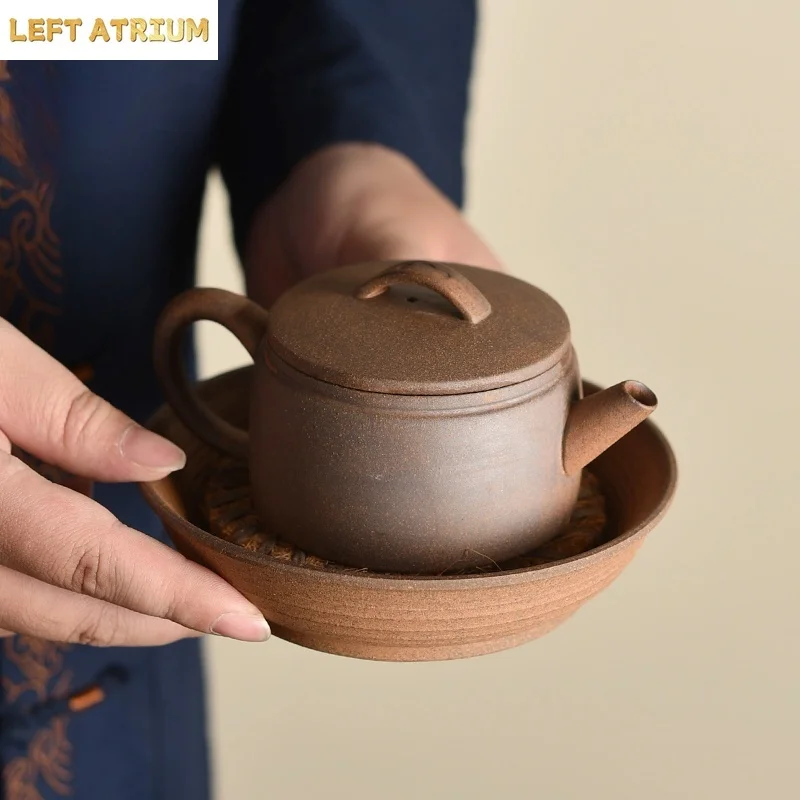
「侘寂壶 · Kurohō」 — 145ml Handmade Coarse Pottery Teapot (Retro Japanese Style · Rustic Clay Body · Gongfu Infuser Pot)

Original price was: $89.99.Current price is: $59.99.
-30%
Select options This product has multiple variants. The options may be chosen on the product page

「创意梨壶 · Hearthdrop」 — 200ml Handmade Yixing Purple Clay Teapot (Raw Ore Zisha · Pear-Shaped Form · Famous Artist Work)

Original price was: $99.99.Current price is: $69.99.
-25%
Select options This product has multiple variants. The options may be chosen on the product page

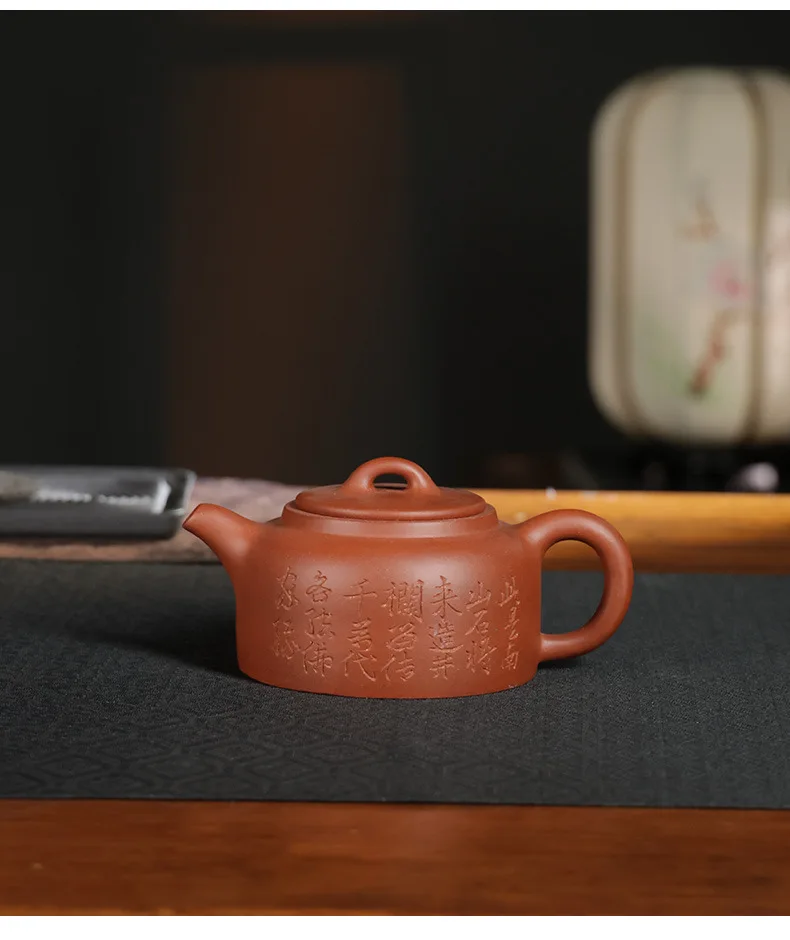
「刻韵壶 · Carved Harmony」 — 210ml Handmade Yixing Teapot (Raw Ore Zhu Ni Clay · Traditional Carved Form · Built-in Strainer)

Original price was: $119.99.Current price is: $89.99.
-30%
Select options This product has multiple variants. The options may be chosen on the product page

「名家梨壶 · Masterseed」 — 85ml Handmade Yixing Purple Clay Teapot (Raw Ore Zisha · Pear-Shaped Form · Famous Artist Work)

Original price was: $99.99.Current price is: $69.99.
-27%
Select options This product has multiple variants. The options may be chosen on the product page

「呼吸壶 · Breathing Vessel」 — 160ml Master-Crafted Yixing Teapot (Zhu Ni Clay · Dual-Pore Structure · Ming Dynasty Heritage)

Original price was: $109.99.Current price is: $79.99.
-11%
Select options This product has multiple variants. The options may be chosen on the product page

「和饮壶 · Harmony」 — 300ml Master Handmade Yixing Purple Clay Teapot (Raw Ore Zhu Ni · Classic Form · Calligraphy Engraving)

Original price was: $639.99.Current price is: $569.99.
-19%
Select options This product has multiple variants. The options may be chosen on the product page

「大刻壶 · Grand Script」 — 540ml Handmade Yixing Purple Clay Teapot (Raw Ore Purple Mud · Large Capacity · Calligraphy Engraving)

Original price was: $156.87.Current price is: $126.87.
-20%
Select options This product has multiple variants. The options may be chosen on the product page

「大口壶 · Inkroot」 — 180ml Handmade Yixing Purple Clay Teapot (Raw Ore Zisha · Large-Caliber Form · Built-in Filter)

Original price was: $149.99.Current price is: $119.99.

Leave a Reply

Your email address will not be published. Required fields are marked *