
Blog
Tea Needle, Tweezer & Scoop: Practical Skills
Tea Needle, Tweezer & Scoop
Practical Skills — Precision, Grace, and the Quiet Discipline of Gongfu Tea
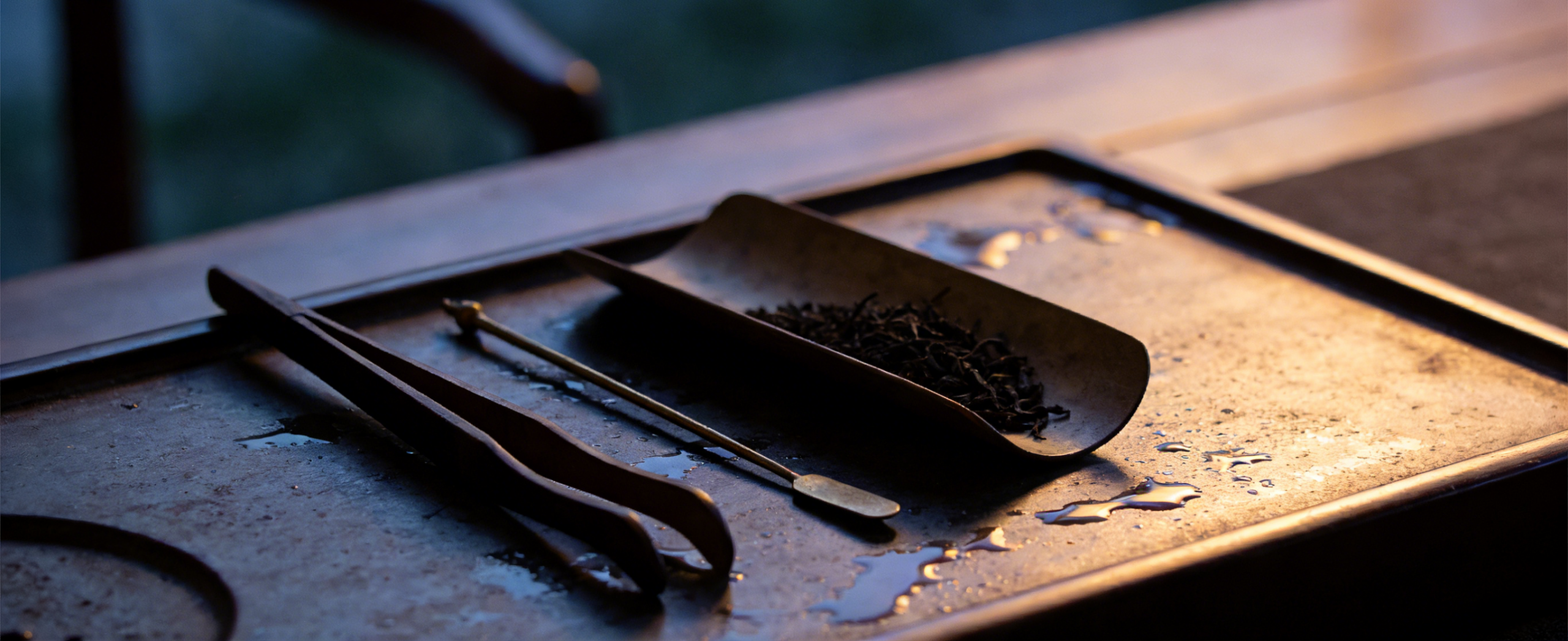
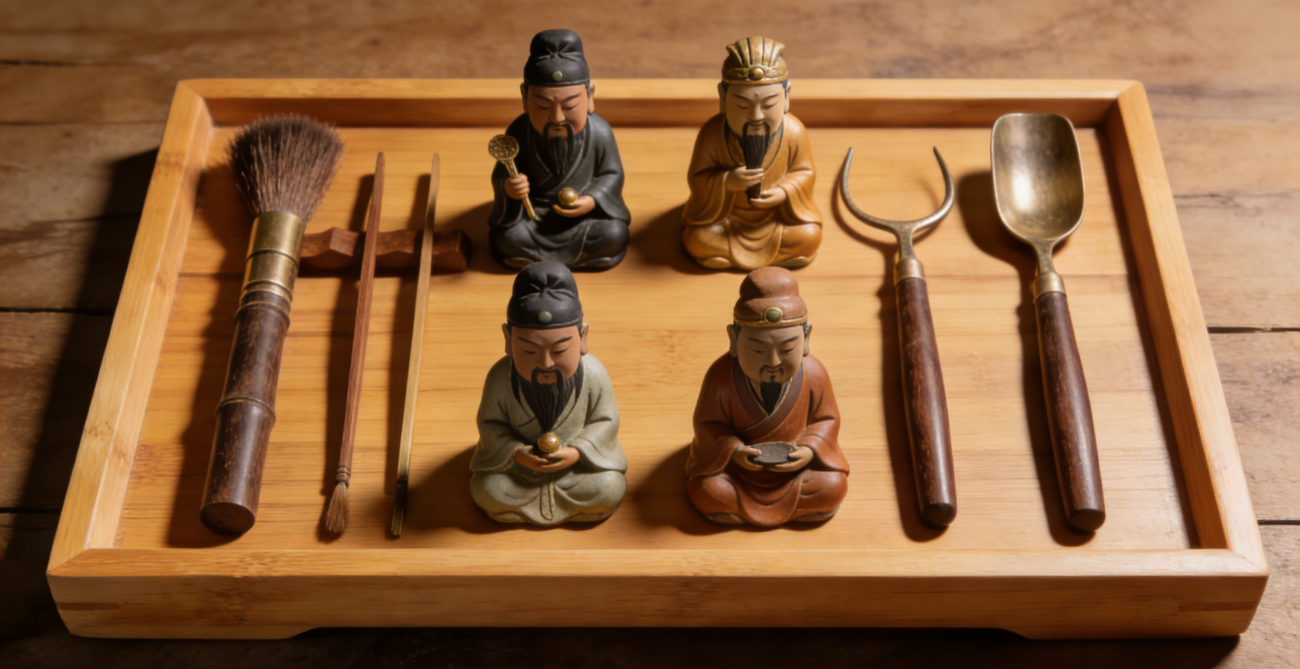
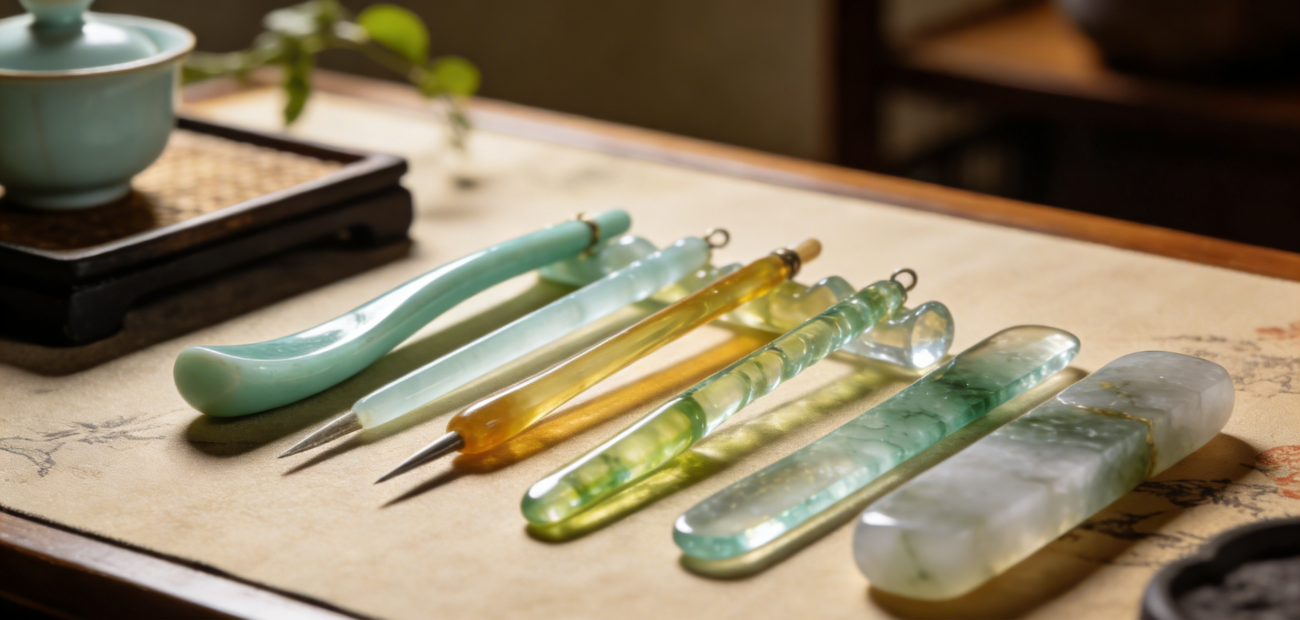
Before the first infusion is poured, before fragrance rises from the pot, there is a moment when the brewer’s hands hover above the tea table, sensing the tools that will guide the ritual. Among them, three stand out not for their beauty, but for their precision: the tea needle, the tea tweezer, and the tea scoop. They are slender, understated, almost ascetic in their simplicity—yet they shape the entire choreography of Gongfu tea. These tools are the instruments of clarity, hygiene, and control, the subtle extensions of the brewer’s intention.
To work with them is to enter a dialogue between hand and vessel, between discipline and softness, between the visible and the invisible. They remind us that Gongfu tea is not merely about flavor—it is about the refinement of movement, the cultivation of presence, and the quiet mastery of small gestures. In their delicate forms, these tools carry a philosophy: that precision is a form of respect, that cleanliness is a form of beauty, and that the smallest actions can elevate the entire ritual into an art.
I. Origins of the Tools — From Necessity to Ritual Discipline
The tea needle, tweezer, and scoop emerged naturally from the evolution of Gongfu tea. As teapots grew smaller and brewing became more intricate, practitioners needed tools capable of guiding leaves into narrow mouths, clearing spouts, and handling cups without direct contact. What began as simple implements of convenience gradually took on cultural meaning.
In the scholar’s world, tools were never merely tools—they were reflections of character. The brush revealed the calligrapher’s temperament; the inkstone revealed his patience. In the same way, these tea tools became reflections of the brewer’s discipline. Their slender forms echoed the elegance of bamboo, the restraint of literati aesthetics, and the Confucian belief that order and cleanliness are foundations of virtue. Over time, they became essential companions of the tea table, shaping not only the brewing process but the brewer’s state of mind.
II. The Scoop — Guiding Leaves with Intention and Respect
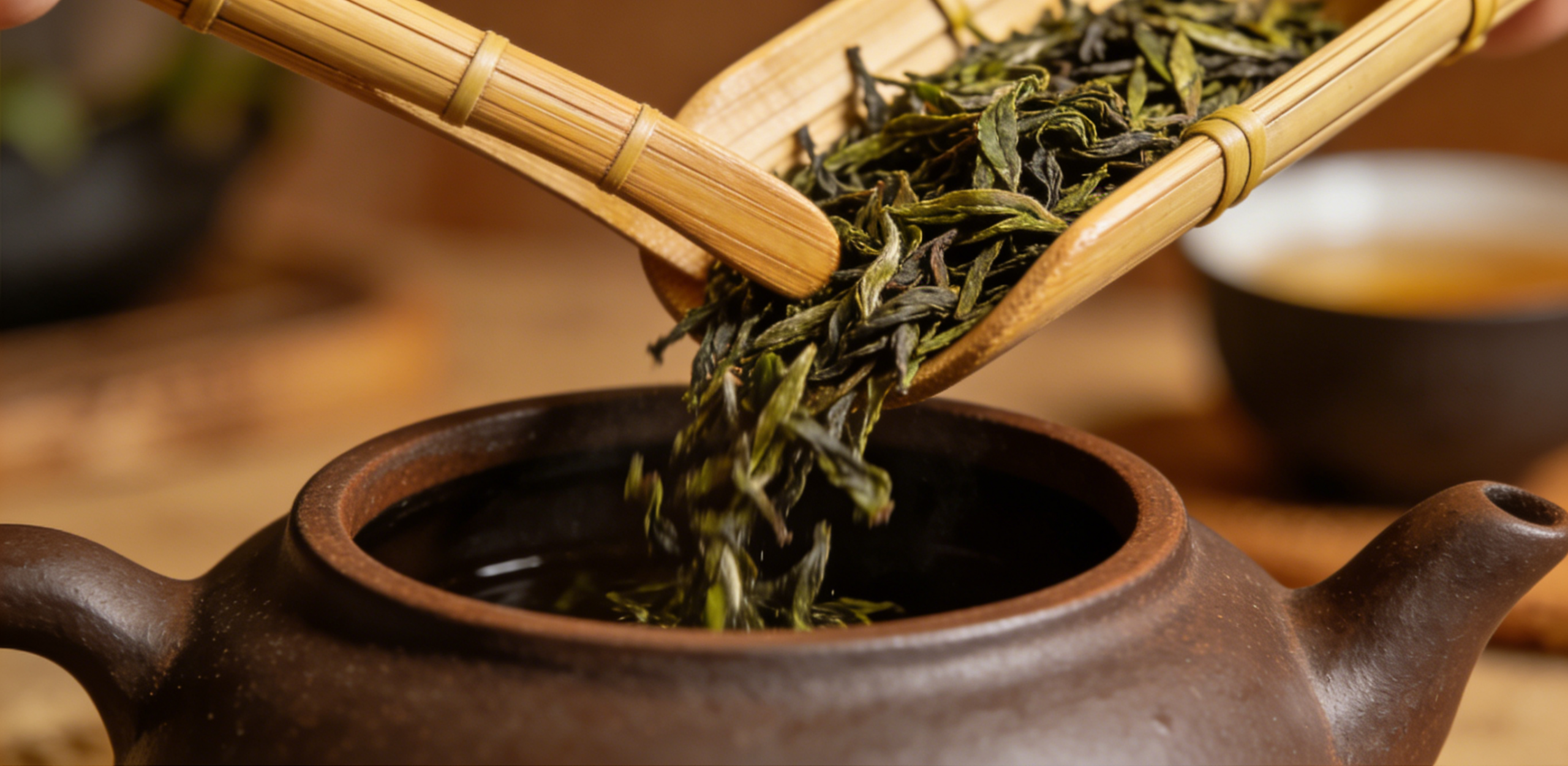
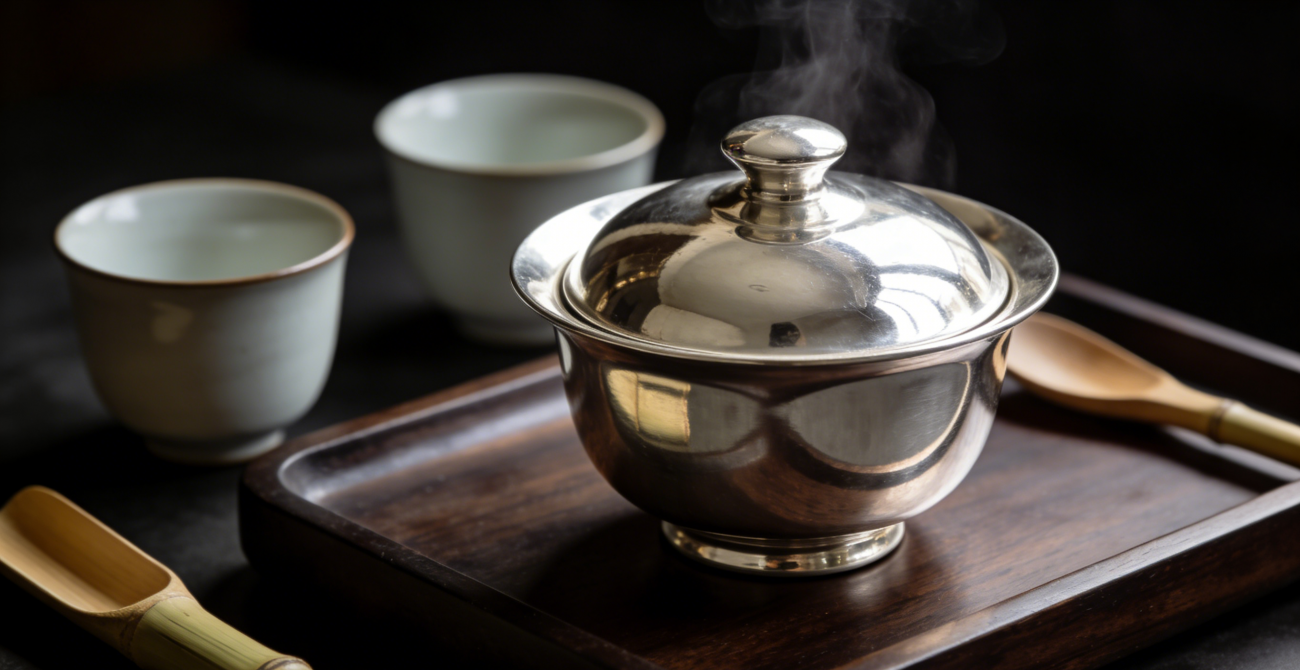
The tea scoop is the first tool to touch the leaves, and in that simple gesture lies a world of meaning. When the scoop enters the tea jar, it does so gently, as though greeting an old friend. It lifts the leaves without crushing them, guiding them into the pot with a movement that feels both deliberate and tender. This act is more than functional—it is symbolic. It marks the beginning of the session, the moment when leaf meets vessel, when intention becomes action.
A skilled brewer uses the scoop not with haste, but with presence. The sound of leaves sliding across bamboo or wood becomes part of the atmosphere, a soft whisper that signals the opening of the ritual. The scoop teaches us that beginnings matter—that the way we start something shapes everything that follows. It reminds us that respect for tea begins long before water touches leaf.
III. The Tweezer — Cleanliness, Composure, and the Art of Handling Heat
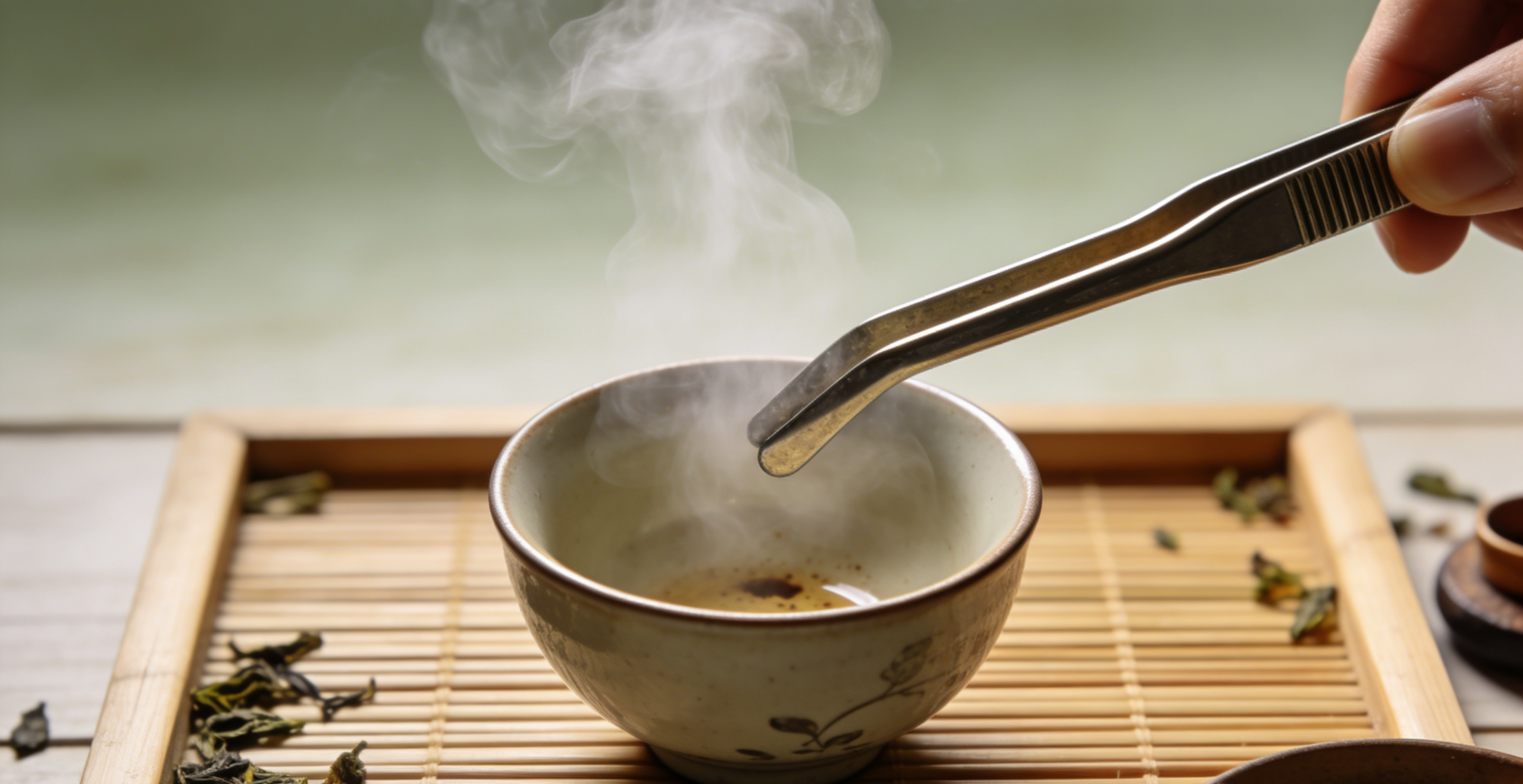
The tea tweezer is the guardian of hygiene and composure. In Gongfu tea, cups are often rinsed with boiling water, and the tweezer allows the brewer to handle them without burning the fingers or disrupting the flow of the session. But beyond practicality, the tweezer carries a deeper symbolism: it represents restraint. It teaches the brewer to move with calm precision, to avoid unnecessary contact, to maintain a sense of purity in both gesture and intention.
When the tweezer lifts a cup, the movement is quiet, almost ceremonial. It is a reminder that cleanliness is not merely physical—it is emotional. It is the clarity of mind that arises when the brewer moves with care, when each gesture is free of haste or distraction. The tweezer becomes a tool of mindfulness, guiding the brewer toward a state of centeredness.
IV. The Needle — Clearing the Path, Restoring Flow, and Cultivating Inner Clarity
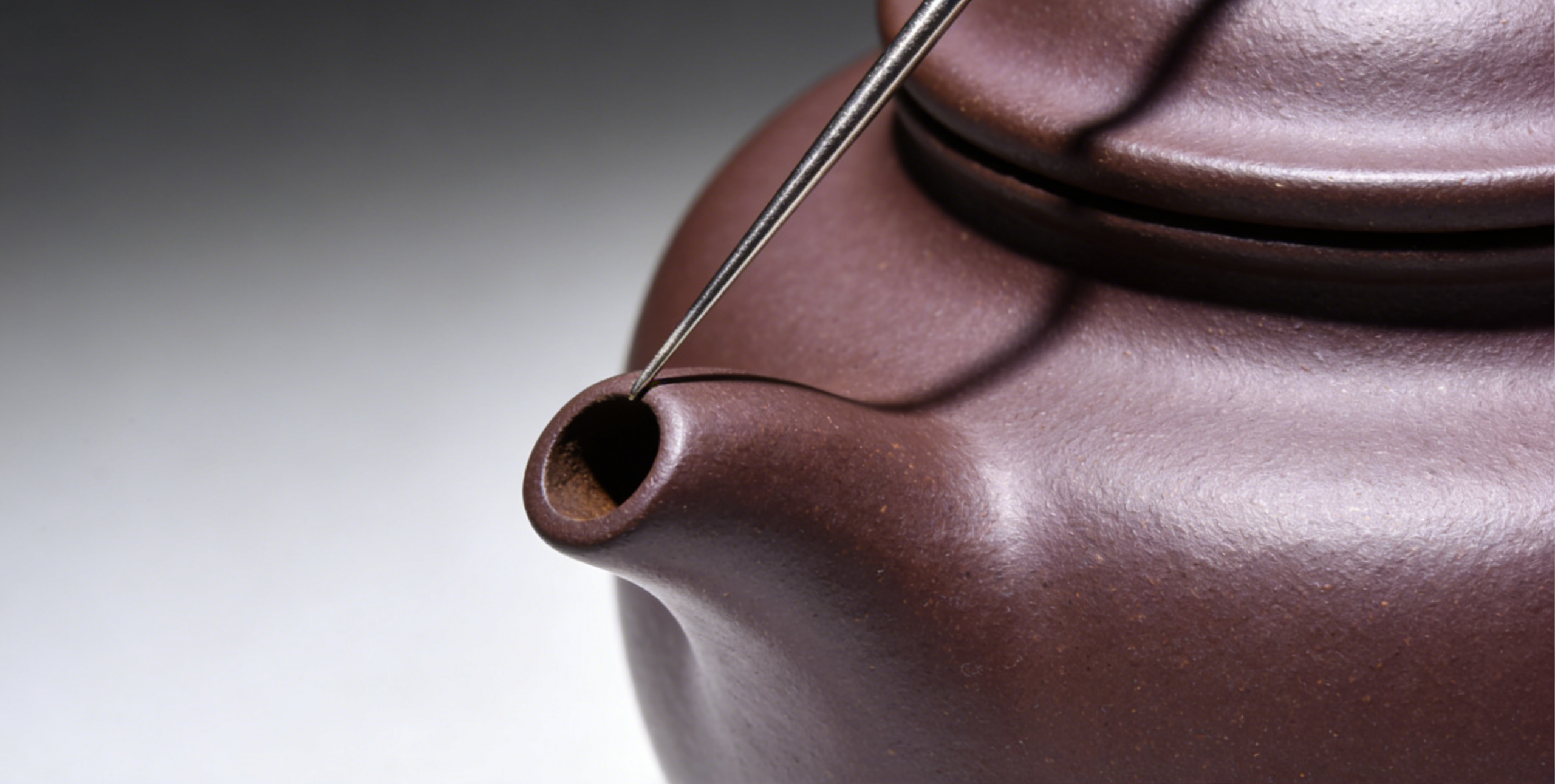
The tea needle is perhaps the most symbolic of the three tools. Its purpose is simple: to clear the teapot spout when leaves block the flow. Yet in this small act lies a profound metaphor. The needle restores movement where there is obstruction, clarity where there is stagnation, flow where there is resistance. It is the tool of renewal, the instrument that ensures the session continues with grace.
Using the needle requires delicacy. Too much force can damage the pot; too little will not clear the path. The brewer must find the balance point—the gentle firmness that resolves the blockage without disturbing the vessel. This balance mirrors the inner work of tea: the clearing of mental clutter, the softening of tension, the restoration of flow in one’s own heart. The needle teaches that clarity is not achieved through force, but through steady, attentive presence.
Closing Reflections — Tools as Teachers, and the Art of Moving Through Life with Grace
When the tea session ends and the tools are returned to their place, their presence lingers like the final warmth of a cup held between the palms. The scoop, the tweezer, and the needle may seem small, but they shape the entire ritual. They remind us that mastery is built from the refinement of small gestures, that beauty arises from precision, and that the heart of Gongfu tea lies not in complexity but in clarity.
These tools are more than implements—they are teachers. They show us how to begin with intention, how to handle heat with composure, how to clear blockages with patience, and how to move through each moment with grace. They reveal that the art of tea is the art of living: a practice of attention, respect, and quiet discipline. And as we return them to the tea tray, we are reminded that the true skill of Gongfu tea is not in the hands alone, but in the heart that guides them.
Curated Pieces, Crafted Purpose
Explore the selections below—where craftsmanship meets desire, and your tea table finds its fire.
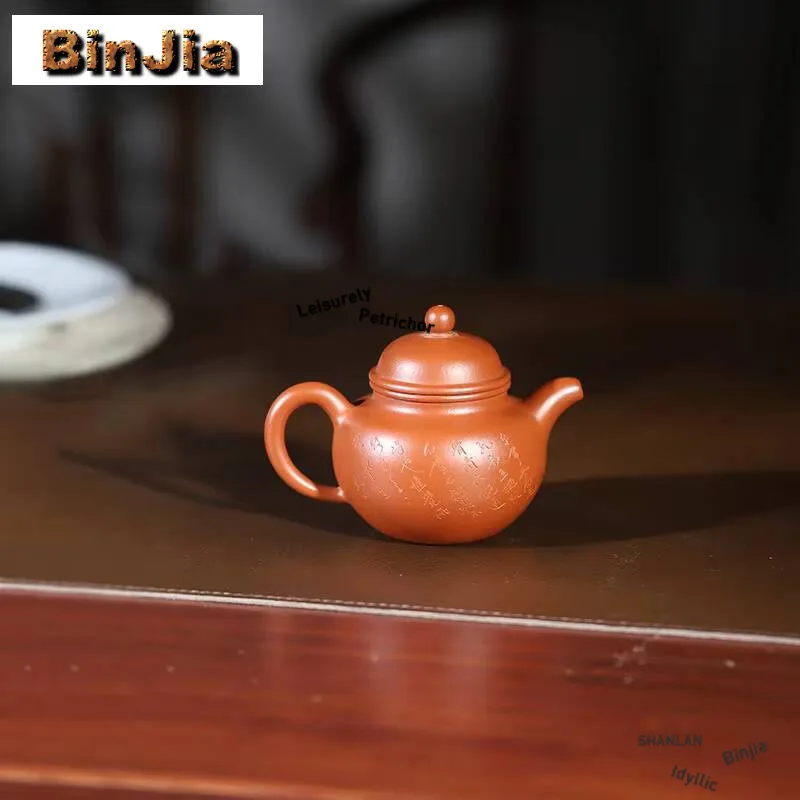
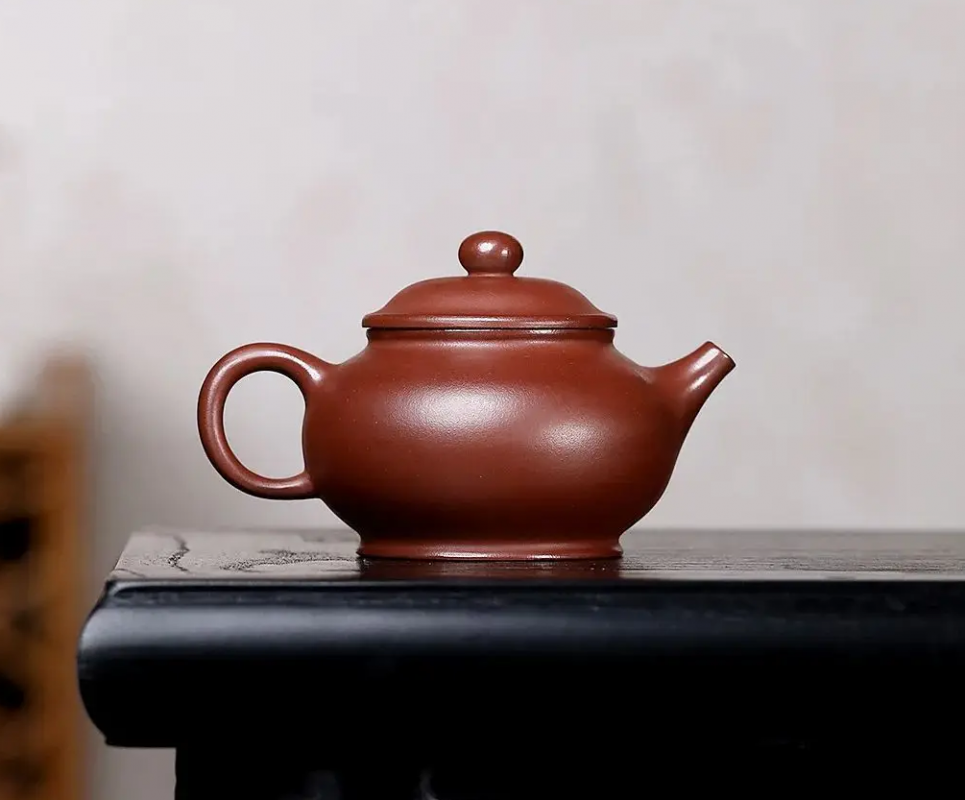
「井栏花鸟 · Well Fence Harmony」 — 130ml Boutique Handmade Yixing Purple Clay Teapot | Well Fence Form with Flowers & Birds Engraving · Raw Ore Red Downhill Mud · Zisha Gongfu Gift Edition
「井栏龙韵 · Well Fence Harmony」 — 240ml Handmade Yixing Purple Clay Teapot | Well Fence Form · Raw Ore Red Leather Dragon Mud · Zisha Gongfu Tea Set
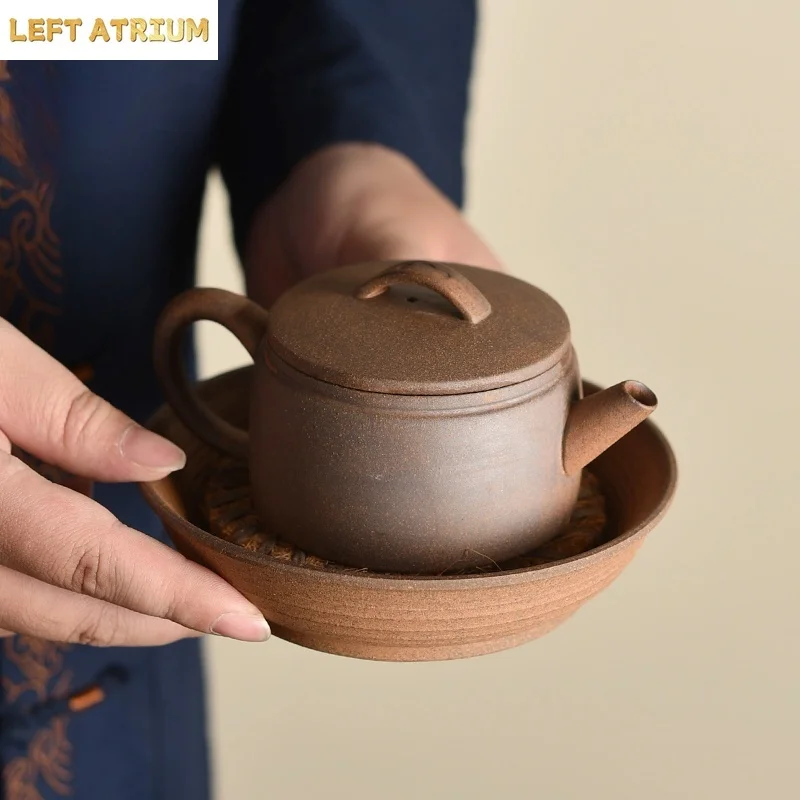
「侘寂壶 · Kurohō」 — 145ml Handmade Coarse Pottery Teapot (Retro Japanese Style · Rustic Clay Body · Gongfu Infuser Pot)
「供春壶 · Tribute to the Roots」 — 140ml Handmade Yixing Purple Clay Teapot (Gong Chun Style · Raw Ore Zisha · Mesh Filter · Folk Artisan Work)
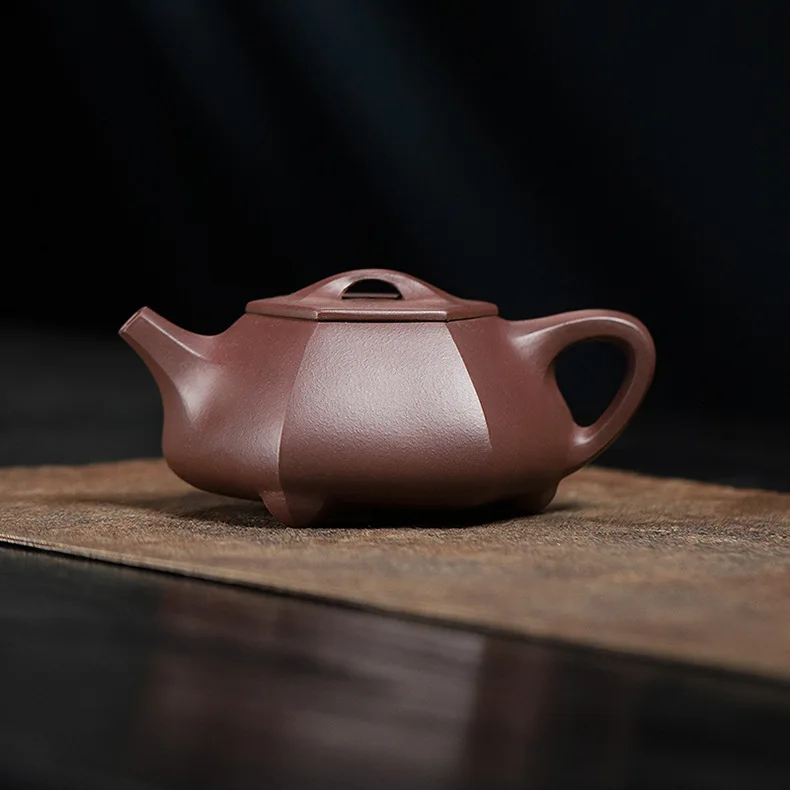
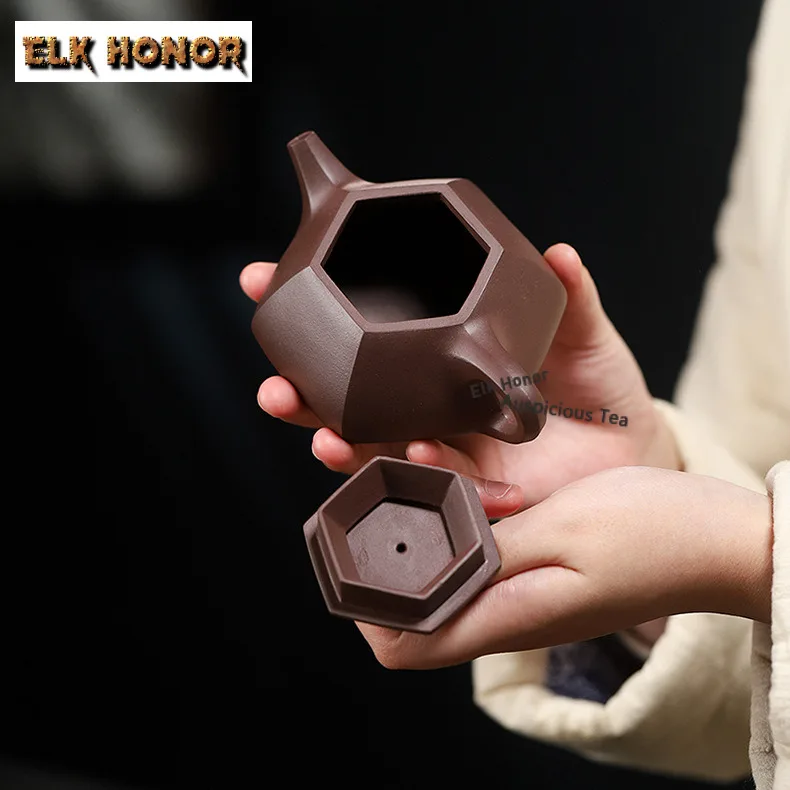
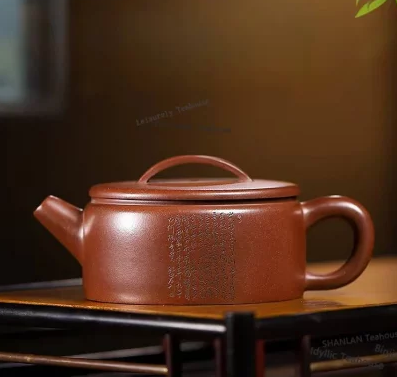
「六方石瓢 · HexaScoop」 — 200ml Handmade Yixing Purple Clay Teapot | Hexagonal Stone Scoop Form · Raw Ore Zisha · Vintage Gongfu Teaware Gift Edition
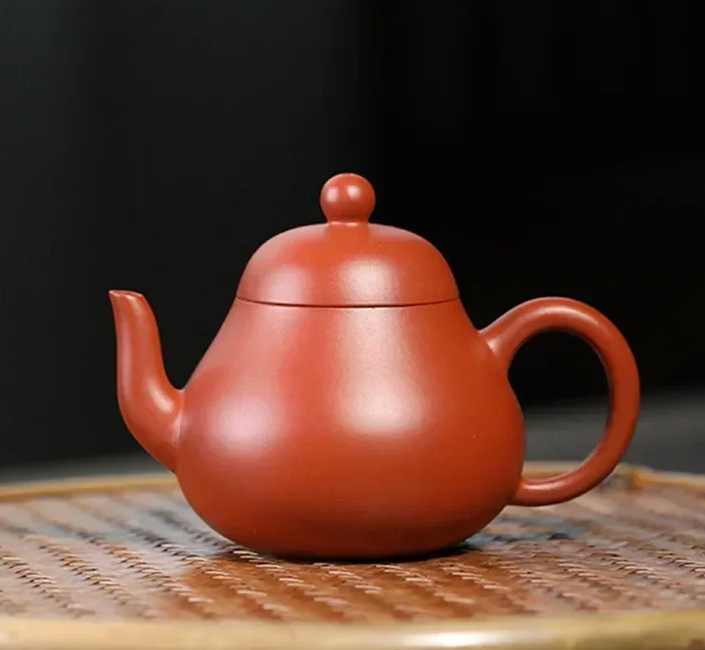
「创意梨壶 · Hearthdrop」 — 200ml Handmade Yixing Purple Clay Teapot (Raw Ore Zisha · Pear-Shaped Form · Famous Artist Work)
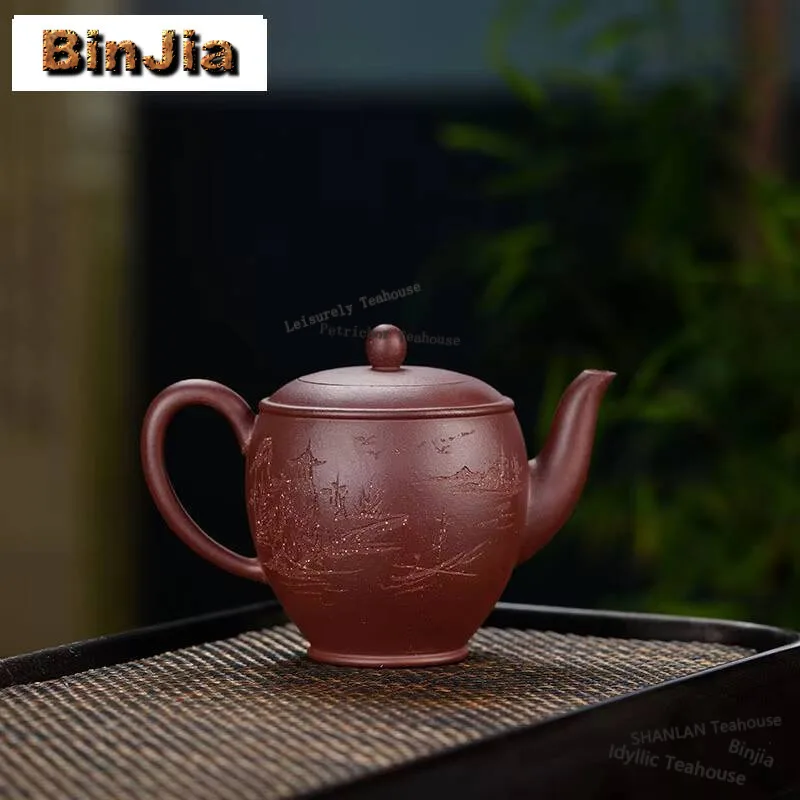
「刻韵壶 · Carved Harmony」 — 210ml Handmade Yixing Teapot (Raw Ore Zhu Ni Clay · Traditional Carved Form · Built-in Strainer)
「名家梨壶 · Masterseed」 — 85ml Handmade Yixing Purple Clay Teapot (Raw Ore Zisha · Pear-Shaped Form · Famous Artist Work)
「呼吸壶 · Breathing Vessel」 — 160ml Master-Crafted Yixing Teapot (Zhu Ni Clay · Dual-Pore Structure · Ming Dynasty Heritage)
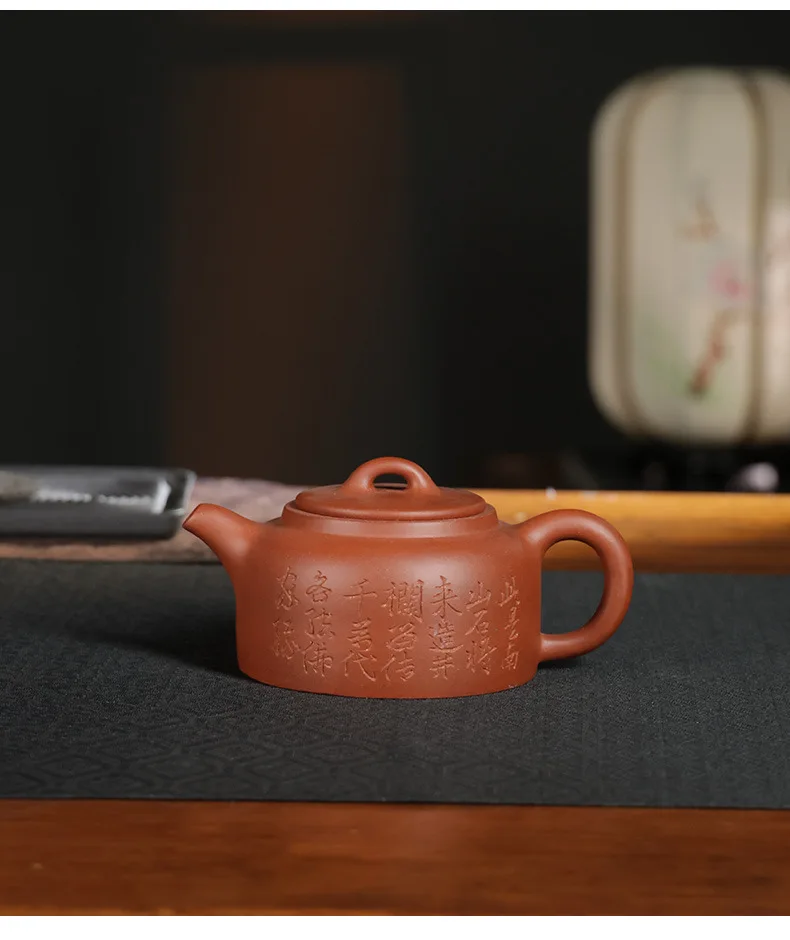
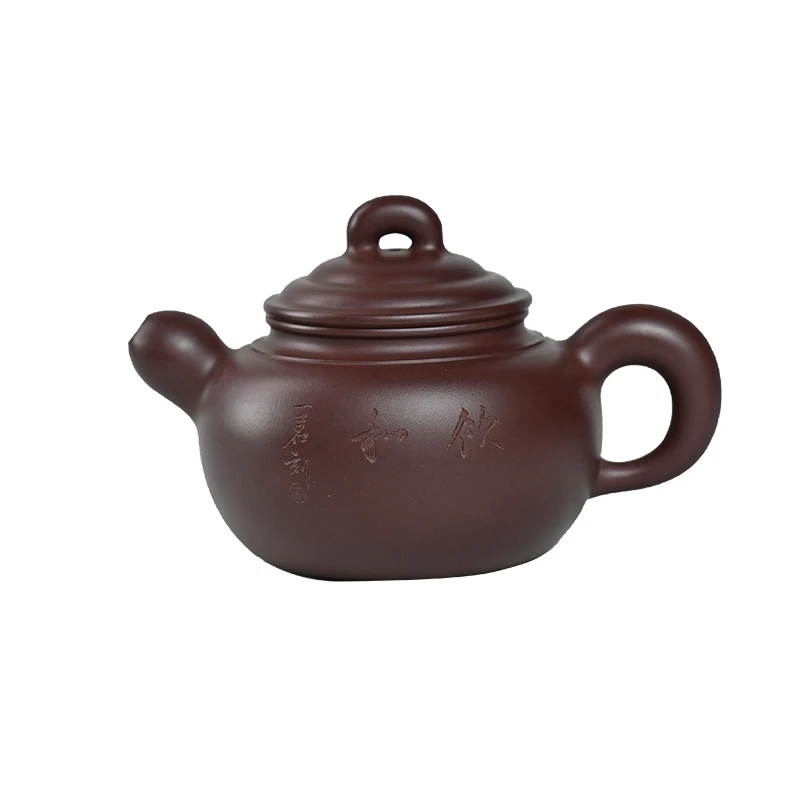
「和饮壶 · Harmony」 — 300ml Master Handmade Yixing Purple Clay Teapot (Raw Ore Zhu Ni · Classic Form · Calligraphy Engraving)
「大刻壶 · Grand Script」 — 540ml Handmade Yixing Purple Clay Teapot (Raw Ore Purple Mud · Large Capacity · Calligraphy Engraving)