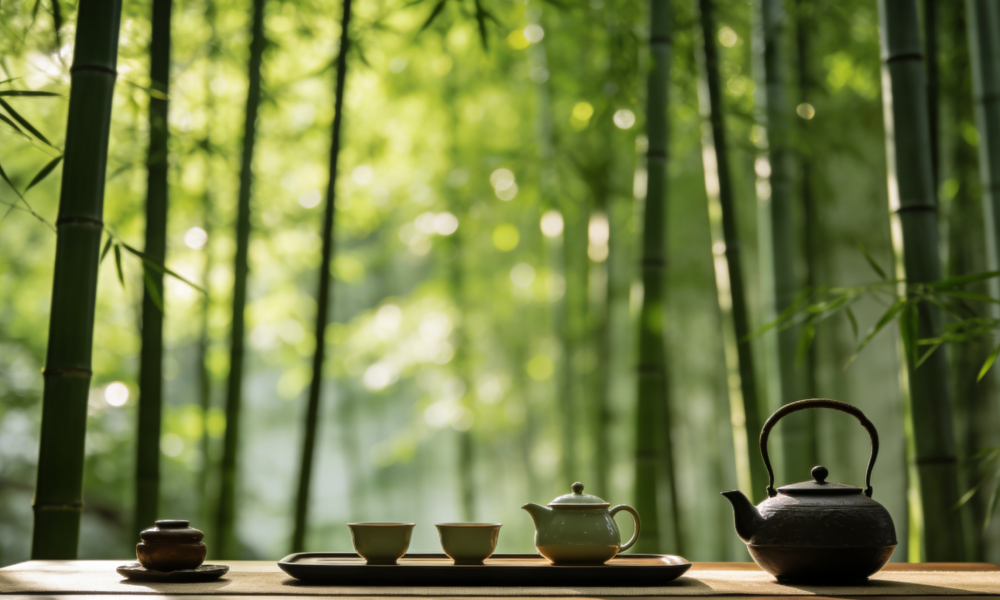

Tea Tools & Space

Tea Pets: Spirit, Playfulness & Blessings

Tea Pets: Spirit, Playfulness & Blessings

How Tea Pets Bring Warmth, Symbolism, and Quiet Companionship to the Tea Table

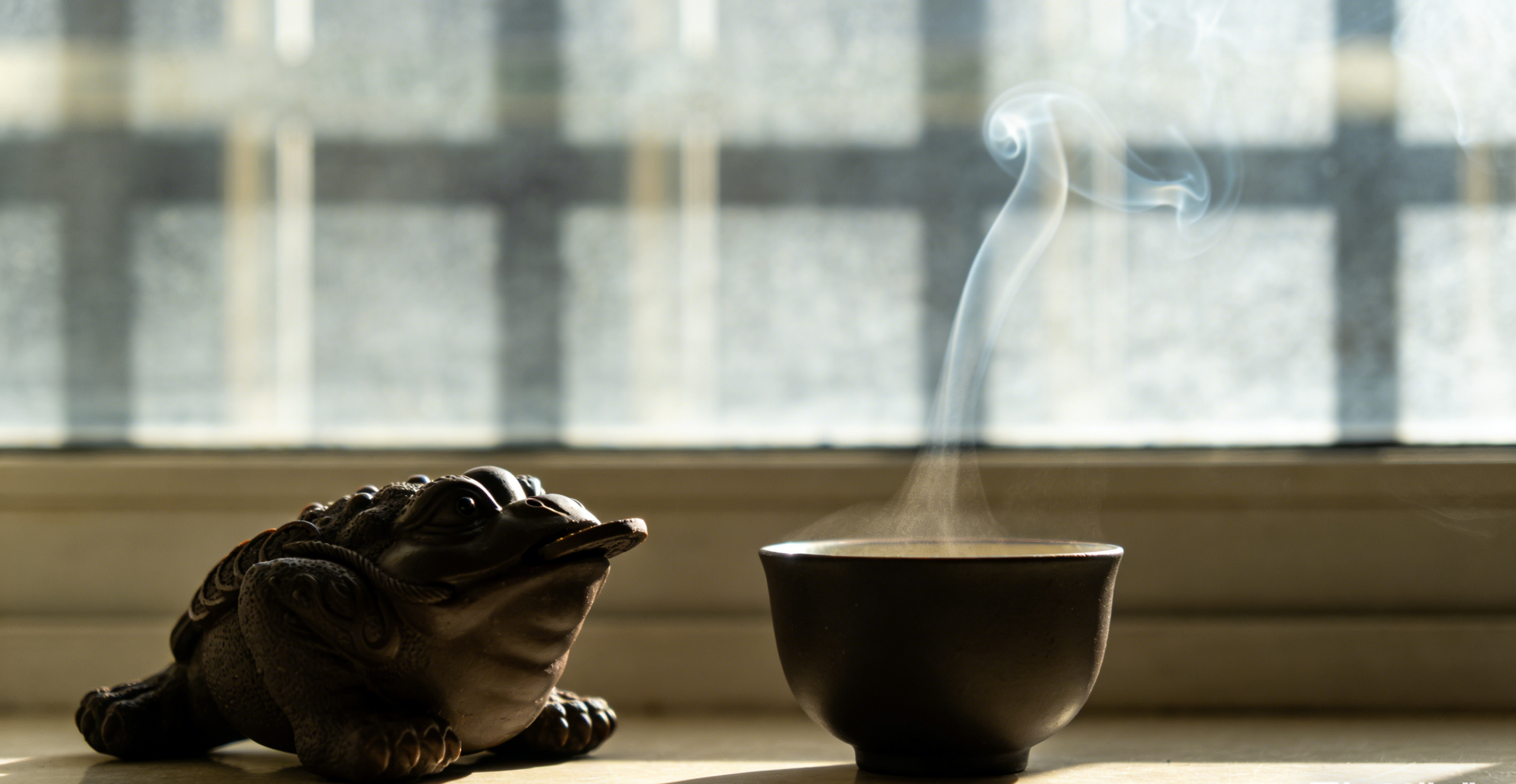
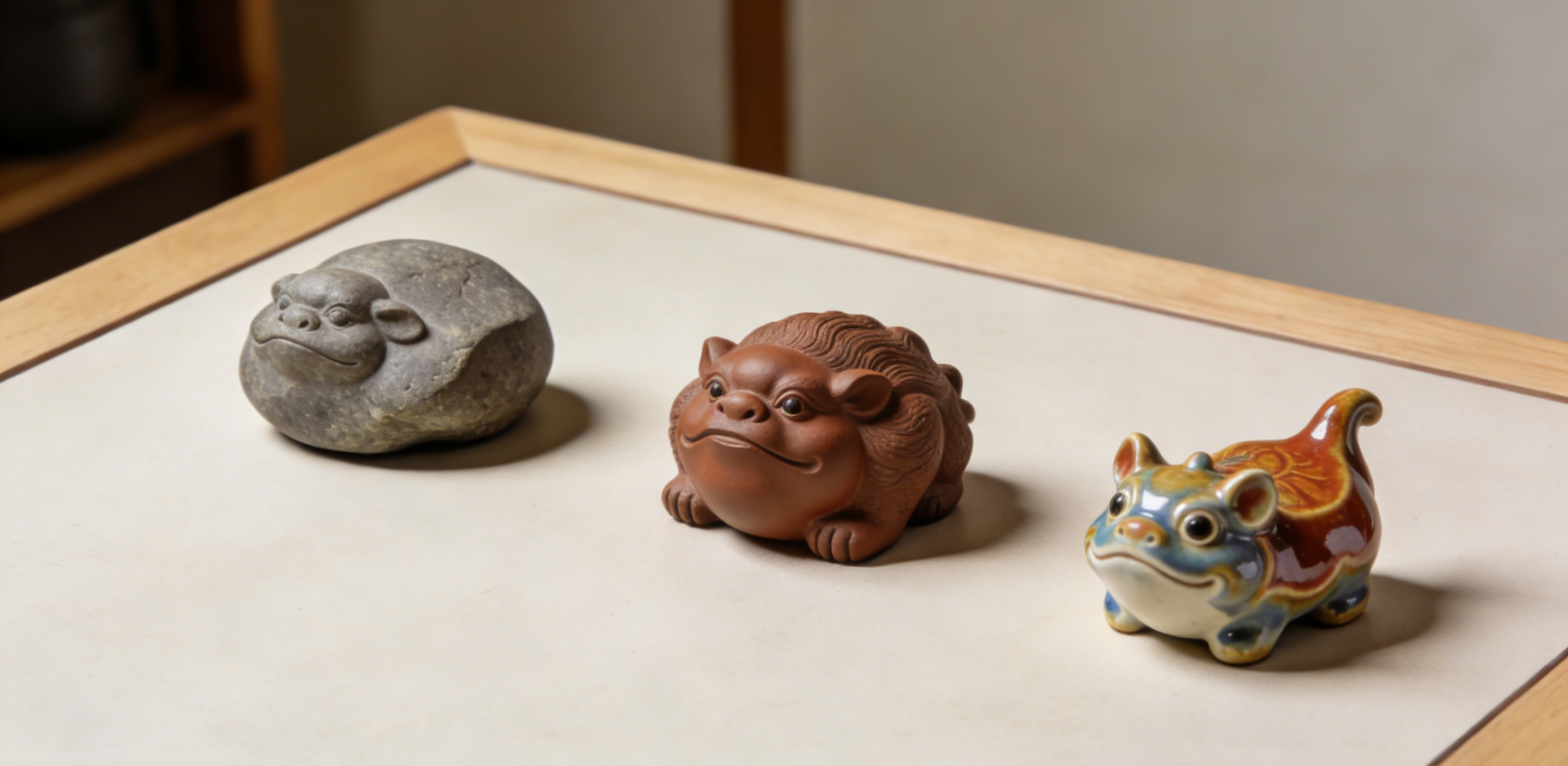
Before the first cup is poured, before steam rises from the gaiwan, there is often a small figure resting quietly on the tea tray—a creature of clay, whimsical or solemn, playful or serene. It may be a mythical beast, a plump toad, a meditating monk, a tiny dragon, or a simple stone-like form whose meaning is known only to its owner. This is the tea pet, a companion whose presence is so gentle that many newcomers overlook it, yet so beloved that seasoned practitioners cannot imagine a tea session without one.

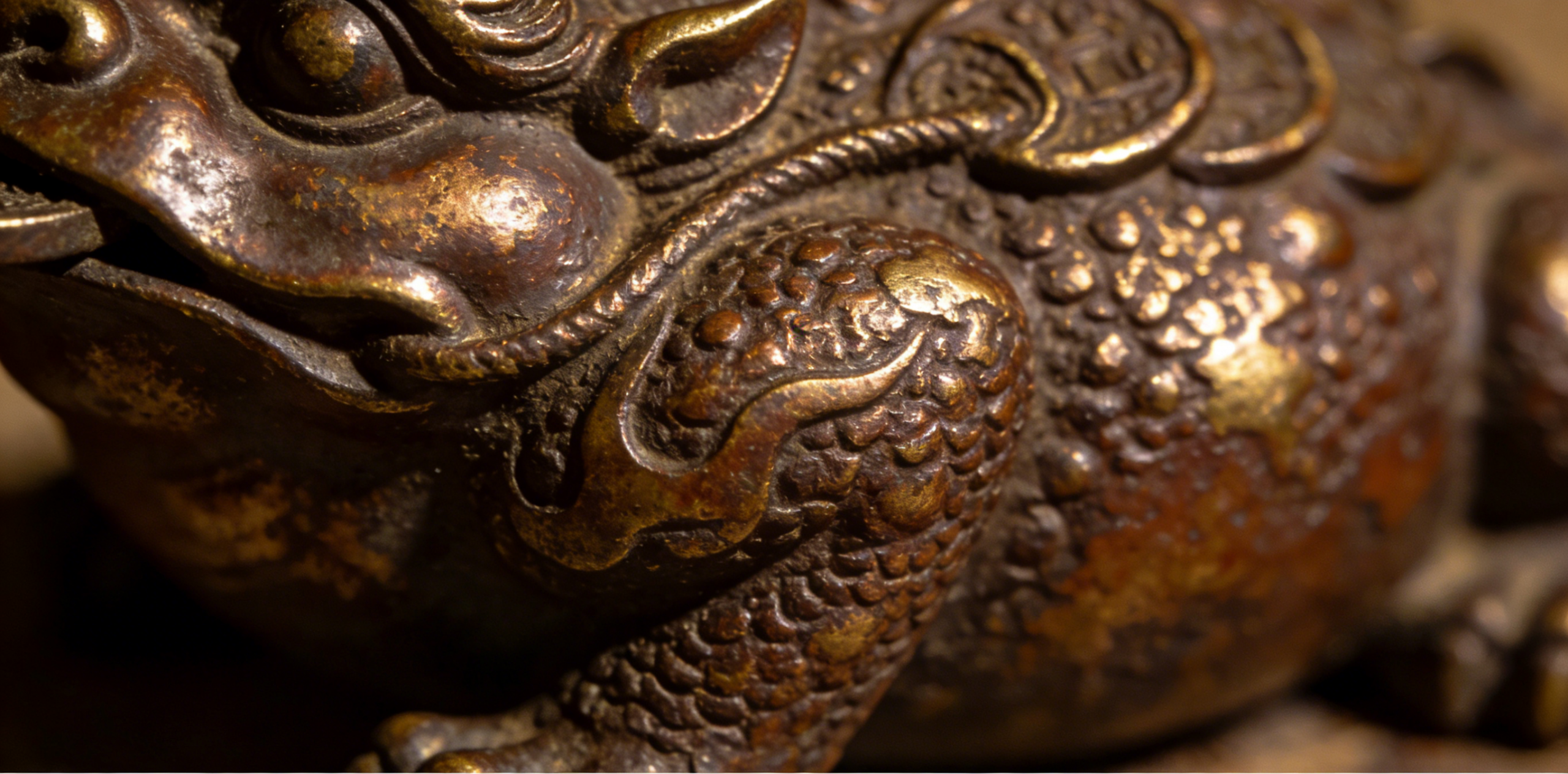
A tea pet is not merely decoration. It is a vessel of spirit, a symbol of blessing, a keeper of atmosphere. It absorbs tea, ages with the brewer, and slowly develops a patina that reflects the rituals, moods, and seasons of its owner. In its quiet way, it embodies something deeply human: our desire to animate the inanimate, to give meaning to small objects, to surround ourselves with companions who ask for nothing yet offer presence, warmth, and continuity.

To place a tea pet on the tray is to acknowledge that tea is not only about technique—it is about relationship. It is about the way objects, gestures, and emotions weave together to create a space where the heart can rest. And in this sense, the tea pet becomes a symbol of the tea table’s soul.

I. Origins of the Tea Pet — From Kiln Spirit to Table Companion

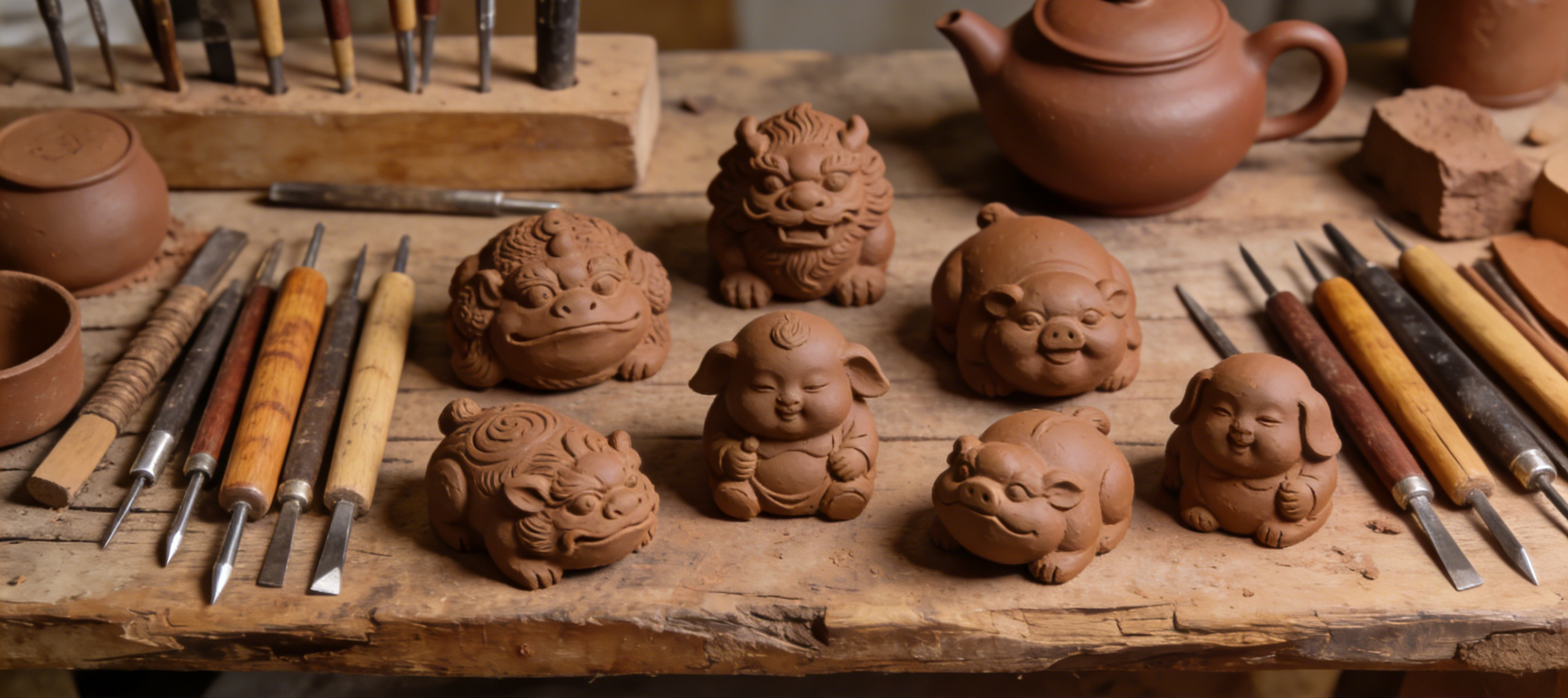
The history of tea pets stretches back to the kilns of Yixing, where potters shaped leftover clay into small figurines—sometimes for practice, sometimes for amusement, sometimes as offerings to the kiln gods. These early creations were infused with the potter’s breath, their fingerprints still visible in the clay. Over time, tea practitioners began placing these small figures on their trays, pouring leftover tea over them as a gesture of gratitude and companionship.

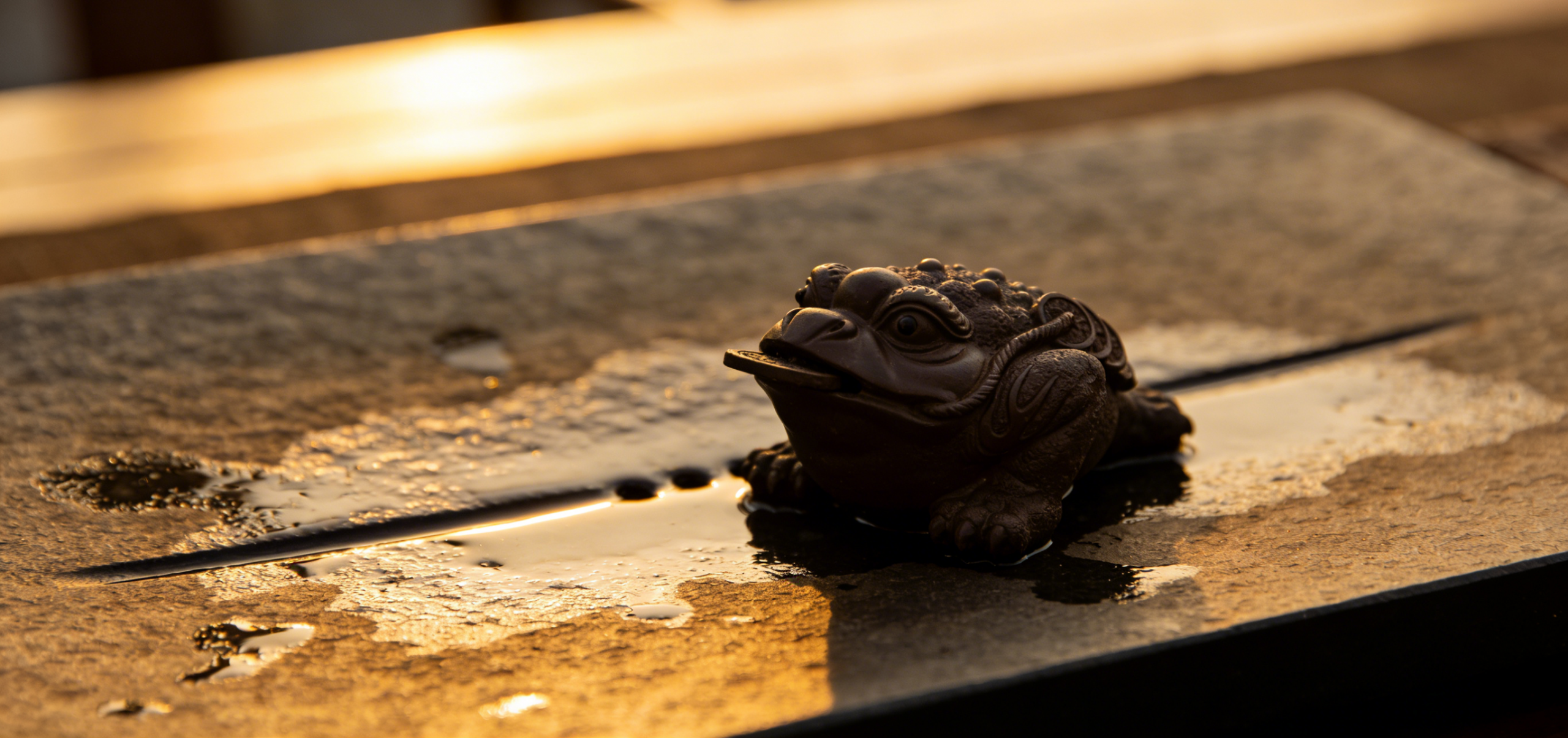
In Chinese folk culture, objects that receive repeated offerings—tea, incense, water—are believed to develop spirit. Not in a supernatural sense, but in the sense of resonance: the object becomes familiar, comforting, alive with memory. A tea pet, touched by water and time, becomes a quiet witness to the brewer’s life. It absorbs the fragrance of oolong, the warmth of pu’er, the brightness of green tea. It becomes a companion that grows more beautiful with each session, its surface darkening, softening, glowing with the patina of ritual.

Thus the tea pet evolved from a potter’s whim into a cultural symbol—an embodiment of blessing, continuity, and the gentle presence that accompanies the art of tea.

II. The Role of Tea Pets in Gongfu Tea — Atmosphere, Rhythm, and Emotional Warmth

During a tea session, the tea pet plays a subtle but essential role. It anchors the tea tray with a sense of personality, transforming the space from a technical setup into a living environment. Its presence softens the formality of Gongfu tea, adding a touch of playfulness, humor, or serenity depending on its form. A three-legged toad evokes prosperity; a dragon evokes protection; a small monk evokes peace; an abstract stone evokes contemplation.

Pouring tea over the pet becomes a ritual within the ritual—a moment of pause, a gesture of generosity. It is a reminder that tea is not only for drinking; it is for sharing, even with objects that cannot drink. This act slows the pace of the session, allowing the brewer to breathe, to reset, to reconnect with the moment. The tea pet becomes a focal point for emotion, a grounding presence that absorbs excess water and excess tension alike.

In this way, the tea pet shapes the rhythm of the session. It invites the brewer to be gentle, to be attentive, to be playful. It reminds us that tea is not a performance but a relationship—with the leaf, with the vessel, with the self.

II. The Role of Tea Pets in Gongfu Tea — Atmosphere, Rhythm, and Emotional Warmth

During a tea session, the tea pet plays a subtle but essential role. It anchors the tea tray with a sense of personality, transforming the space from a technical setup into a living environment. Its presence softens the formality of Gongfu tea, adding a touch of playfulness, humor, or serenity depending on its form. A three-legged toad evokes prosperity; a dragon evokes protection; a small monk evokes peace; an abstract stone evokes contemplation.

Pouring tea over the pet becomes a ritual within the ritual—a moment of pause, a gesture of generosity. It is a reminder that tea is not only for drinking; it is for sharing, even with objects that cannot drink. This act slows the pace of the session, allowing the brewer to breathe, to reset, to reconnect with the moment. The tea pet becomes a focal point for emotion, a grounding presence that absorbs excess water and excess tension alike.

In this way, the tea pet shapes the rhythm of the session. It invites the brewer to be gentle, to be attentive, to be playful. It reminds us that tea is not a performance but a relationship—with the leaf, with the vessel, with the self.

IV. Tea Pets in Modern Tea Culture — Playfulness, Identity, and the Return to Intimacy

In contemporary tea culture, tea pets have become expressions of identity. Some practitioners choose minimalist stone-like forms that evoke Zen simplicity; others choose whimsical animals that bring humor to the tea table; still others collect rare Yixing tea pets crafted by master potters. The diversity of forms reflects the diversity of tea drinkers themselves.

Yet despite modern variations, the essence remains unchanged: tea pets bring intimacy to the tea table. They soften the ritual, making it approachable and human. They remind us that tea is not only about precision—it is about joy. They invite us to slow down, to smile, to pour a little extra tea not for ourselves, but for the small companion who has been quietly watching.

In a world that often feels rushed and fragmented, the tea pet becomes a symbol of return—a return to playfulness, to presence, to the simple pleasure of sharing space with something that asks for nothing but attention.

Closing Reflections — The Tea Pet as a Mirror of the Heart, and a Keeper of Quiet Blessings

When the tea session ends and the cups are emptied, the tea pet remains on the tray—still, patient, unchanged yet subtly transformed by the warmth it has received. It stands as a reminder that the art of tea is not only about technique or flavor, but about the cultivation of spirit. The tea pet teaches us that companionship can be silent, that beauty can be humble, and that meaning can grow from the smallest gestures.

In its quiet presence, we see a reflection of ourselves: our longing for connection, our desire for ritual, our need for objects that hold memory and soften the edges of daily life. The tea pet is a symbol of blessing not because it grants fortune, but because it invites us to slow down, to care, to pour a little extra tea for something beyond ourselves.

And perhaps this is the deepest lesson it offers: that in the world of Gongfu tea, as in life, the heart grows through generosity, and the spirit grows through attention. A tea pet is not merely a figurine. It is a companion on the path of tea— and a quiet reminder that joy, like patina, deepens with time.

Crafted to Delight, Chosen to Feel Right

Curated Pieces, Crafted Purpose

Explore the selections below—where craftsmanship meets desire, and your tea table finds its fire.

-33%
Select options This product has multiple variants. The options may be chosen on the product page

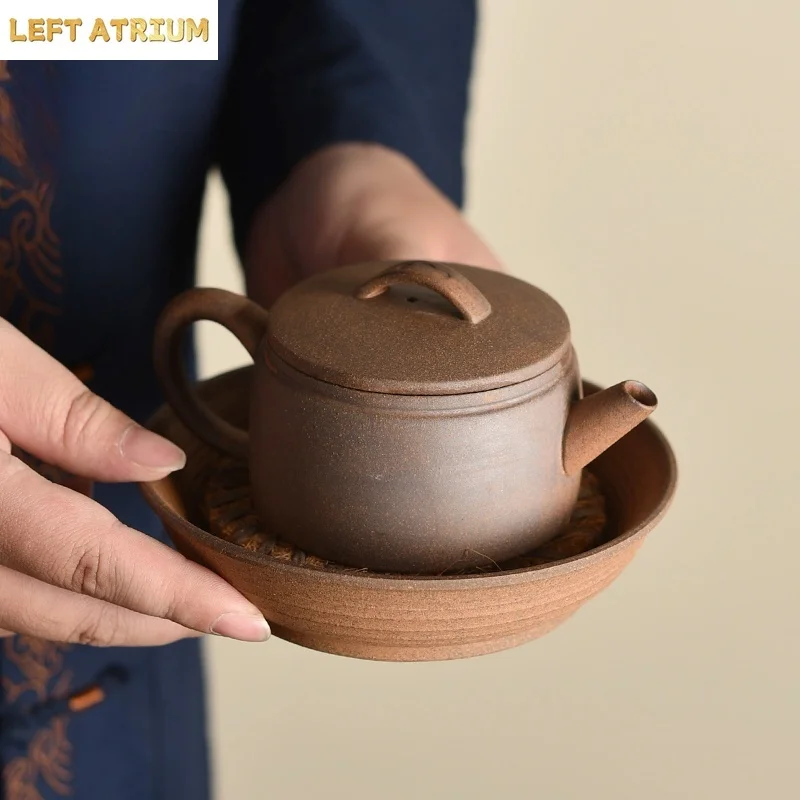
「侘寂壶 · Kurohō」 — 145ml Handmade Coarse Pottery Teapot (Retro Japanese Style · Rustic Clay Body · Gongfu Infuser Pot)

Original price was: $89.99.Current price is: $59.99.
-30%
Select options This product has multiple variants. The options may be chosen on the product page

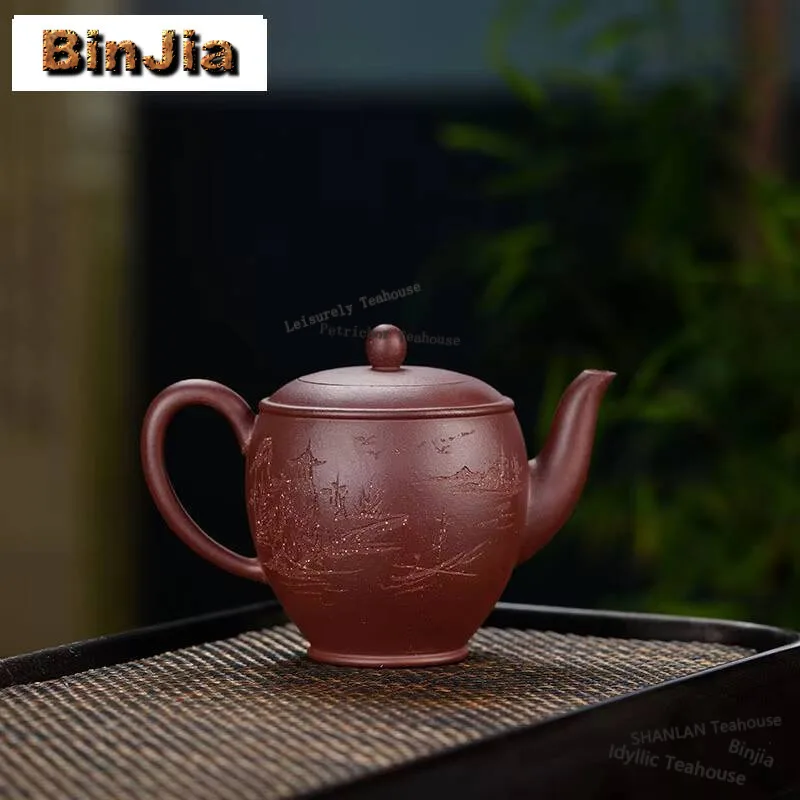
「创意梨壶 · Hearthdrop」 — 200ml Handmade Yixing Purple Clay Teapot (Raw Ore Zisha · Pear-Shaped Form · Famous Artist Work)

Original price was: $99.99.Current price is: $69.99.
-25%
Select options This product has multiple variants. The options may be chosen on the product page

「刻韵壶 · Carved Harmony」 — 210ml Handmade Yixing Teapot (Raw Ore Zhu Ni Clay · Traditional Carved Form · Built-in Strainer)

Original price was: $119.99.Current price is: $89.99.
-30%
Select options This product has multiple variants. The options may be chosen on the product page

「名家梨壶 · Masterseed」 — 85ml Handmade Yixing Purple Clay Teapot (Raw Ore Zisha · Pear-Shaped Form · Famous Artist Work)

Original price was: $99.99.Current price is: $69.99.
-27%
Select options This product has multiple variants. The options may be chosen on the product page

「呼吸壶 · Breathing Vessel」 — 160ml Master-Crafted Yixing Teapot (Zhu Ni Clay · Dual-Pore Structure · Ming Dynasty Heritage)

Original price was: $109.99.Current price is: $79.99.
-11%
Select options This product has multiple variants. The options may be chosen on the product page

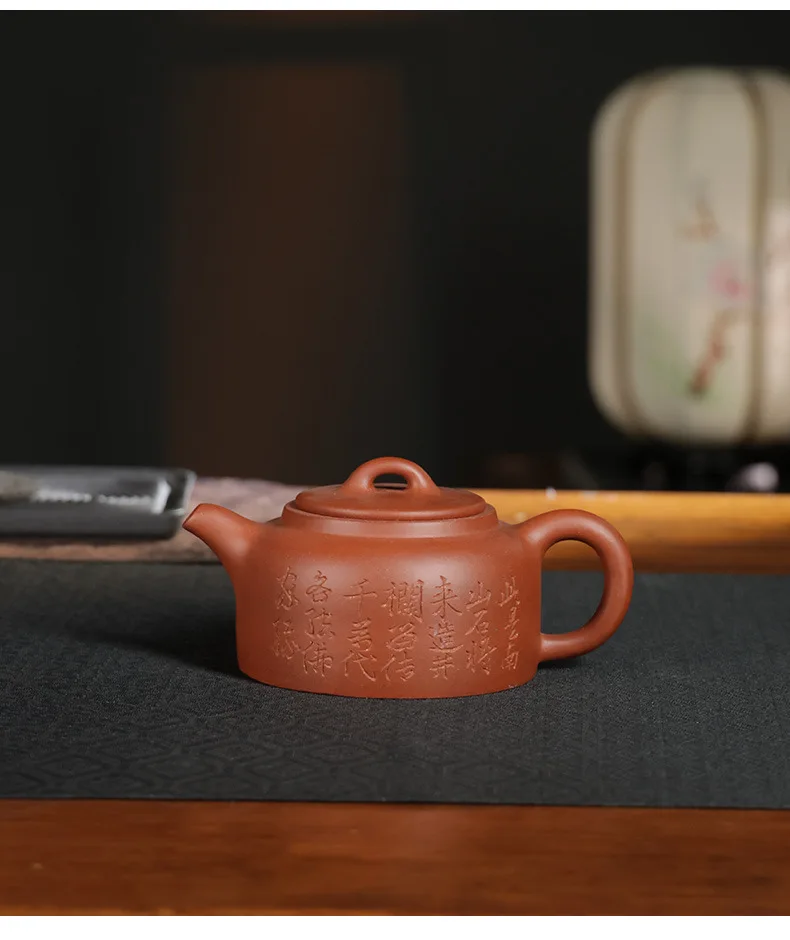
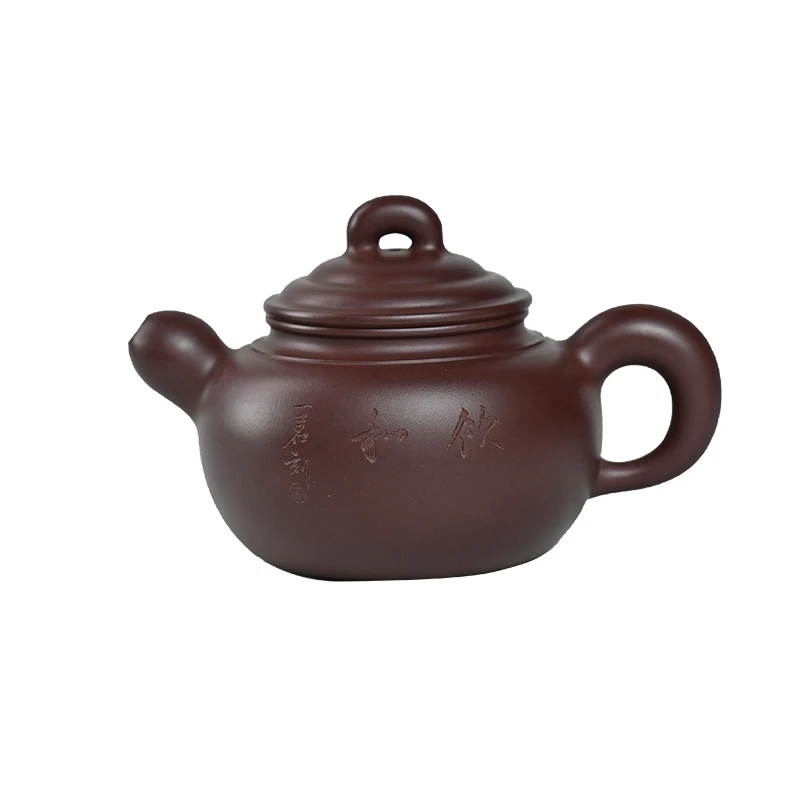
「和饮壶 · Harmony」 — 300ml Master Handmade Yixing Purple Clay Teapot (Raw Ore Zhu Ni · Classic Form · Calligraphy Engraving)

Original price was: $639.99.Current price is: $569.99.
-19%
Select options This product has multiple variants. The options may be chosen on the product page

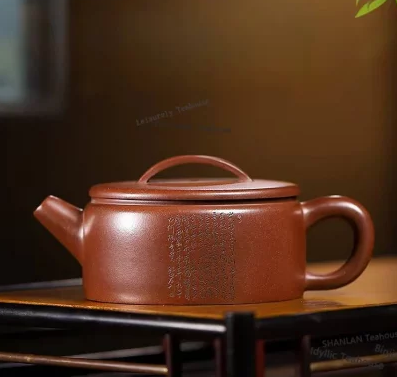
「大刻壶 · Grand Script」 — 540ml Handmade Yixing Purple Clay Teapot (Raw Ore Purple Mud · Large Capacity · Calligraphy Engraving)

Original price was: $156.87.Current price is: $126.87.
-20%
Select options This product has multiple variants. The options may be chosen on the product page

「大口壶 · Inkroot」 — 180ml Handmade Yixing Purple Clay Teapot (Raw Ore Zisha · Large-Caliber Form · Built-in Filter)

Original price was: $149.99.Current price is: $119.99.

Leave a Reply

Your email address will not be published. Required fields are marked *