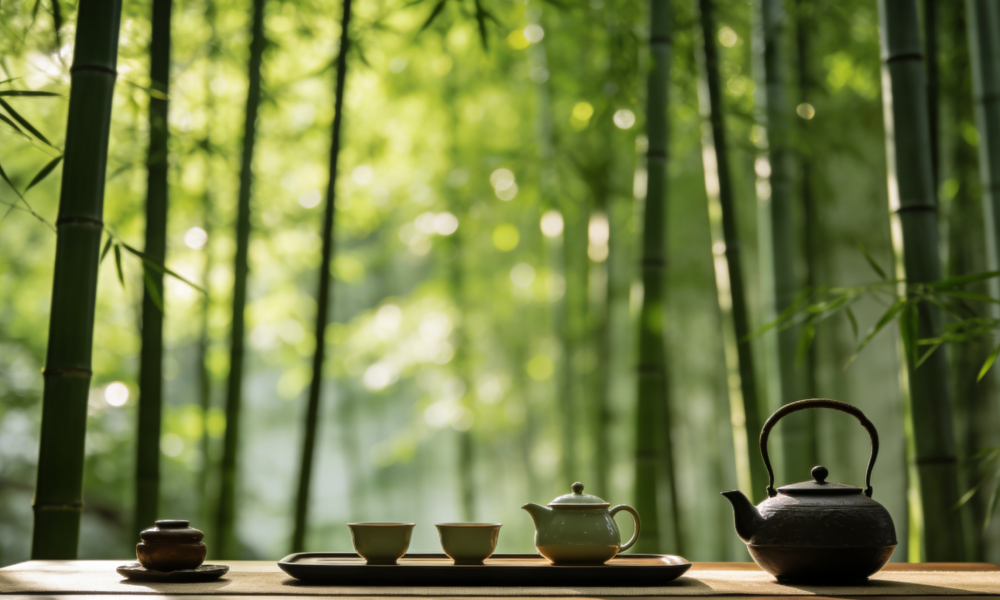

Gaiwan Ritual

Gaiwan Techniques: Temperature, Flow & Aroma

Gaiwan Techniques

Temperature, Flow & Aroma — The Subtle Mechanics Behind Mastering a Three‑Piece Vessel

The gaiwan is often described as simple, but anyone who has brewed with one knows that its simplicity hides a remarkable depth of technique. Three pieces—bowl, lid, saucer—become an instrument of precision, sensitivity, and sensory intelligence. Unlike a teapot, which shapes the tea through enclosed warmth and clay memory, the gaiwan requires the brewer to shape the tea through movement, timing, and touch. Mastering temperature, flow, and aroma is not about memorizing rules; it is about learning to read the leaf and respond with quiet intuition. For many tea practitioners, gaiwan technique becomes the foundation of gongfu brewing—a way of cultivating presence, clarity, and a deeper relationship with tea.

I. Temperature Control

How Heat Moves Through Porcelain, Clay & Glass—and How to Guide It

Temperature is the first language of the gaiwan. Because the vessel cools quickly, the brewer must learn to manage heat with intention.

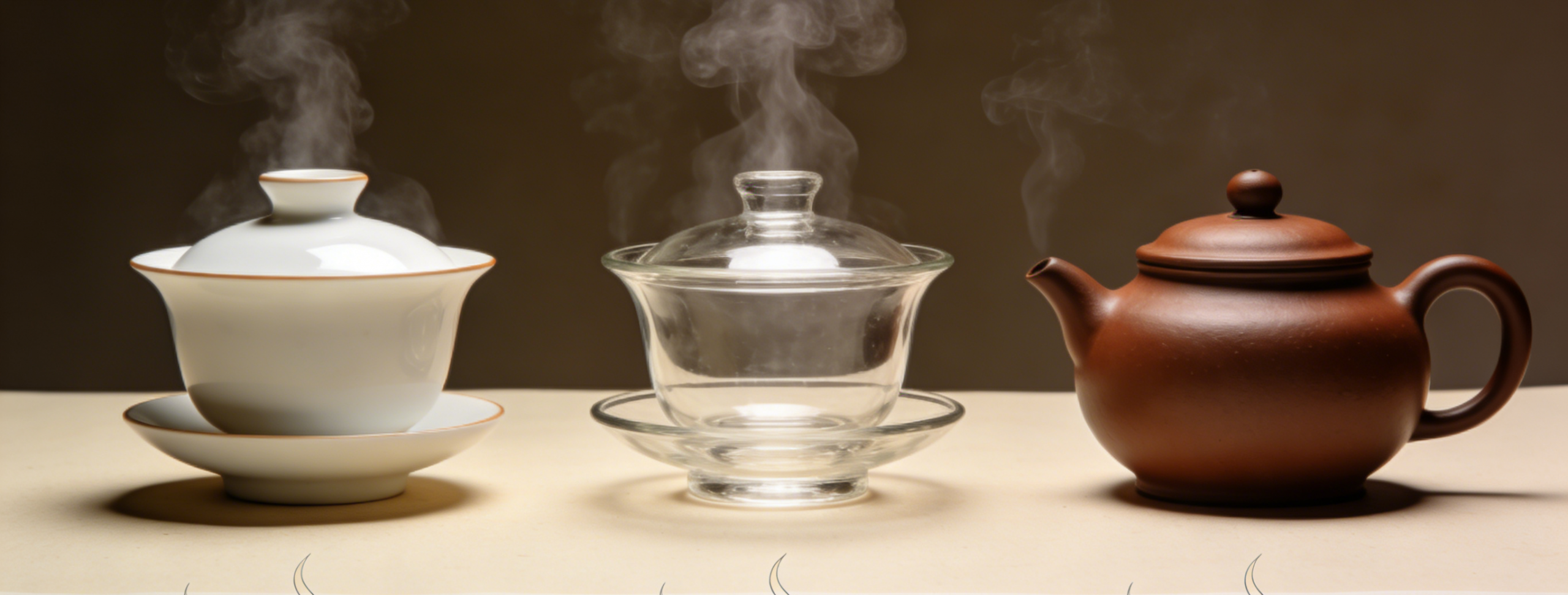
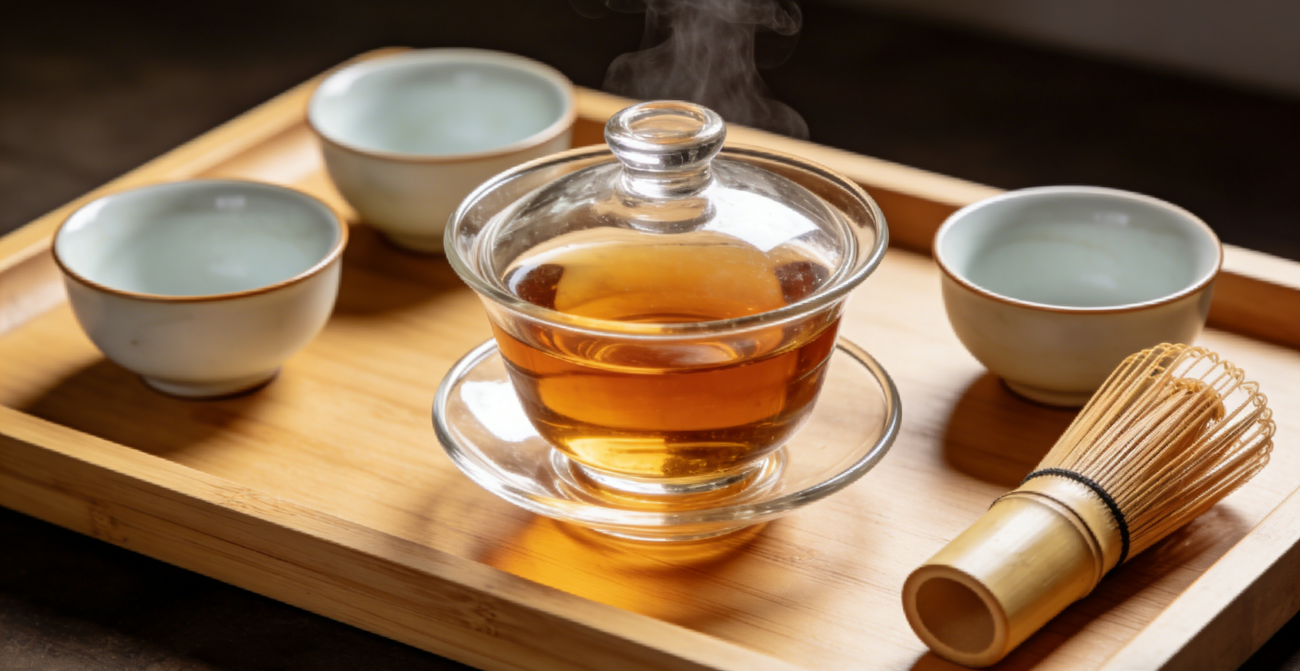
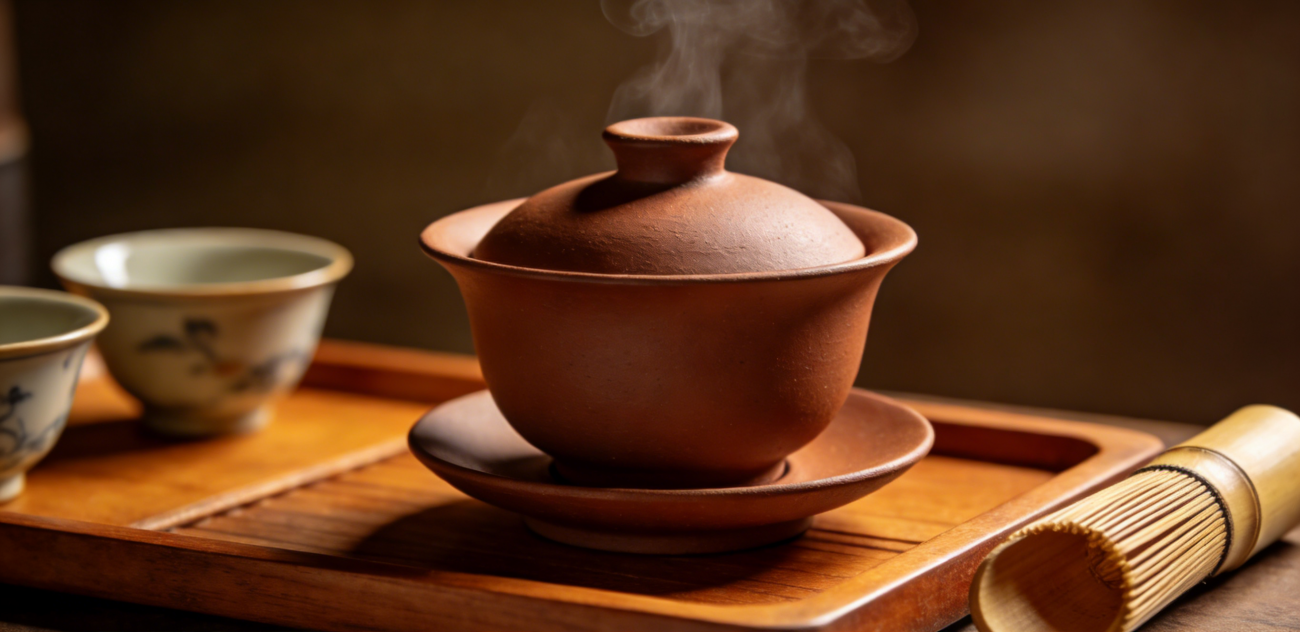
Porcelain gaiwans retain heat moderately, making them ideal for most teas. Glass gaiwans cool quickly, offering precision for delicate leaves. Zisha gaiwans hold warmth longer, supporting deeper extraction.

The key is not the material alone, but how the brewer interacts with it:

  • warming the gaiwan before brewing

  • adjusting water temperature based on leaf type

  • tilting the lid to vent heat

  • shortening or lengthening infusions based on aroma and color

Temperature becomes a conversation rather than a fixed rule. The gaiwan teaches the brewer to feel heat—not just measure it.

II. Flow Control

The Art of Pouring, Lid Angle & the Rhythm of Movement

Flow is the second language of the gaiwan. The way water enters and exits the vessel shapes extraction, clarity, and texture.

Pouring in: A gentle pour preserves delicate leaves; a stronger pour awakens rolled oolong or pu’er. The angle of the kettle spout, the height of the pour, and the speed of the stream all influence the tea’s behavior.

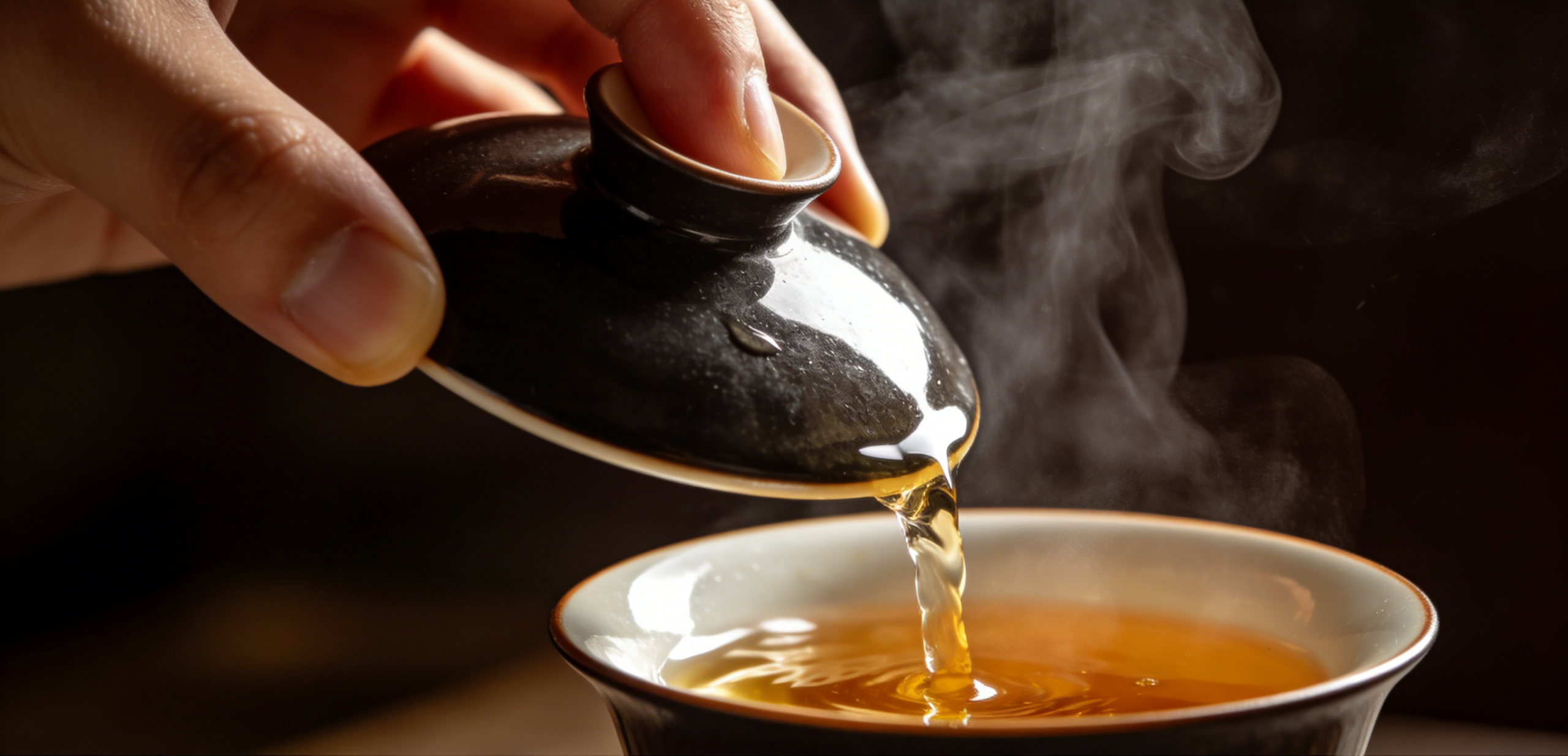
Pouring out: The lid becomes a tool for controlling flow.

  • A narrow gap creates a slow, concentrated pour

  • A wider gap creates a fast, bright pour

  • A slight tilt releases aroma while preventing leaves from escaping

Flow is not just technique—it is rhythm. A smooth, confident pour creates a clean cup; a hesitant pour creates uneven extraction. The gaiwan rewards fluidity and punishes tension.

III. Aroma Expression

Why the Gaiwan Is the Most Honest Vessel for Scent and Steam

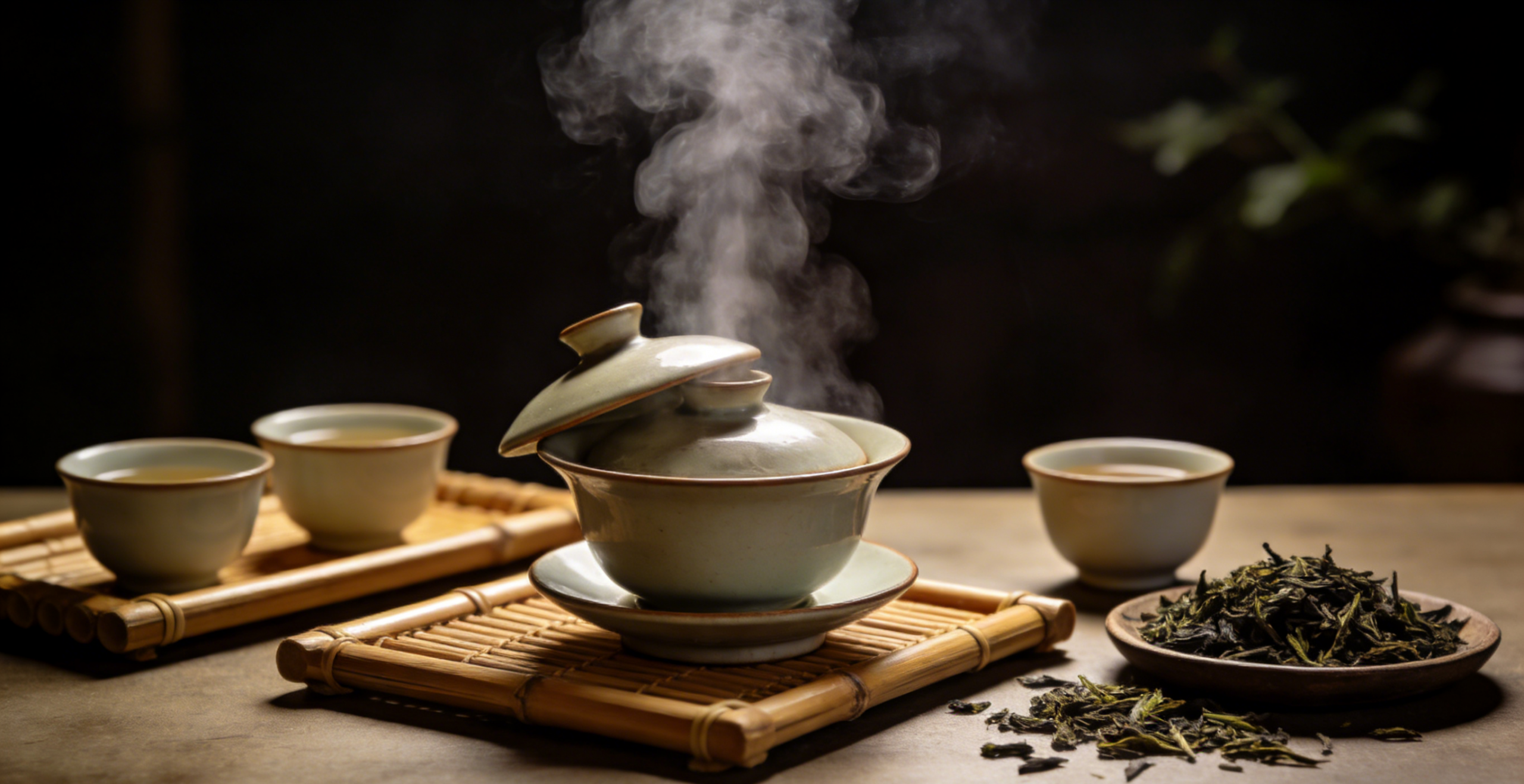
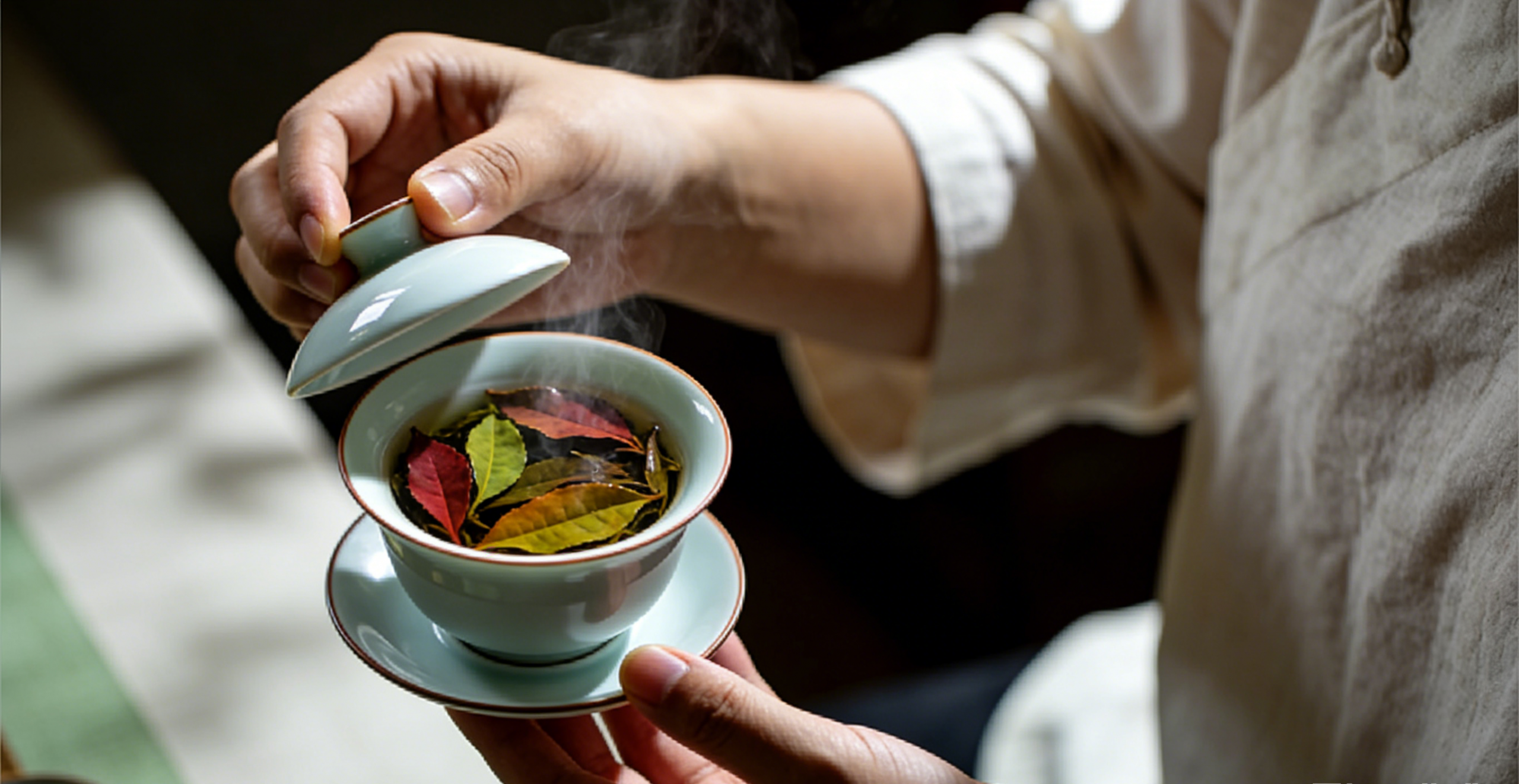
Aroma is the soul of tea, and the gaiwan is uniquely suited to reveal it. The lid traps fragrance, concentrates it, and releases it in a single rising wave when lifted. This moment—lifting the lid and inhaling—is one of the most intimate gestures in gongfu tea.

Different teas express aroma differently:

  • Oolong releases layered florals and fruit notes

  • White tea reveals honey, hay, and soft florals

  • Pu’er expresses earth, wood, and age

The gaiwan allows the brewer to evaluate aroma at every stage:

  • dry leaf

  • warmed leaf

  • first infusion

  • mid‑session evolution

Aroma becomes a guide for timing, temperature, and flow. The gaiwan teaches the brewer to smell before tasting—to understand tea through breath as much as through palate.

IV. Sensory Awareness & Intuitive Brewing

How Technique Evolves into Presence, Confidence & Gongfu Rhythm

Mastery of the gaiwan is not about memorizing steps—it is about developing sensory awareness. Over time, the brewer learns to read subtle cues:

  • the sound of water hitting leaves

  • the way steam rises

  • the color shift at the edge of the liquor

  • the weight of the lid as leaves expand

These cues guide timing more accurately than any stopwatch. Technique becomes intuition; intuition becomes presence.

The gaiwan becomes an extension of the hand, the breath, and the moment. It teaches patience without rigidity, precision without tension, and clarity without coldness. For many tea drinkers, this is where gongfu brewing truly begins.

Closing Reflections

A Vessel That Teaches Through Touch, Heat & Quiet Attention

The gaiwan endures because it offers a direct, unfiltered relationship with tea. Temperature, flow, and aroma are not abstract concepts—they are sensations felt through the fingertips, the nose, and the rhythm of movement. Mastering these techniques is not about perfection, but about presence. Whether used for study, daily ritual, or quiet reflection, the gaiwan becomes a companion that sharpens the senses, deepens understanding, and brings a gentle discipline to the tea table. For many practitioners, learning gaiwan technique is not just learning to brew—it is learning to listen.

Crafted to Delight, Chosen to Feel Right

Curated Pieces, Crafted Purpose

Explore the selections below—where craftsmanship meets desire, and your tea table finds its fire.

-33%
Select options This product has multiple variants. The options may be chosen on the product page

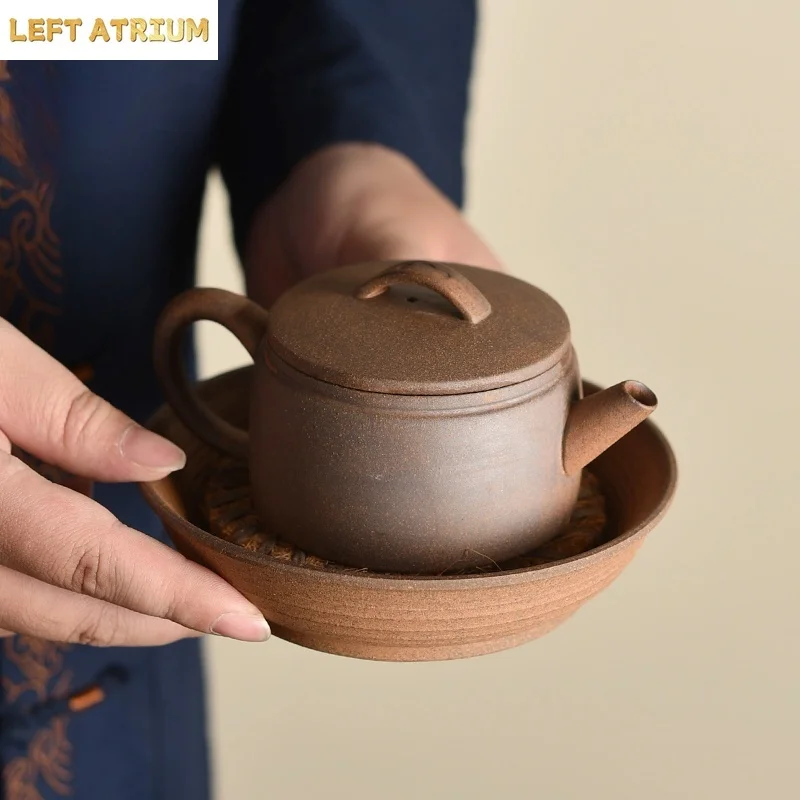
「侘寂壶 · Kurohō」 — 145ml Handmade Coarse Pottery Teapot (Retro Japanese Style · Rustic Clay Body · Gongfu Infuser Pot)

Original price was: $89.99.Current price is: $59.99.
-30%
Select options This product has multiple variants. The options may be chosen on the product page

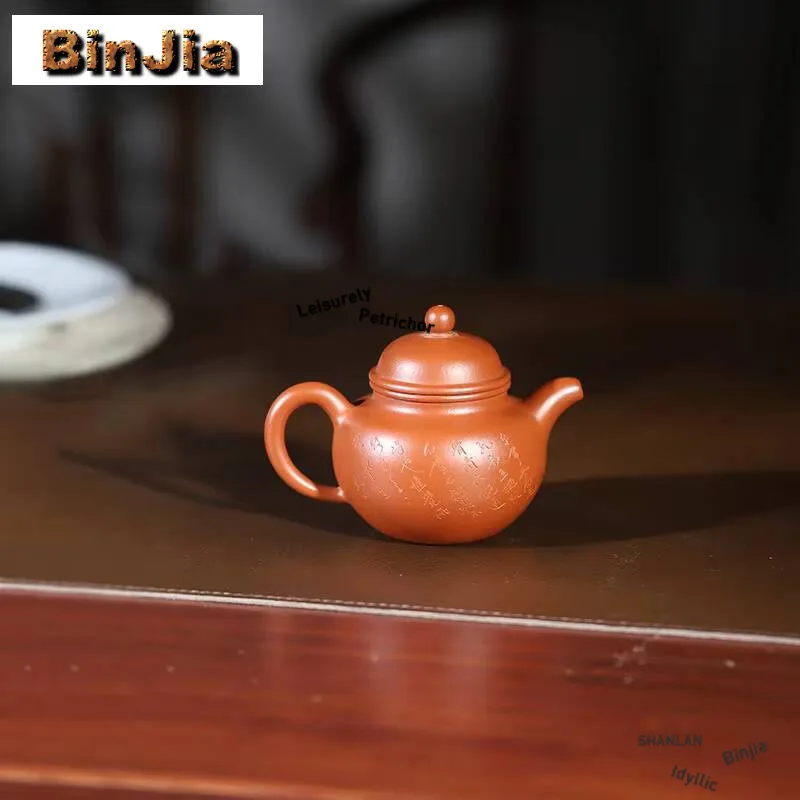
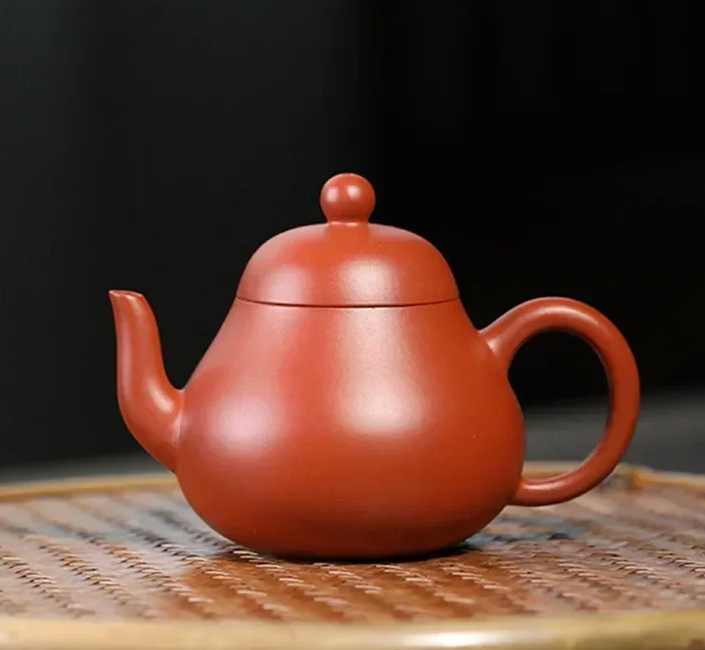
「创意梨壶 · Hearthdrop」 — 200ml Handmade Yixing Purple Clay Teapot (Raw Ore Zisha · Pear-Shaped Form · Famous Artist Work)

Original price was: $99.99.Current price is: $69.99.
-25%
Select options This product has multiple variants. The options may be chosen on the product page

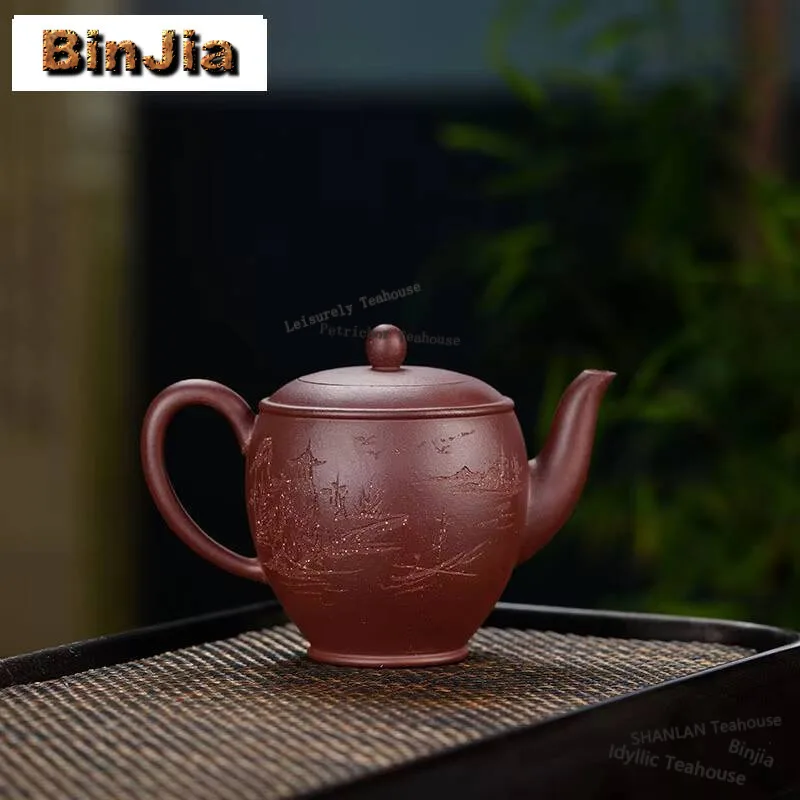
「刻韵壶 · Carved Harmony」 — 210ml Handmade Yixing Teapot (Raw Ore Zhu Ni Clay · Traditional Carved Form · Built-in Strainer)

Original price was: $119.99.Current price is: $89.99.
-30%
Select options This product has multiple variants. The options may be chosen on the product page

「名家梨壶 · Masterseed」 — 85ml Handmade Yixing Purple Clay Teapot (Raw Ore Zisha · Pear-Shaped Form · Famous Artist Work)

Original price was: $99.99.Current price is: $69.99.
-27%
Select options This product has multiple variants. The options may be chosen on the product page

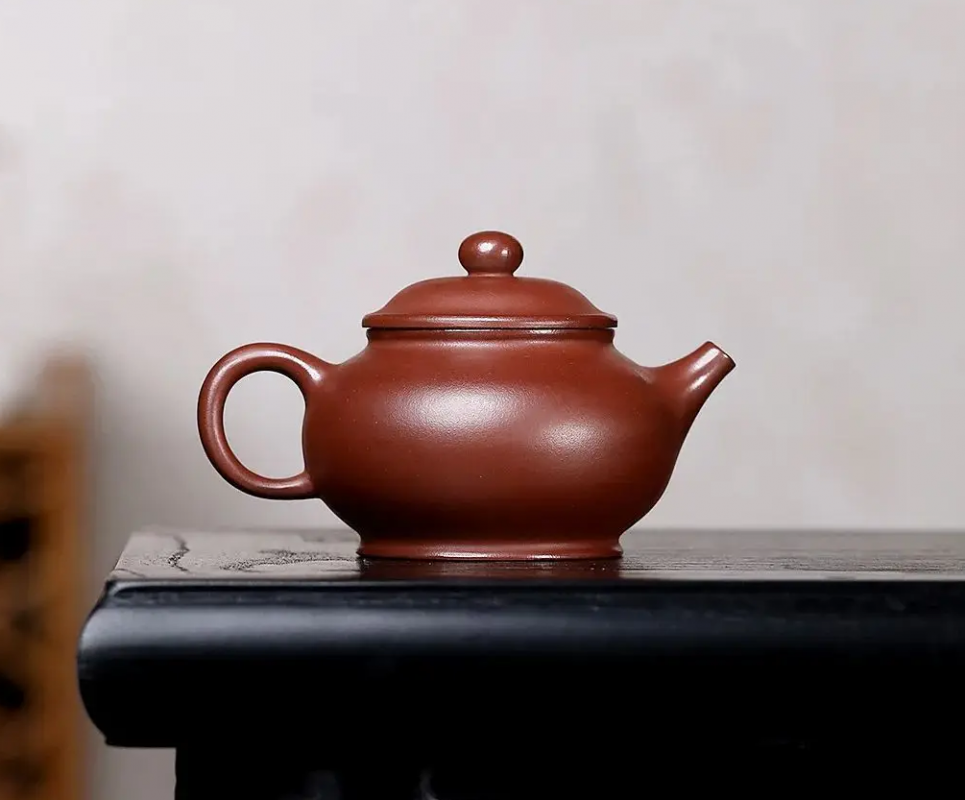
「呼吸壶 · Breathing Vessel」 — 160ml Master-Crafted Yixing Teapot (Zhu Ni Clay · Dual-Pore Structure · Ming Dynasty Heritage)

Original price was: $109.99.Current price is: $79.99.
-11%
Select options This product has multiple variants. The options may be chosen on the product page

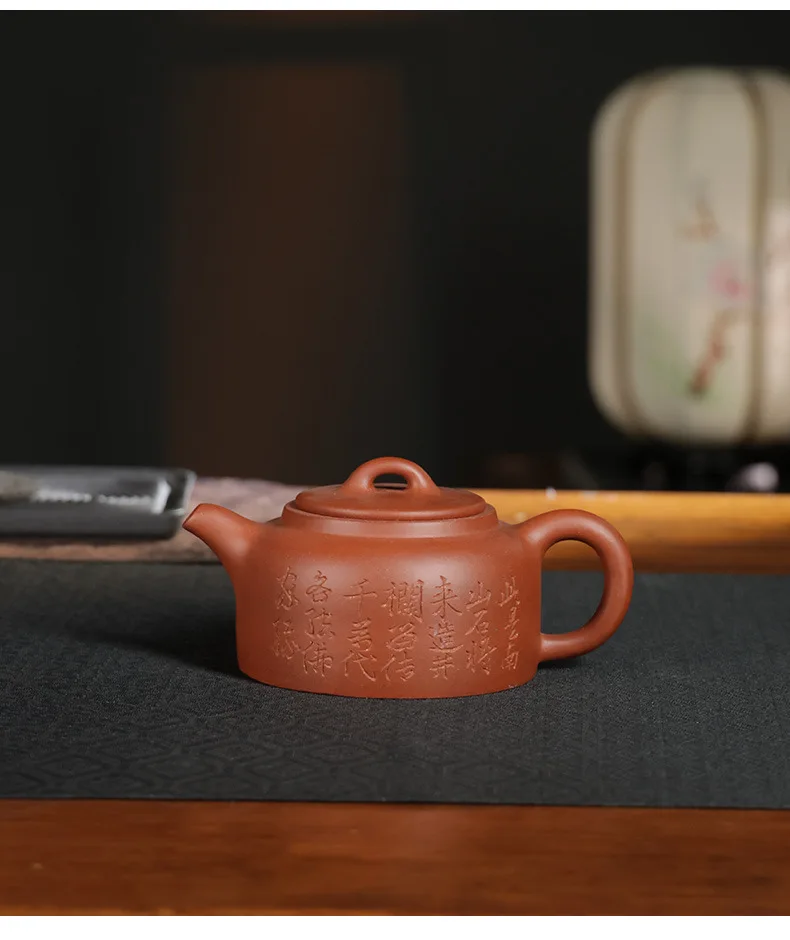
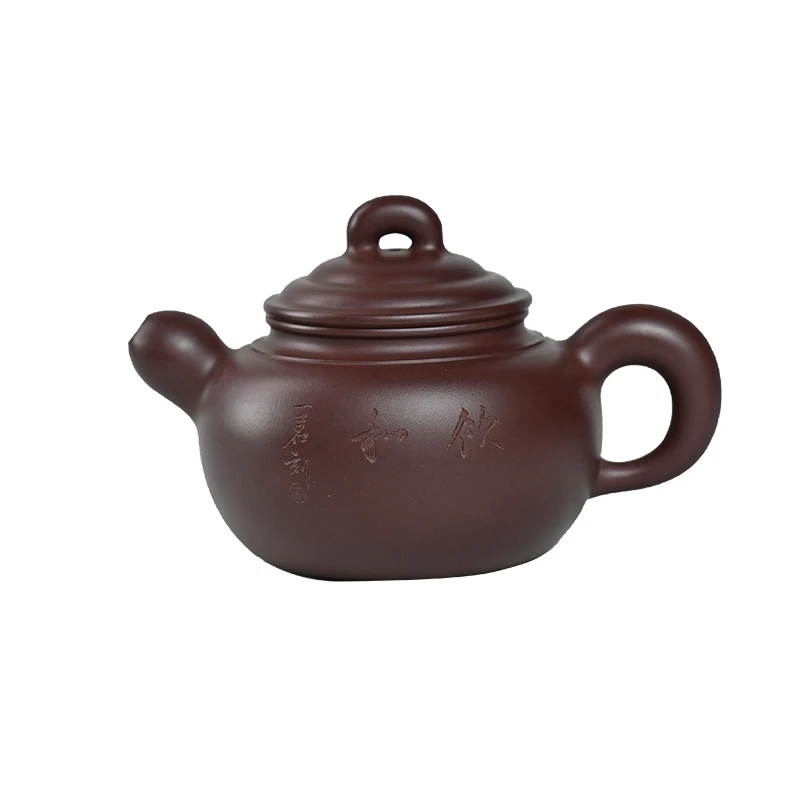
「和饮壶 · Harmony」 — 300ml Master Handmade Yixing Purple Clay Teapot (Raw Ore Zhu Ni · Classic Form · Calligraphy Engraving)

Original price was: $639.99.Current price is: $569.99.
-19%
Select options This product has multiple variants. The options may be chosen on the product page

「大刻壶 · Grand Script」 — 540ml Handmade Yixing Purple Clay Teapot (Raw Ore Purple Mud · Large Capacity · Calligraphy Engraving)

Original price was: $156.87.Current price is: $126.87.
-20%
Select options This product has multiple variants. The options may be chosen on the product page

「大口壶 · Inkroot」 — 180ml Handmade Yixing Purple Clay Teapot (Raw Ore Zisha · Large-Caliber Form · Built-in Filter)

Original price was: $149.99.Current price is: $119.99.

Leave a Reply

Your email address will not be published. Required fields are marked *