Tea Tools & Space

Material Philosophy: Metal, Wood, Water, Fire, Earth

Material Philosophy

Metal, Wood, Water, Fire, Earth — The Five Elements as the Hidden Architecture of Teaware

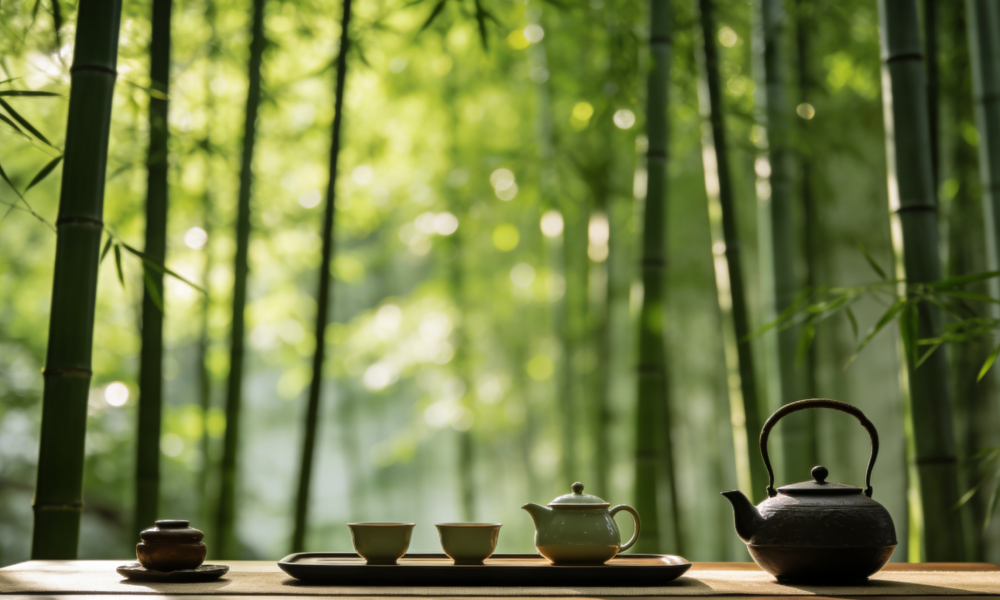
Before the first cup is poured, before the leaves awaken in the quiet warmth of the pot, the tea table is already alive with the presence of the Five Elements. Not in a mystical or symbolic sense alone, but in the very materials that shape the tools we touch: the cool firmness of metal, the living breath of wood, the fluid clarity of water, the transformative heat of fire, and the grounding weight of earth. These elements are not abstract concepts—they are the physical and emotional foundations of the tea ritual. They determine how the hand moves, how the senses respond, how the atmosphere settles.

To brew tea with awareness of materials is to enter a deeper relationship with the world. It is to recognize that every object carries a lineage: clay shaped by mountains, wood shaped by seasons, metal shaped by fire, water shaped by clouds. When these materials gather on the tea table, they form a quiet cosmology—a universe in miniature where the Five Elements interact, balance, and harmonize. And in this harmony, the tea session becomes more than a ritual. It becomes a meditation on the nature of existence, a reminder that we, too, are shaped by the same forces that shape the tools we hold.

I. Metal — Precision, Structure, and the Cool Intelligence of the Tea Table

Metal enters the tea space with a sense of clarity. Its cool surface, its clean lines, its precise edges bring structure to the ritual. Metal strainers, kettles, and tongs embody the element of order—they refine, filter, and control. When the hand touches metal, there is a feeling of alertness, of focus. Metal sharpens the senses, reminding the brewer that tea is not only about warmth and softness, but also about discipline and precision.

In the Five Elements, metal governs clarity and contraction. On the tea table, this translates into tools that define boundaries: the strainer that purifies the liquor, the kettle that holds heat with unwavering discipline, the tongs that maintain hygiene and composure. Metal teaches us that refinement is a form of respect. It reminds us that beauty emerges when we remove what is unnecessary, when we allow structure to support freedom, when we embrace the cool intelligence that balances the warmth of tea.

II. Wood — Warmth, Breath, and the Living Pulse of the Tea Table

Wood is the heartbeat of the tea space. Its grain carries the memory of seasons, its warmth softens the atmosphere, its presence invites the hand to rest. Wooden trays, scoops, and tea utensils embody the element of growth. They bring breath, vitality, and a sense of naturalness to the ritual. When the hand touches wood, there is a feeling of connection—an intimacy that reminds us that tea is a living art, shaped by the rhythms of nature.

In the Five Elements, wood governs expansion and renewal. On the tea table, this becomes the energy of beginnings: the scoop that introduces the leaves, the tray that holds the session, the tools that guide the ritual with gentle warmth. Wood teaches us that growth is not forceful—it is organic. It reminds us that the tea table is not a stage for performance, but a living space where the heart can open and the senses can breathe.

III. Water & Fire — Transformation, Movement, and the Dance of Opposites

Water and fire are the dynamic forces of the tea ritual—the elements that transform leaf into liquor, potential into experience. Water carries softness, adaptability, and clarity. Fire carries intensity, transformation, and awakening. Together, they create the alchemy of tea.

Water is the messenger of flavor. It extracts, carries, reveals. Its temperature, purity, and movement determine the character of each infusion. Fire is the catalyst. It warms the kettle, awakens the leaves, and shapes the rhythm of the session. Without fire, water remains dormant; without water, fire remains unexpressed.

In the Five Elements, water governs flow and wisdom; fire governs passion and illumination. On the tea table, they teach us that life is shaped by the interplay of softness and strength, yielding and intensity. They remind us that transformation requires both heat and surrender, both discipline and fluidity. And in their dance, the tea session becomes a meditation on balance.

IV. Earth — Grounding, Stillness, and the Vessel That Holds It All

Earth is the foundation of the tea ritual. It is the clay of the teapot, the ceramic of the cups, the stone of the tray. Earth holds, contains, supports. It gives the tea table its weight, its stability, its quiet dignity. When the hand touches clay, there is a feeling of grounding—a return to the body, to the present moment, to the simple truth that all things arise from the earth and return to it.

In the Five Elements, earth governs nourishment and balance. On the tea table, this becomes the vessel that holds the session together: the Yixing pot that breathes with the leaf, the porcelain cup that reveals the liquor’s color, the stone tray that anchors the space. Earth teaches us that stability is not rigidity—it is presence. It reminds us that the tea ritual is not only about movement, but also about stillness, about the quiet center that allows everything else to unfold.


Closing Reflections — The Five Elements as the Silent Teachers of Tea and Life

When the tea session ends and the tools are returned to their places, the Five Elements remain—metal’s clarity, wood’s warmth, water’s flow, fire’s transformation, earth’s grounding. They remind us that the art of tea is the art of balance. It is the practice of harmonizing opposites, of honoring the material world, of recognizing that every object carries spirit.

To brew tea with awareness of materials is to brew tea with awareness of life. It is to understand that clarity requires structure, that warmth requires breath, that transformation requires both heat and surrender, that grounding requires stillness. The Five Elements teach us that beauty arises when we allow each force to play its part, when we meet the world with openness, when we recognize that we, too, are shaped by metal, wood, water, fire, and earth.

In this way, the tea table becomes a microcosm of existence—a place where the elements gather, where the senses awaken, where the heart remembers its place in the great rhythm of things.


Crafted to Delight, Chosen to Feel Right

Curated Pieces, Crafted Purpose

Explore the selections below—where craftsmanship meets desire, and your tea table finds its fire.

-33%
Select options This product has multiple variants. The options may be chosen on the product page

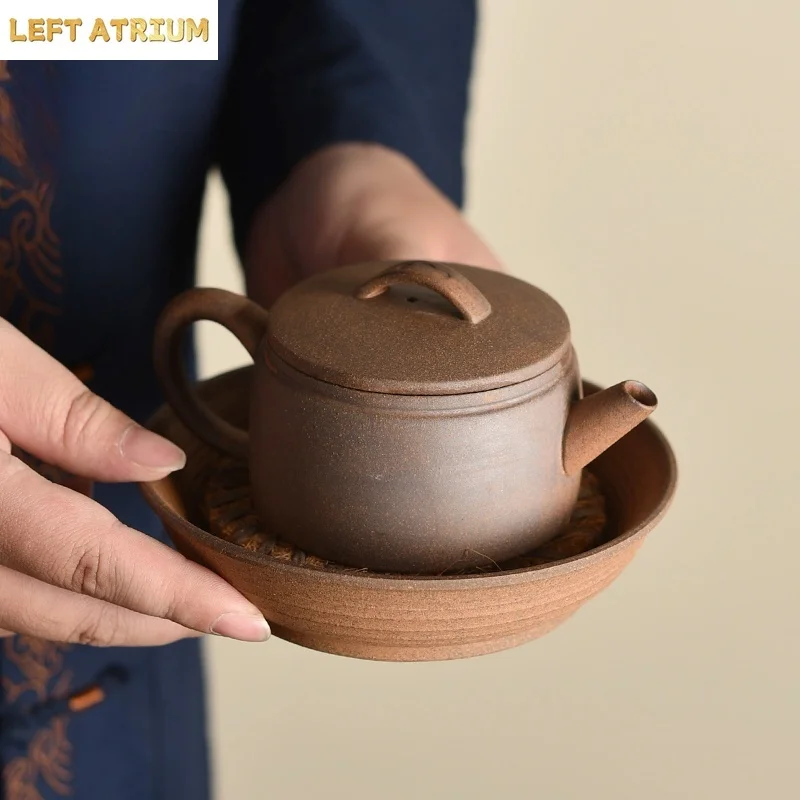
「侘寂壶 · Kurohō」 — 145ml Handmade Coarse Pottery Teapot (Retro Japanese Style · Rustic Clay Body · Gongfu Infuser Pot)

Original price was: $89.99.Current price is: $59.99.
-30%
Select options This product has multiple variants. The options may be chosen on the product page

「创意梨壶 · Hearthdrop」 — 200ml Handmade Yixing Purple Clay Teapot (Raw Ore Zisha · Pear-Shaped Form · Famous Artist Work)

Original price was: $99.99.Current price is: $69.99.
-25%
Select options This product has multiple variants. The options may be chosen on the product page

「刻韵壶 · Carved Harmony」 — 210ml Handmade Yixing Teapot (Raw Ore Zhu Ni Clay · Traditional Carved Form · Built-in Strainer)

Original price was: $119.99.Current price is: $89.99.
-30%
Select options This product has multiple variants. The options may be chosen on the product page

「名家梨壶 · Masterseed」 — 85ml Handmade Yixing Purple Clay Teapot (Raw Ore Zisha · Pear-Shaped Form · Famous Artist Work)

Original price was: $99.99.Current price is: $69.99.
-27%
Select options This product has multiple variants. The options may be chosen on the product page

「呼吸壶 · Breathing Vessel」 — 160ml Master-Crafted Yixing Teapot (Zhu Ni Clay · Dual-Pore Structure · Ming Dynasty Heritage)

Original price was: $109.99.Current price is: $79.99.
-11%
Select options This product has multiple variants. The options may be chosen on the product page

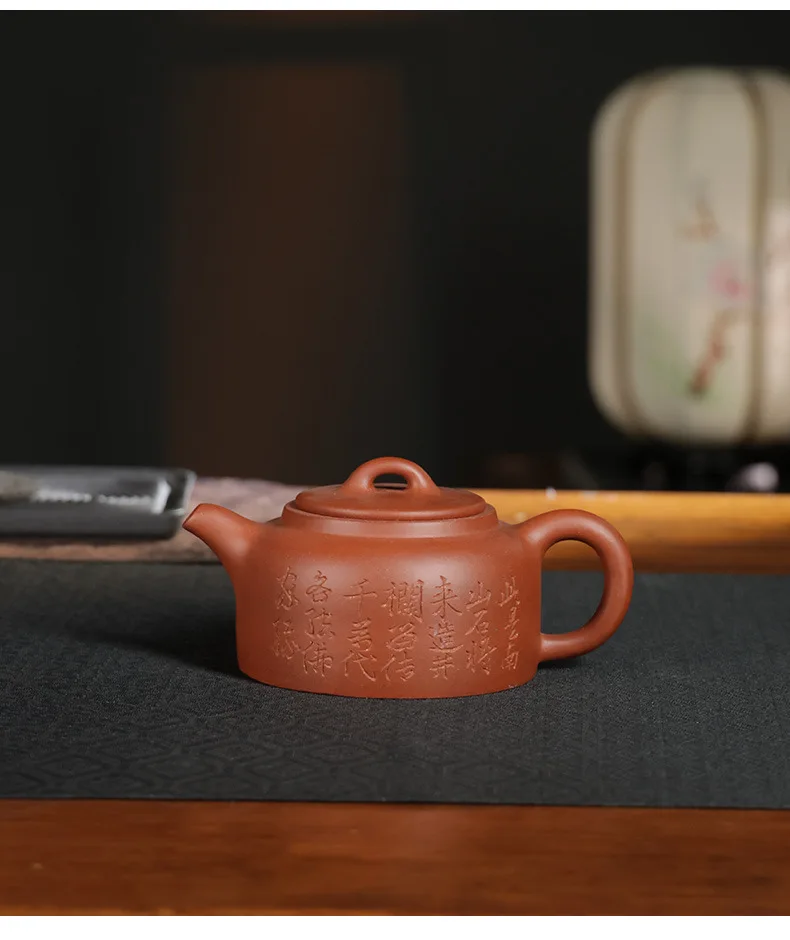
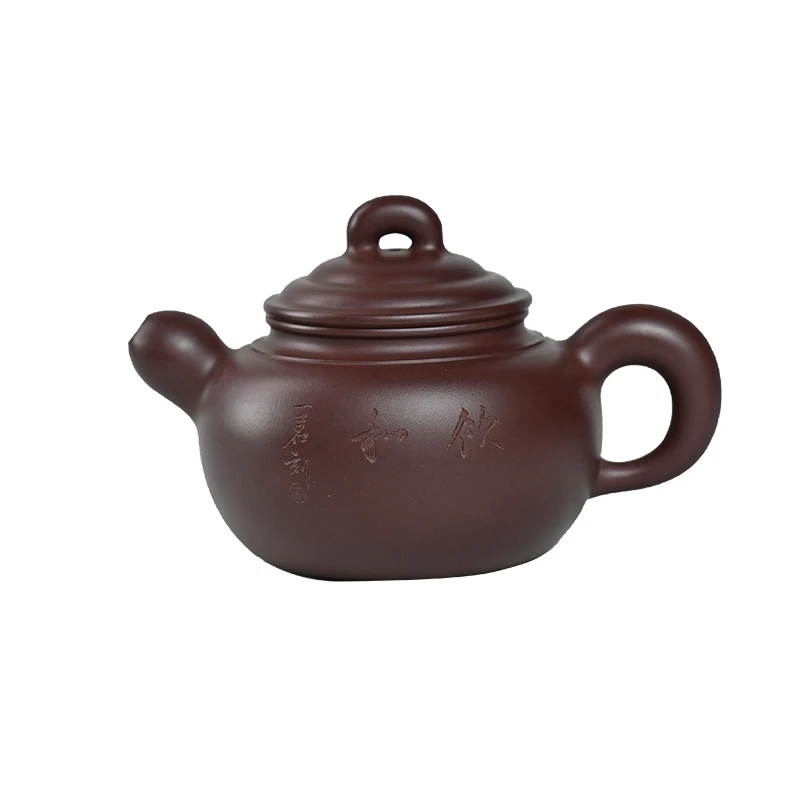
「和饮壶 · Harmony」 — 300ml Master Handmade Yixing Purple Clay Teapot (Raw Ore Zhu Ni · Classic Form · Calligraphy Engraving)

Original price was: $639.99.Current price is: $569.99.
-19%
Select options This product has multiple variants. The options may be chosen on the product page

「大刻壶 · Grand Script」 — 540ml Handmade Yixing Purple Clay Teapot (Raw Ore Purple Mud · Large Capacity · Calligraphy Engraving)

Original price was: $156.87.Current price is: $126.87.
-20%
Select options This product has multiple variants. The options may be chosen on the product page

「大口壶 · Inkroot」 — 180ml Handmade Yixing Purple Clay Teapot (Raw Ore Zisha · Large-Caliber Form · Built-in Filter)

Original price was: $149.99.Current price is: $119.99.

Leave a Reply

Your email address will not be published. Required fields are marked *