Blog
Photographing Tenmoku: Capturing the Cosmic Effect
Photographing Tenmoku
Capturing the Cosmic Effect — Light, Angle & the Art of Revealing a Universe in Glaze
Photographing Tenmoku is unlike photographing any other ceramic glaze. Its surface is alive—shifting with light, angle, and movement. A single bowl can look like a quiet pool of darkness in one moment and a galaxy exploding with iridescent stars in the next. This volatility is part of its magic, but it also makes Tenmoku notoriously difficult to capture. The camera must do more than record; it must interpret. To photograph Tenmoku well is to understand how light interacts with iron crystals, how darkness frames color, and how to reveal the cosmic depth hidden within the glaze. For collectors, artisans, and tea lovers, mastering Tenmoku photography becomes a way of honoring the bowl’s inner universe.
I. Understanding the Glaze Before the Camera
Why Tenmoku Requires Observation Before Technique
Before adjusting lights or lenses, the photographer must first study the bowl itself. Tenmoku glazes behave differently depending on their structure:
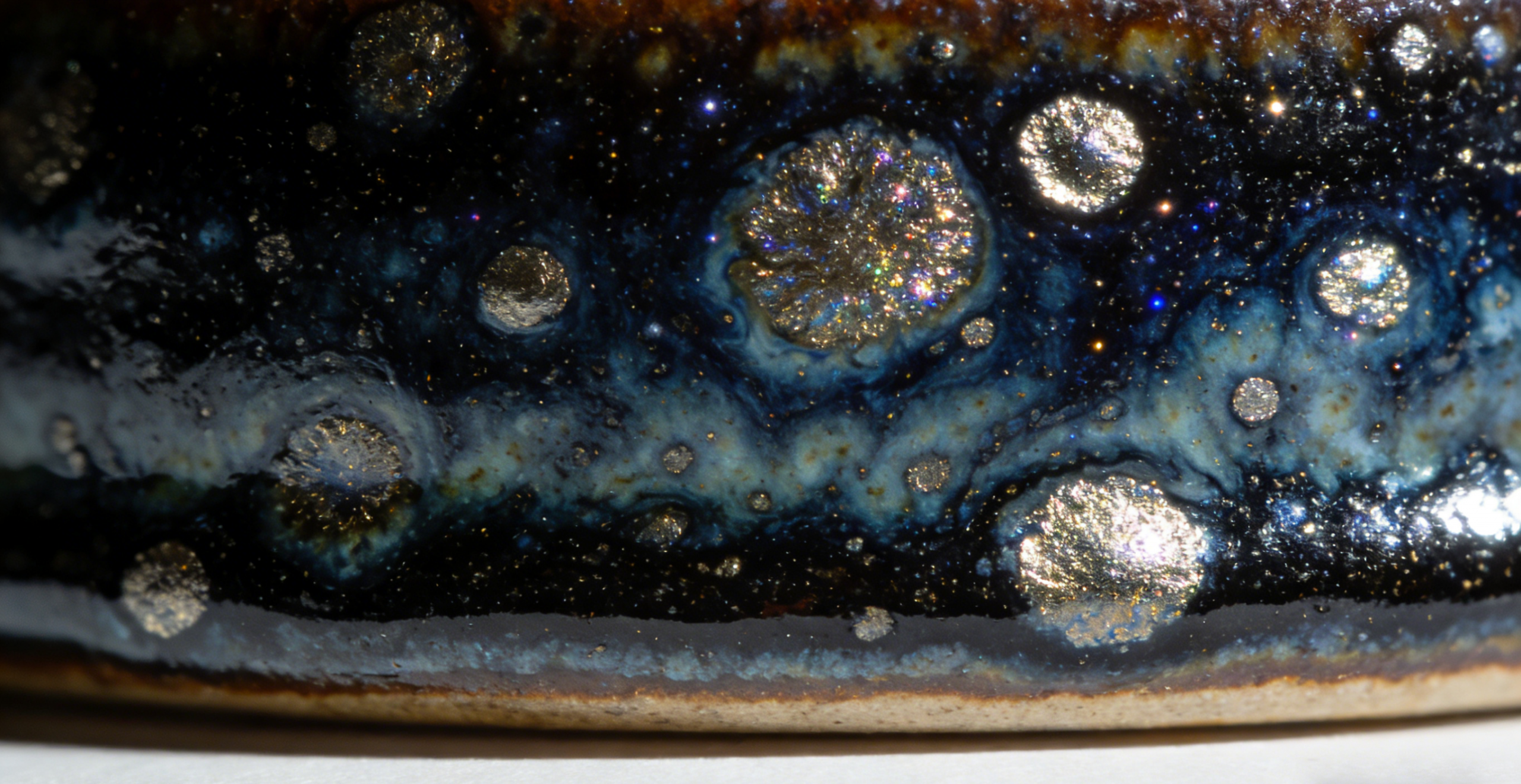
Oil Spot reveals metallic constellations under strong directional light
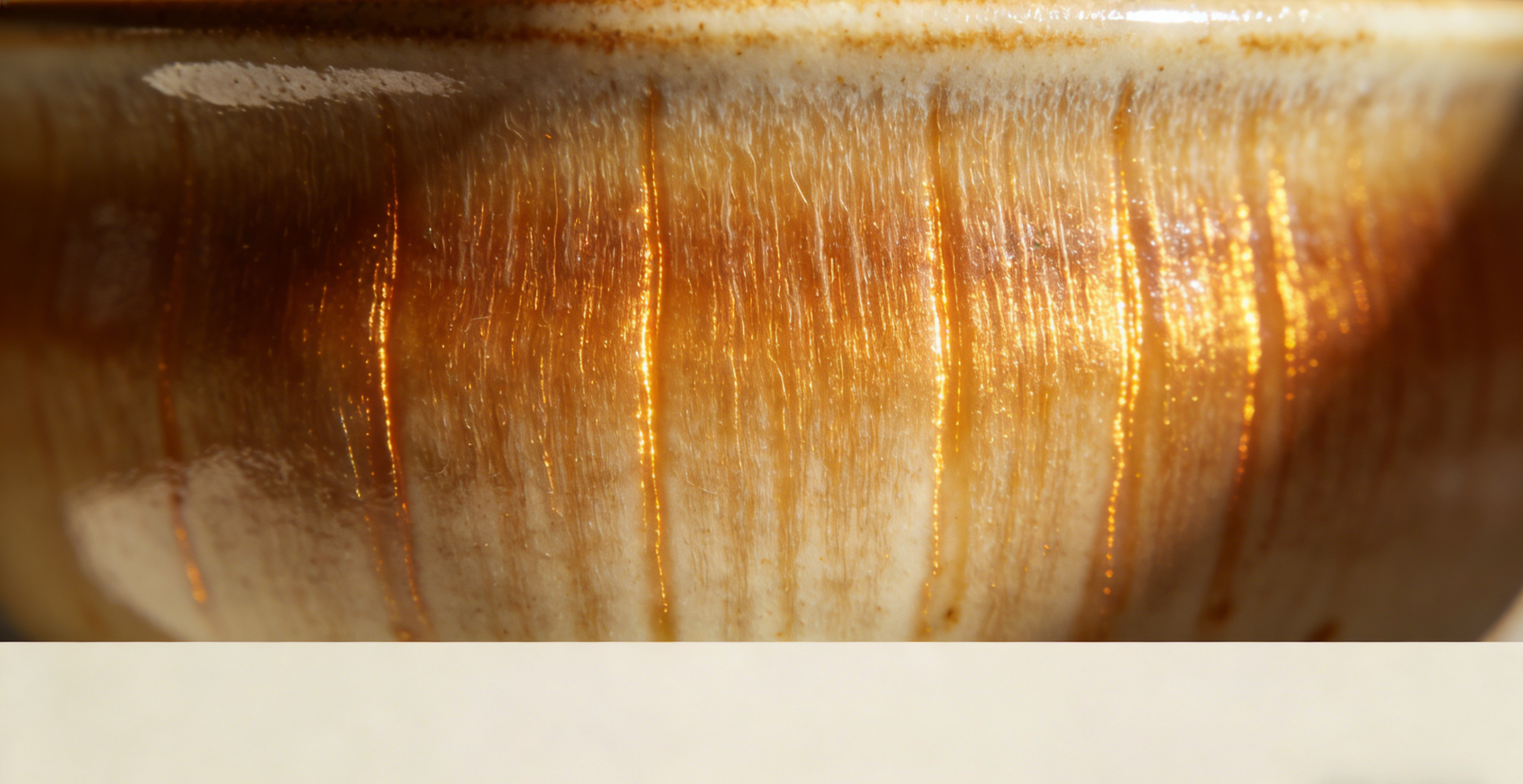
Hare’s Fur shows flowing streaks when light grazes the surface
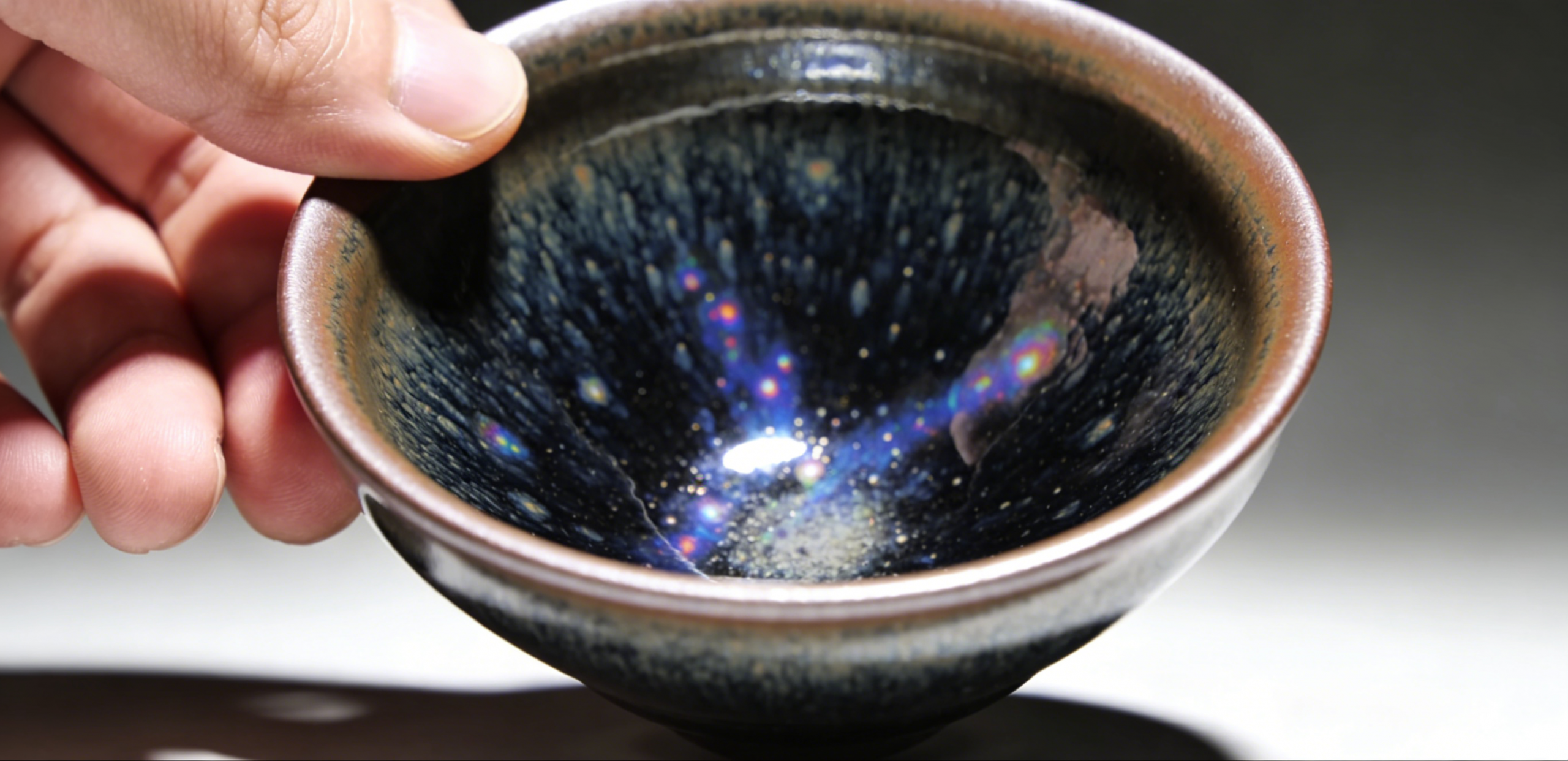
Yohen bursts into iridescent halos under angled illumination
Classic Black reflects like a mirror, requiring careful control of highlights
Each glaze has a “sweet spot” where its personality emerges. Finding this sweet spot is the first step.
Photographing Tenmoku is not about forcing the glaze to reveal itself—it is about discovering how it wants to be seen.
II. Light: The Key to Unlocking the Cosmic Effect
Directional, Soft, Grazing & Backlight — Each Reveals a Different Universe
Light is everything in Tenmoku photography. Different lighting styles reveal different layers of the glaze:
Directional light
reveals metallic spots
enhances iridescence
creates dramatic contrast
Soft diffused light
highlights subtle undertones
reduces harsh reflections
ideal for classic black Tenmoku
Grazing light
perfect for Hare’s Fur
emphasizes vertical streaks and molten flow
Backlighting
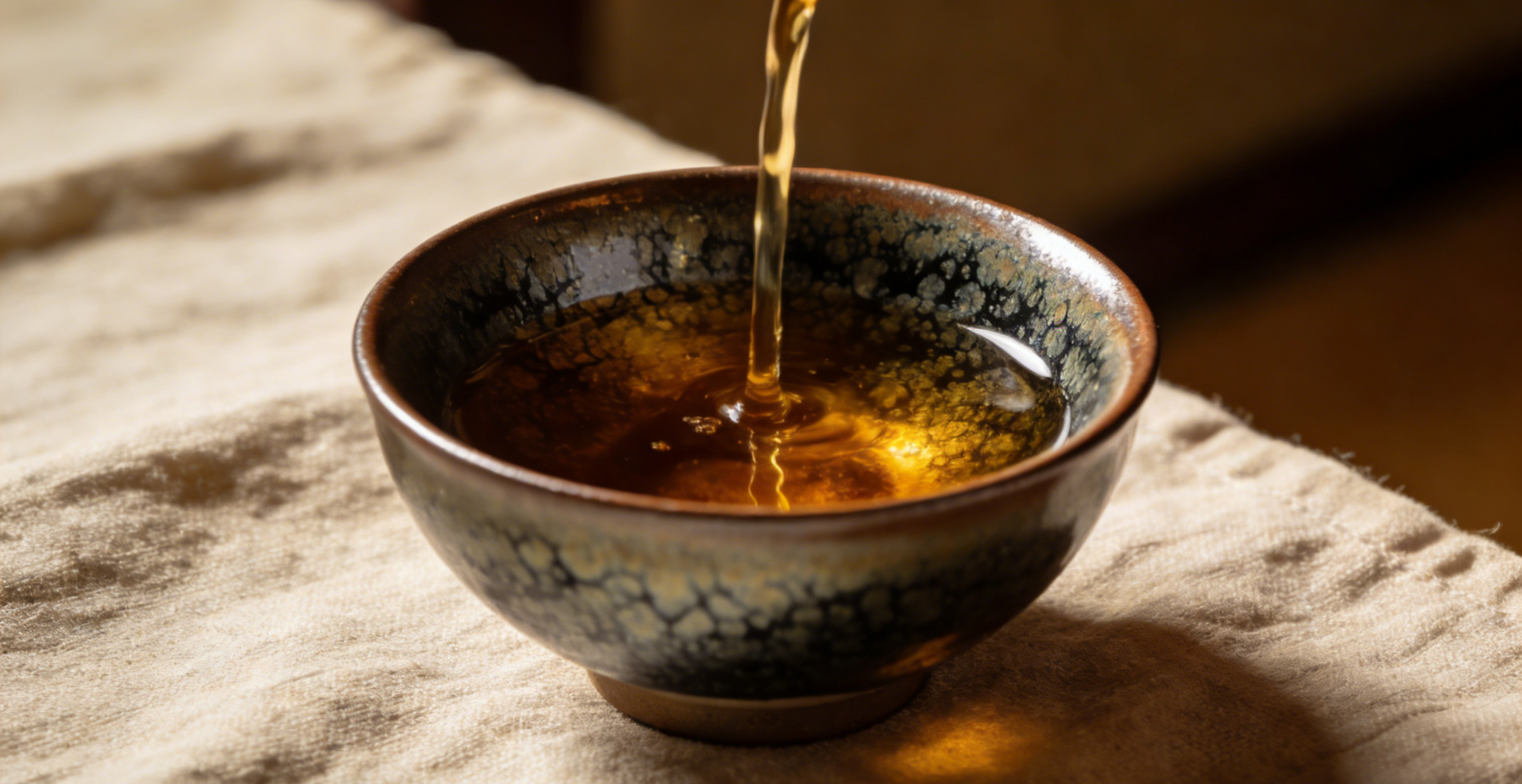
makes tea liquor glow
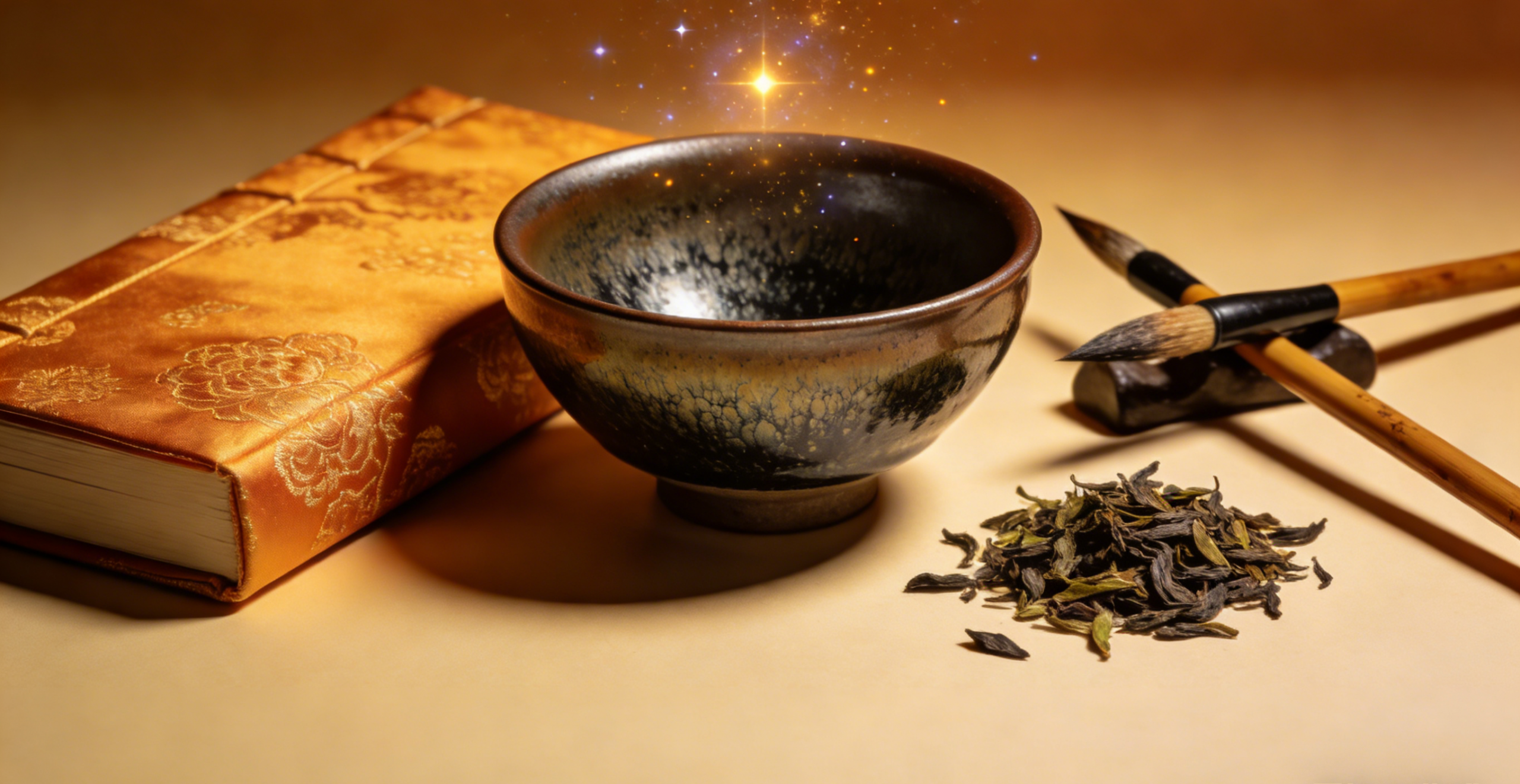
creates a cosmic halo effect inside the bowl
The photographer becomes a kind of astronomer—adjusting light to reveal stars, nebulae, and cosmic fields hidden in the glaze.
III. Angle & Movement
How Tilting the Bowl Changes the Entire Universe Inside It
Tenmoku glazes are angle‑dependent. A slight tilt can transform the bowl:
spots brighten or disappear
halos shift from blue to purple to gold
streaks lengthen or compress
reflections move like drifting clouds
This is why Tenmoku photography often involves slow, deliberate movement—rotating the bowl, adjusting the camera height, and watching how the glaze responds.
Key angles include:
low angle for cosmic depth
45° angle for balanced reflection
top‑down for symmetry and pattern clarity
side grazing for texture and streaks
The goal is not to capture everything, but to capture the bowl’s most expressive moment.
IV. Creating Atmosphere: Background, Props & Emotional Tone
Why Tenmoku Photography Is Also Storytelling
Tenmoku is not only visual—it is emotional. The setting around the bowl shapes how the viewer perceives the glaze.
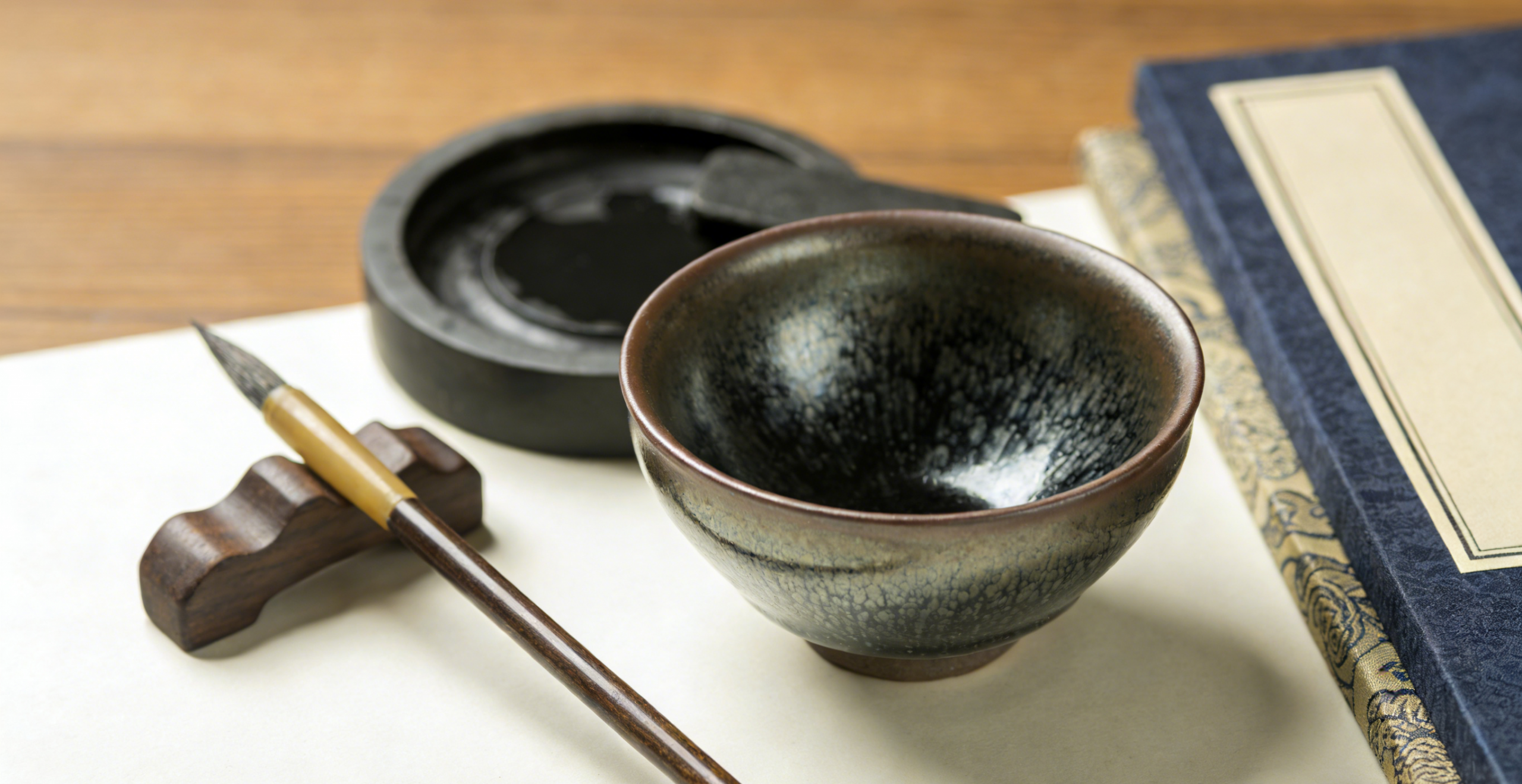
Dark wood enhances cosmic depth. Linen cloth softens the mood. Calligraphy tools evoke cultural lineage. Minimalist backgrounds highlight glaze complexity. Tea liquor adds warmth and life.
The photograph becomes a small universe: a bowl, a beam of light, a quiet moment.
Good Tenmoku photography does not just show the glaze—it communicates the feeling of holding a galaxy in your hands.

Closing Reflections
A Camera, a Bowl & the Quiet Art of Revealing Light in Darkness
Photographing Tenmoku is a practice of patience, observation, and sensitivity. It requires understanding how light behaves on darkness, how crystals respond to angle, and how emotion emerges from visual depth. When done well, the photograph becomes more than documentation—it becomes a translation of wonder. A way of sharing the cosmic beauty that lives inside a single bowl. A reminder that even in darkness, there is infinite light waiting to be revealed.
Curated Pieces, Crafted Purpose
Explore the selections below—where craftsmanship meets desire, and your tea table finds its fire.
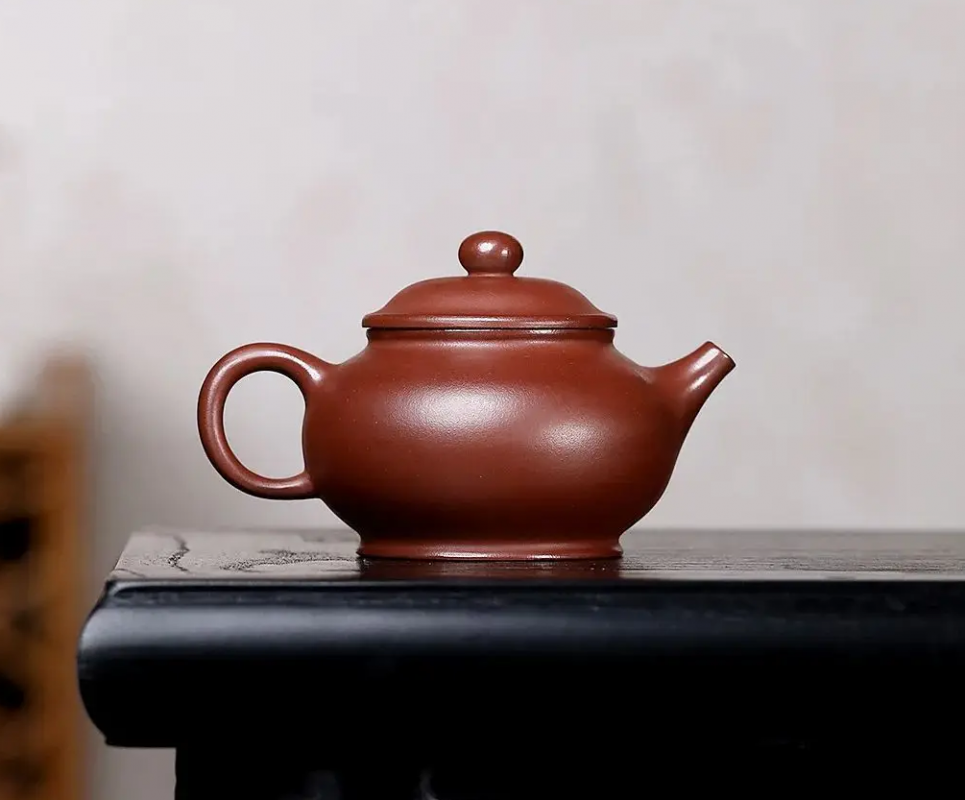
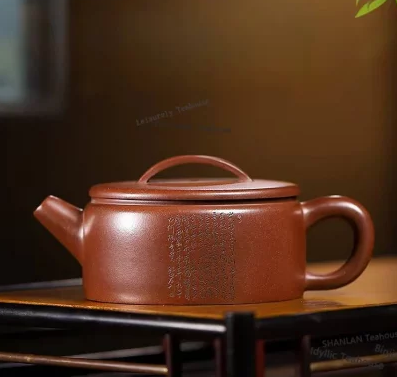
「井栏花鸟 · Well Fence Harmony」 — 130ml Boutique Handmade Yixing Purple Clay Teapot | Well Fence Form with Flowers & Birds Engraving · Raw Ore Red Downhill Mud · Zisha Gongfu Gift Edition
「井栏龙韵 · Well Fence Harmony」 — 240ml Handmade Yixing Purple Clay Teapot | Well Fence Form · Raw Ore Red Leather Dragon Mud · Zisha Gongfu Tea Set
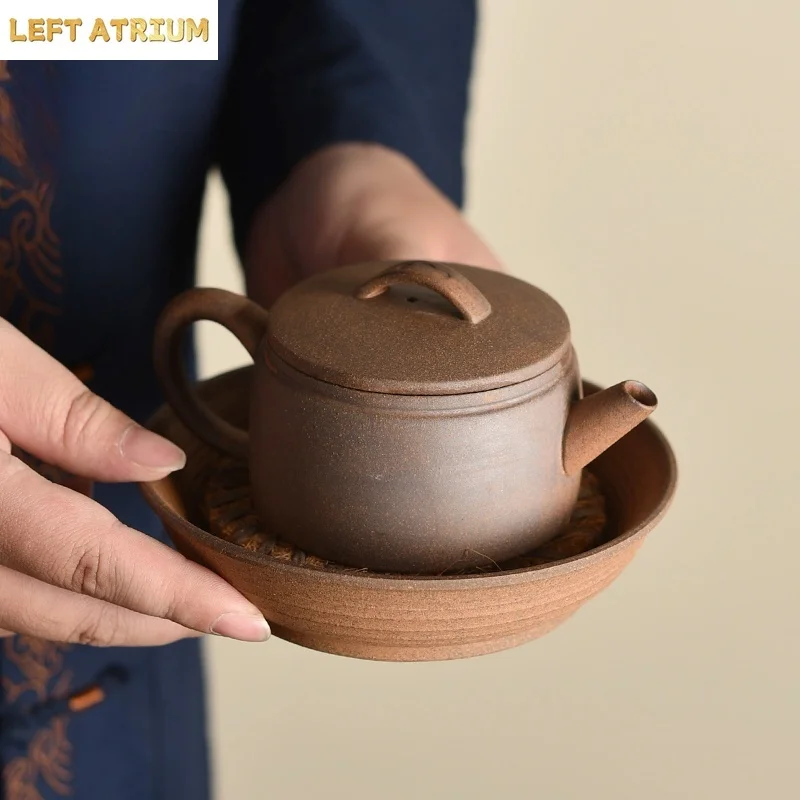
「侘寂壶 · Kurohō」 — 145ml Handmade Coarse Pottery Teapot (Retro Japanese Style · Rustic Clay Body · Gongfu Infuser Pot)
「供春壶 · Tribute to the Roots」 — 140ml Handmade Yixing Purple Clay Teapot (Gong Chun Style · Raw Ore Zisha · Mesh Filter · Folk Artisan Work)
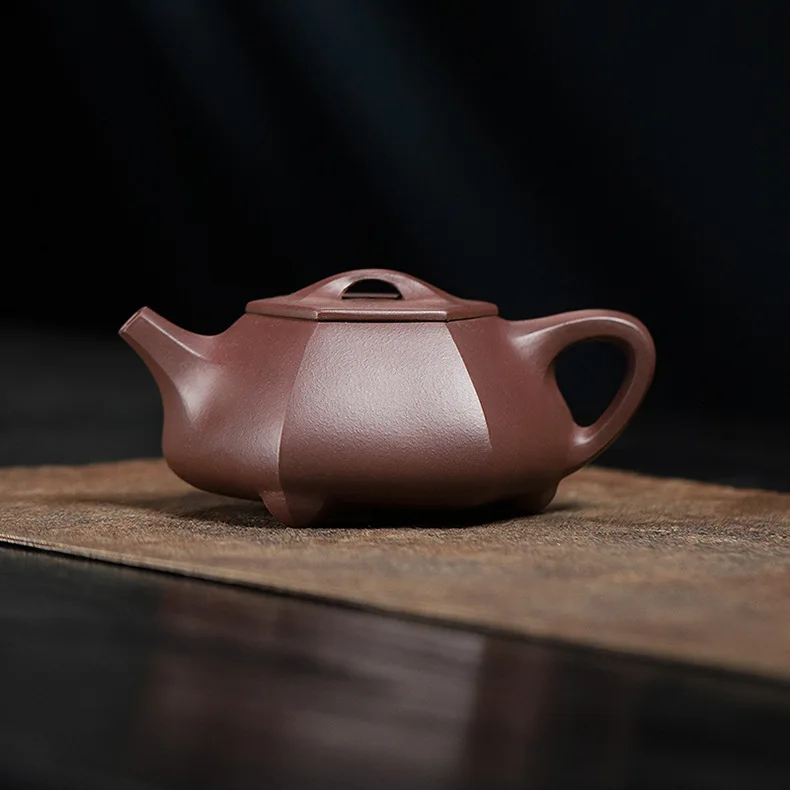
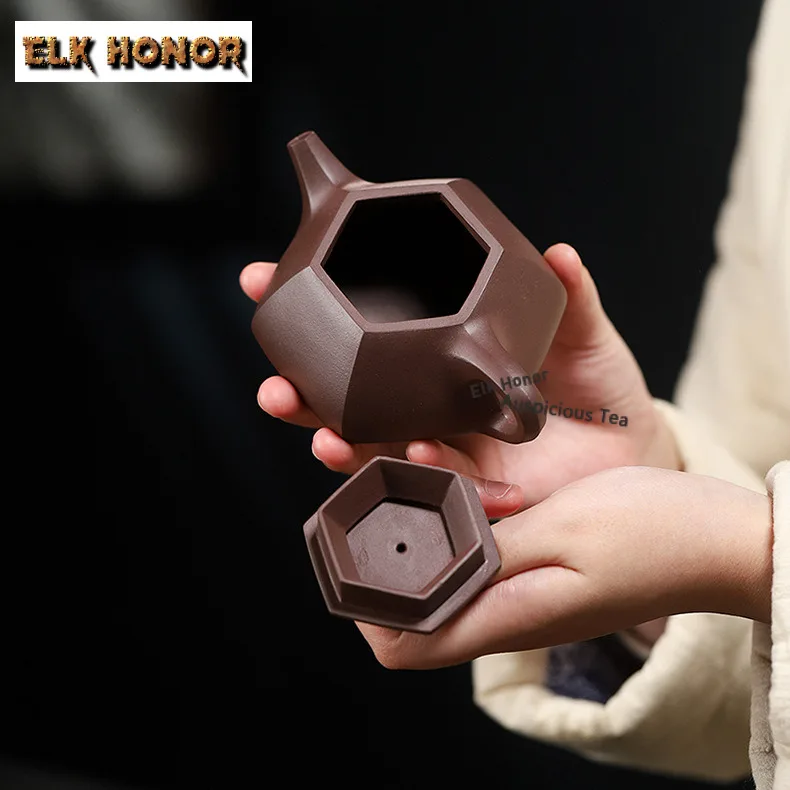
「六方石瓢 · HexaScoop」 — 200ml Handmade Yixing Purple Clay Teapot | Hexagonal Stone Scoop Form · Raw Ore Zisha · Vintage Gongfu Teaware Gift Edition
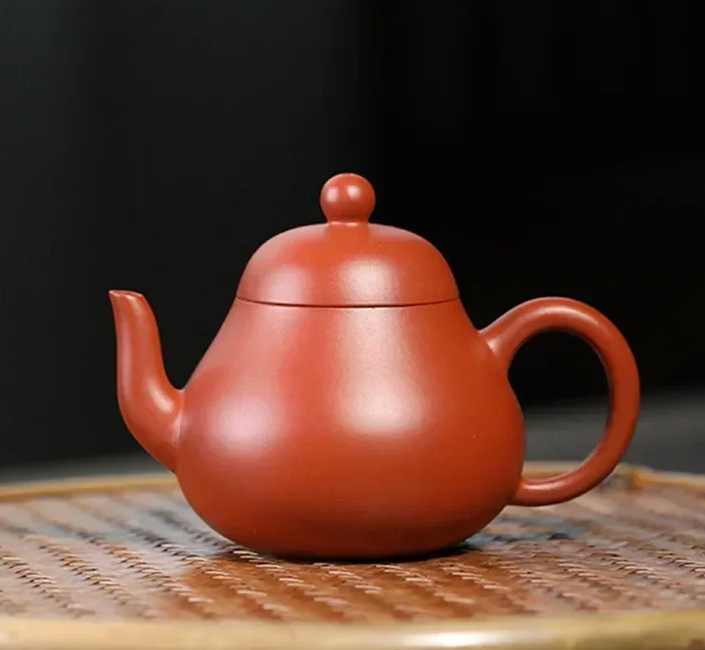
「创意梨壶 · Hearthdrop」 — 200ml Handmade Yixing Purple Clay Teapot (Raw Ore Zisha · Pear-Shaped Form · Famous Artist Work)
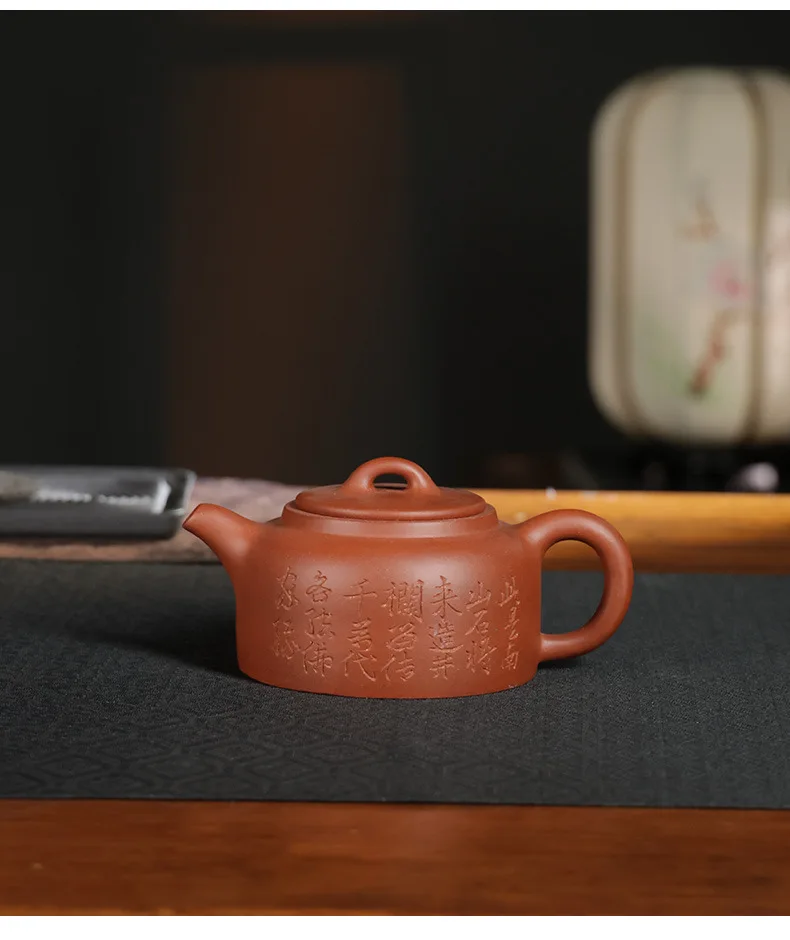
「刻韵壶 · Carved Harmony」 — 210ml Handmade Yixing Teapot (Raw Ore Zhu Ni Clay · Traditional Carved Form · Built-in Strainer)
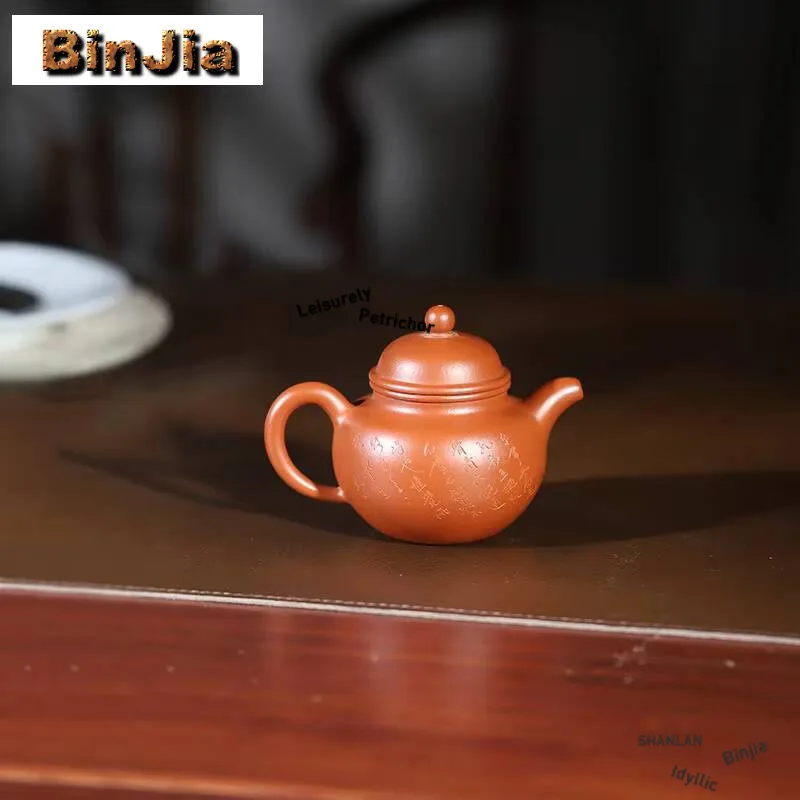
「名家梨壶 · Masterseed」 — 85ml Handmade Yixing Purple Clay Teapot (Raw Ore Zisha · Pear-Shaped Form · Famous Artist Work)
「呼吸壶 · Breathing Vessel」 — 160ml Master-Crafted Yixing Teapot (Zhu Ni Clay · Dual-Pore Structure · Ming Dynasty Heritage)
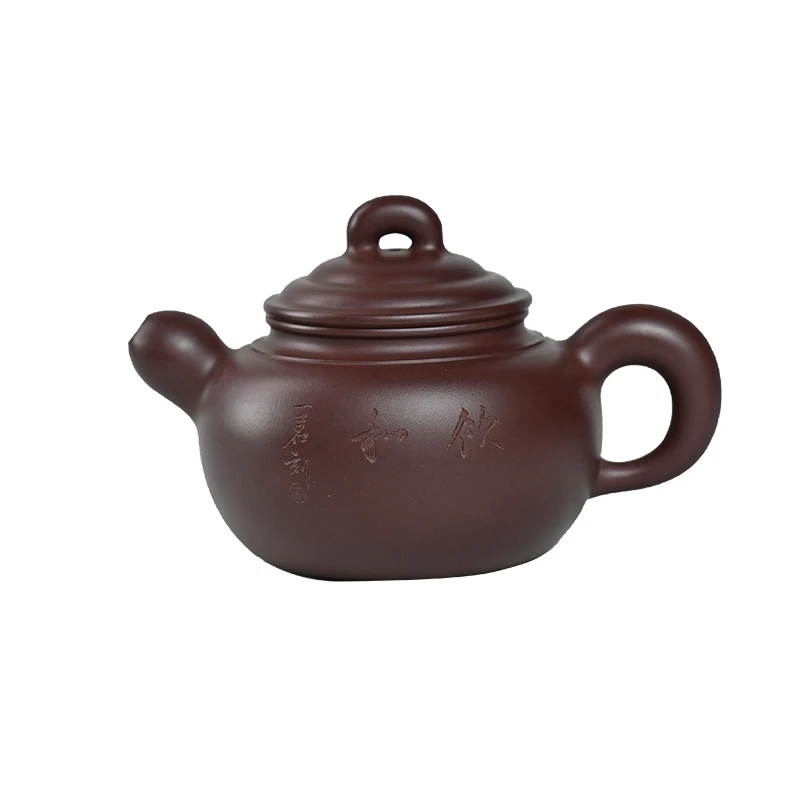
「和饮壶 · Harmony」 — 300ml Master Handmade Yixing Purple Clay Teapot (Raw Ore Zhu Ni · Classic Form · Calligraphy Engraving)
「大刻壶 · Grand Script」 — 540ml Handmade Yixing Purple Clay Teapot (Raw Ore Purple Mud · Large Capacity · Calligraphy Engraving)