
Tea Tools & Space

Visual System for Teaware: Cohesion & Style

Visual System for Teaware

Cohesion & Style — How a Unified Aesthetic Transforms the Tea Table into a Living Work of Art

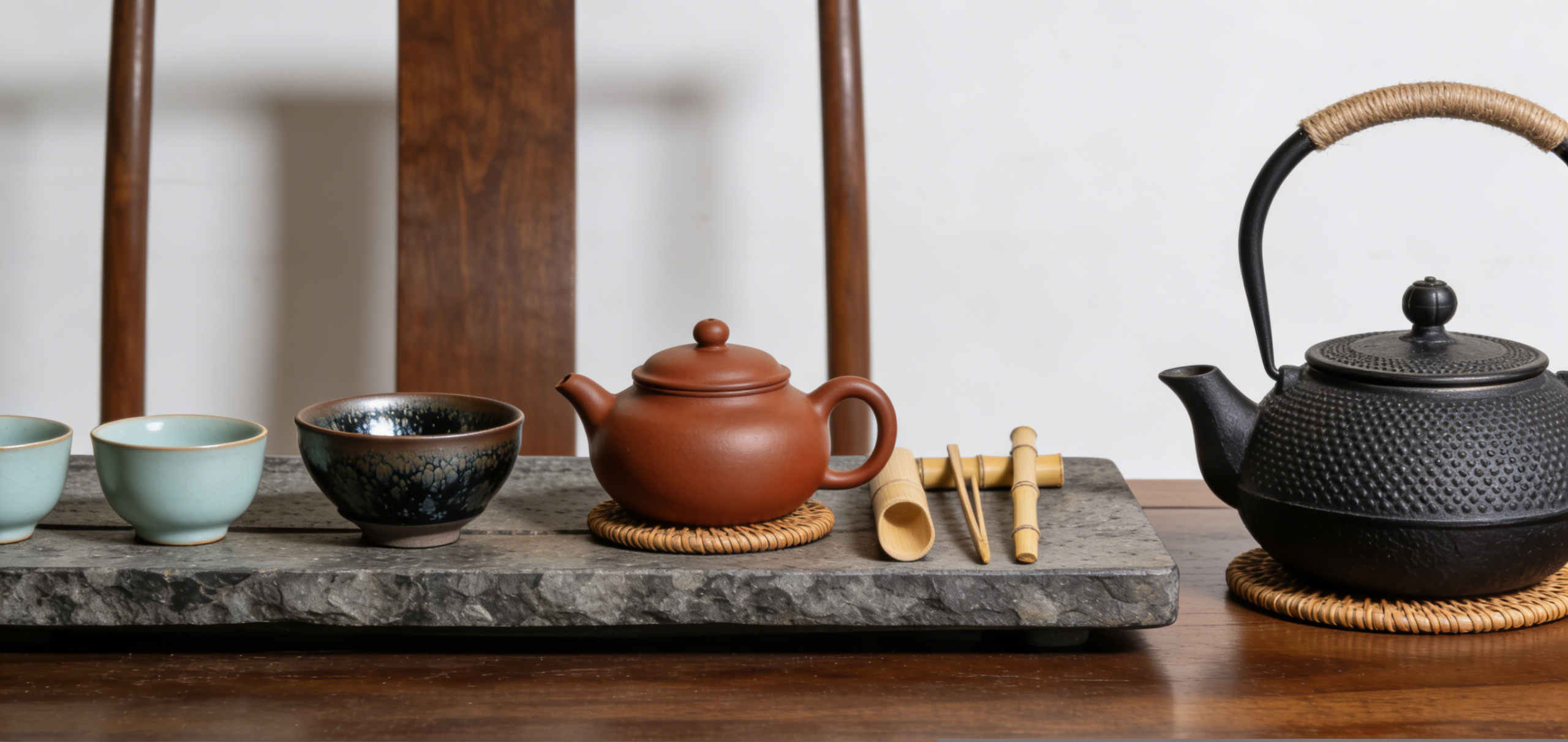
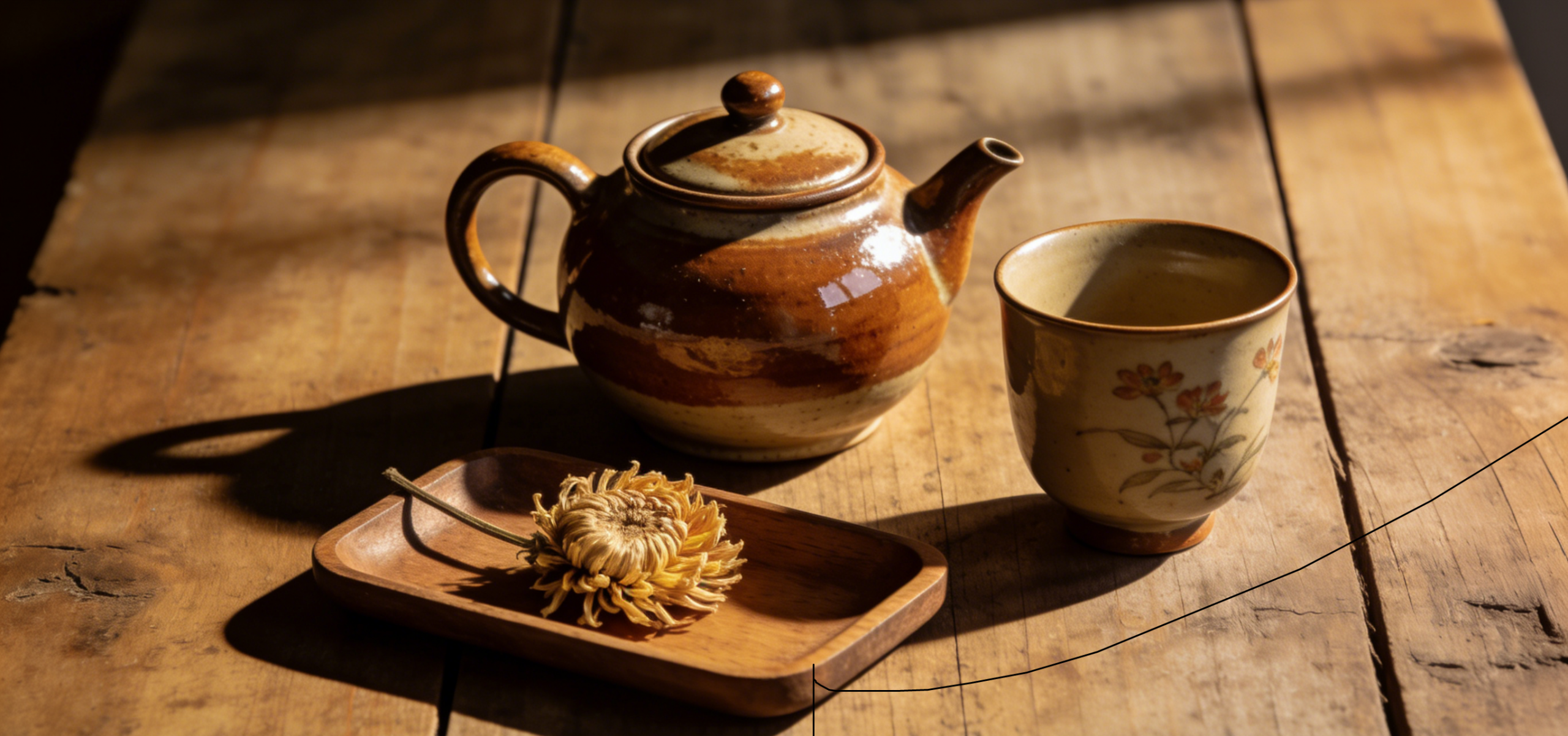
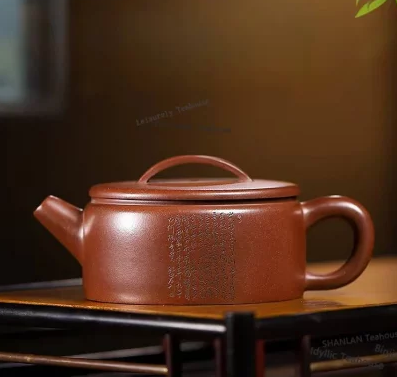
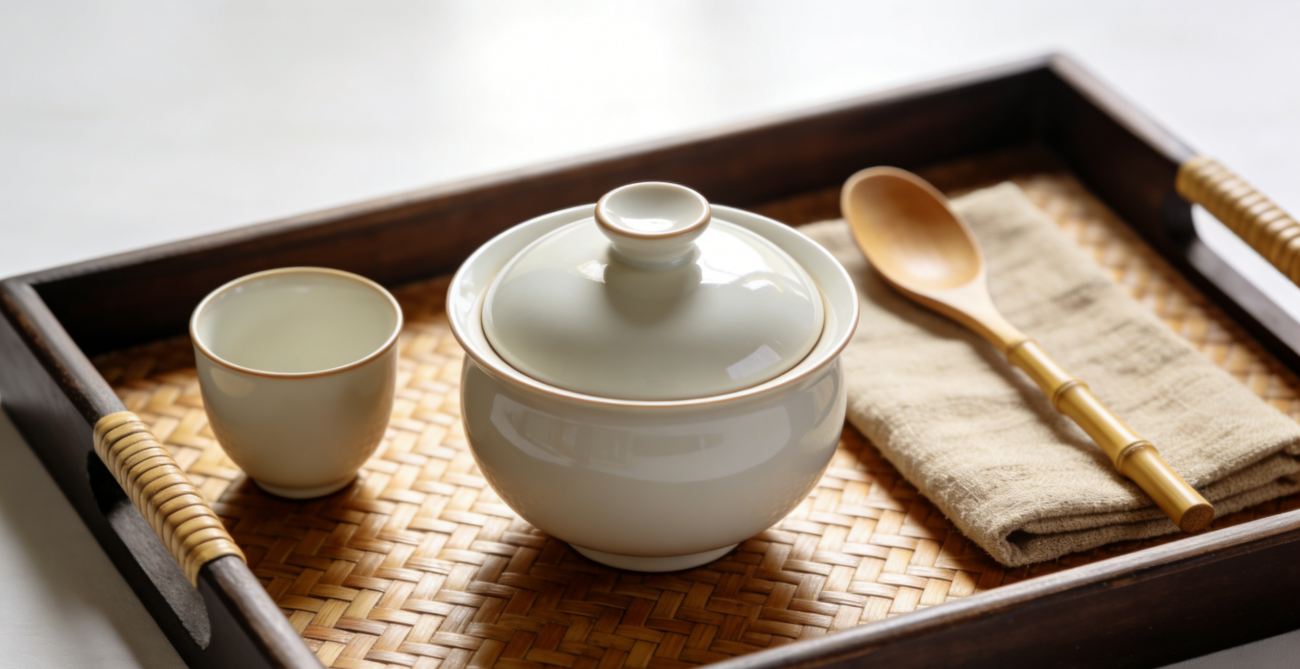
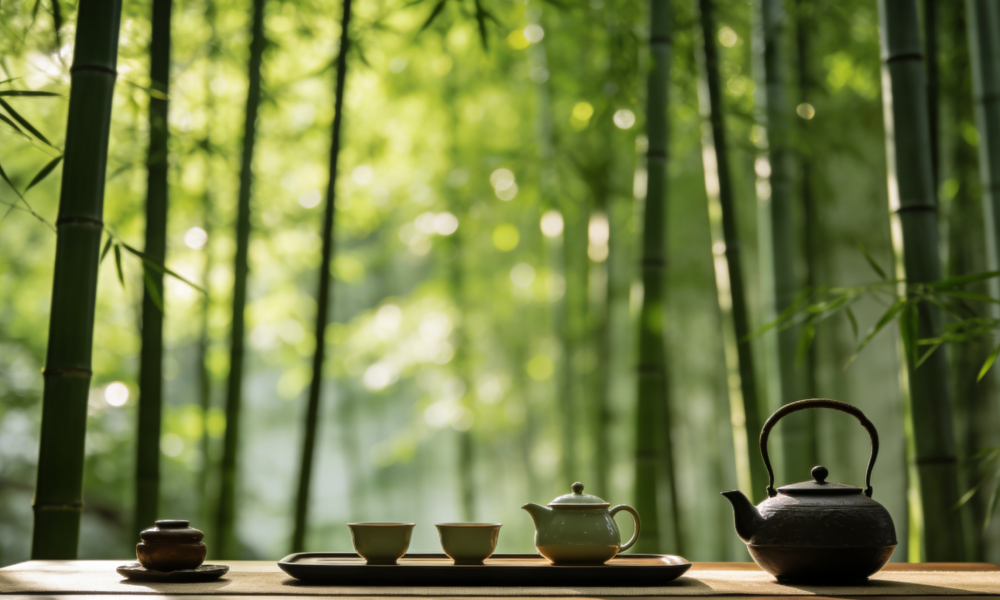
Before water meets leaf, before fragrance rises from the pot, the tea table already speaks. It speaks through color, through texture, through the quiet dialogue between materials and forms. A Yixing teapot beside a Tenmoku bowl, a bamboo scoop resting on a stone tray, a celadon cup catching the morning light—each object carries its own voice. But when these voices harmonize, when the teaware forms a coherent visual system, the tea table becomes more than a functional space. It becomes a living composition, a landscape of intention, a reflection of the brewer’s inner world.

A visual system is not about matching for the sake of matching. It is about resonance. It is about the way warm clay balances cool glaze, the way wood softens stone, the way a single color thread—earthy red, deep black, pale green—can unify a session. It is about creating a space where the senses can rest, where the mind can settle, where the ritual of tea becomes an experience of beauty. In this sense, the visual system of teaware is not merely aesthetic—it is emotional, philosophical, and deeply human. It reveals how we see the world, how we arrange our lives, and how we choose to meet each moment with presence.

I. The Foundations of Visual Harmony — Color, Material, and the Quiet Logic of the Tea Table

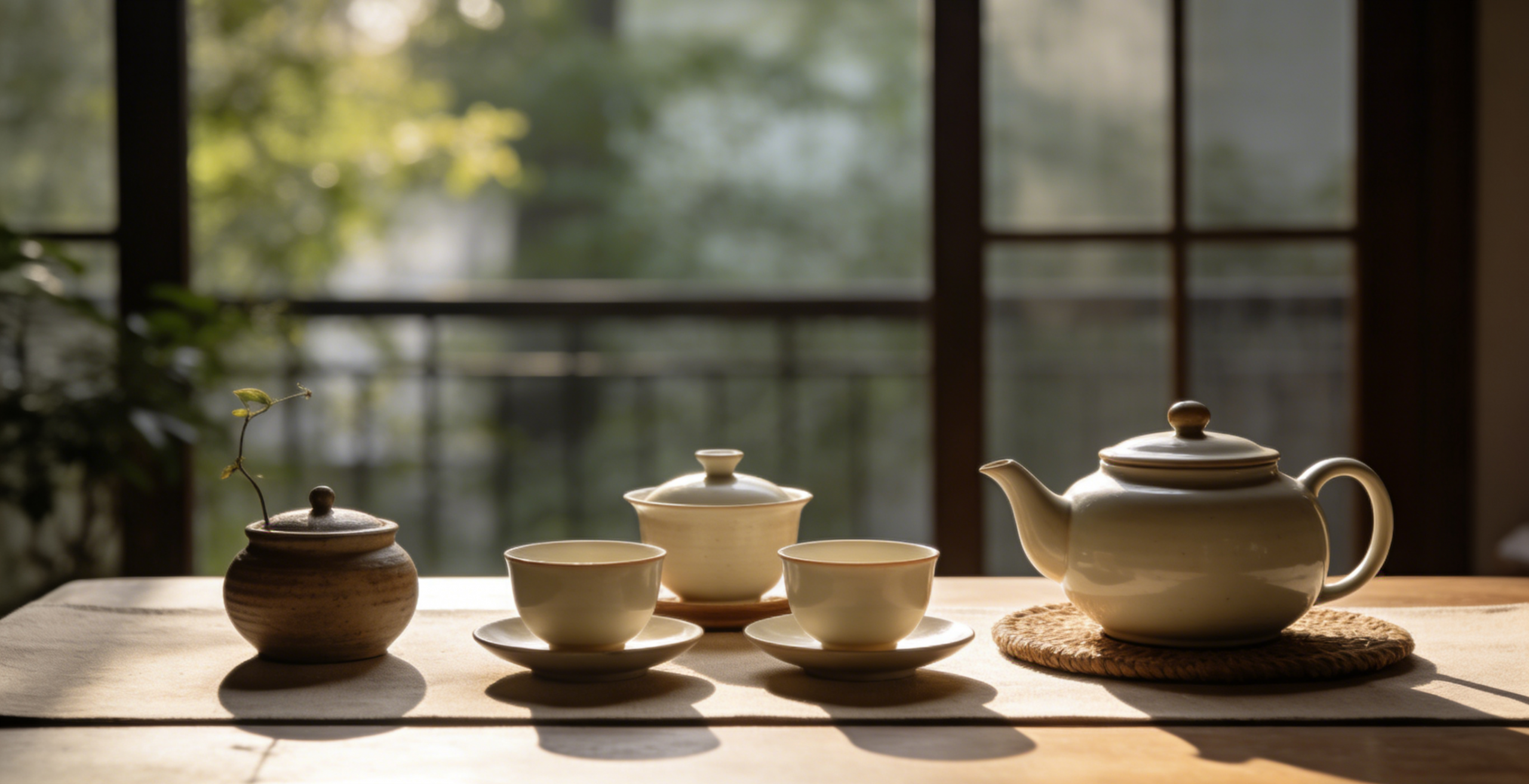
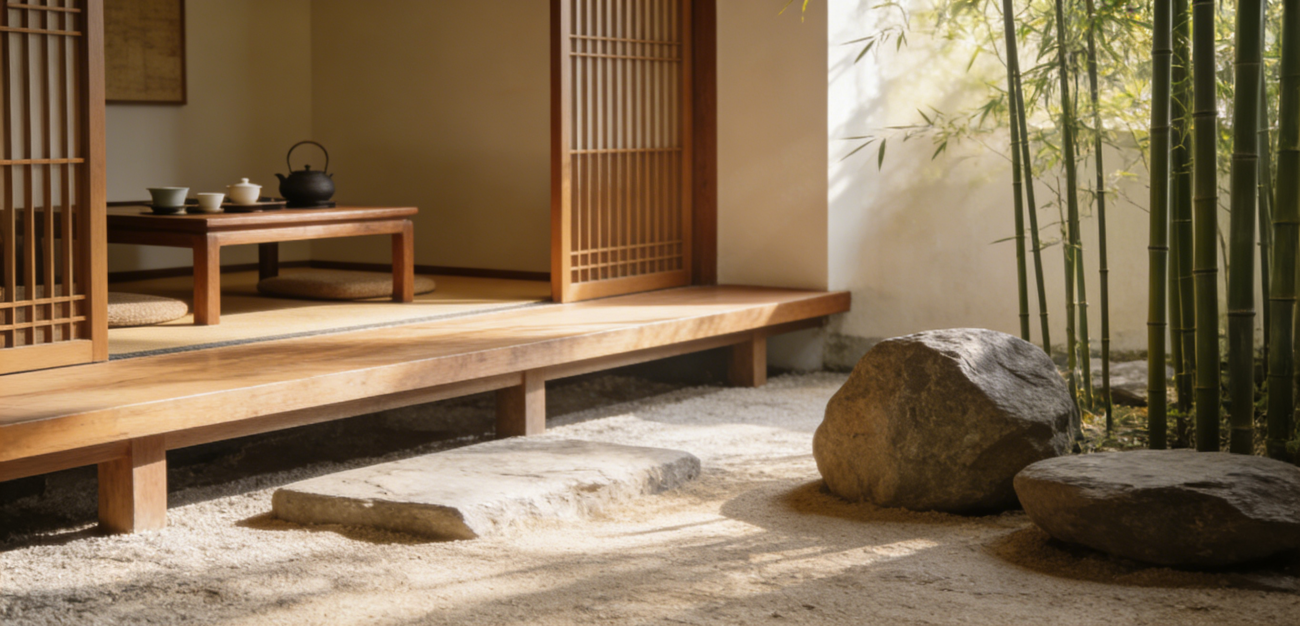
Every tea session begins with a visual foundation. Before the first pour, the eye takes in the arrangement of objects—their tones, their textures, their relationships. A harmonious tea table does not overwhelm; it invites. It creates a sense of coherence that allows the mind to relax and the senses to open.

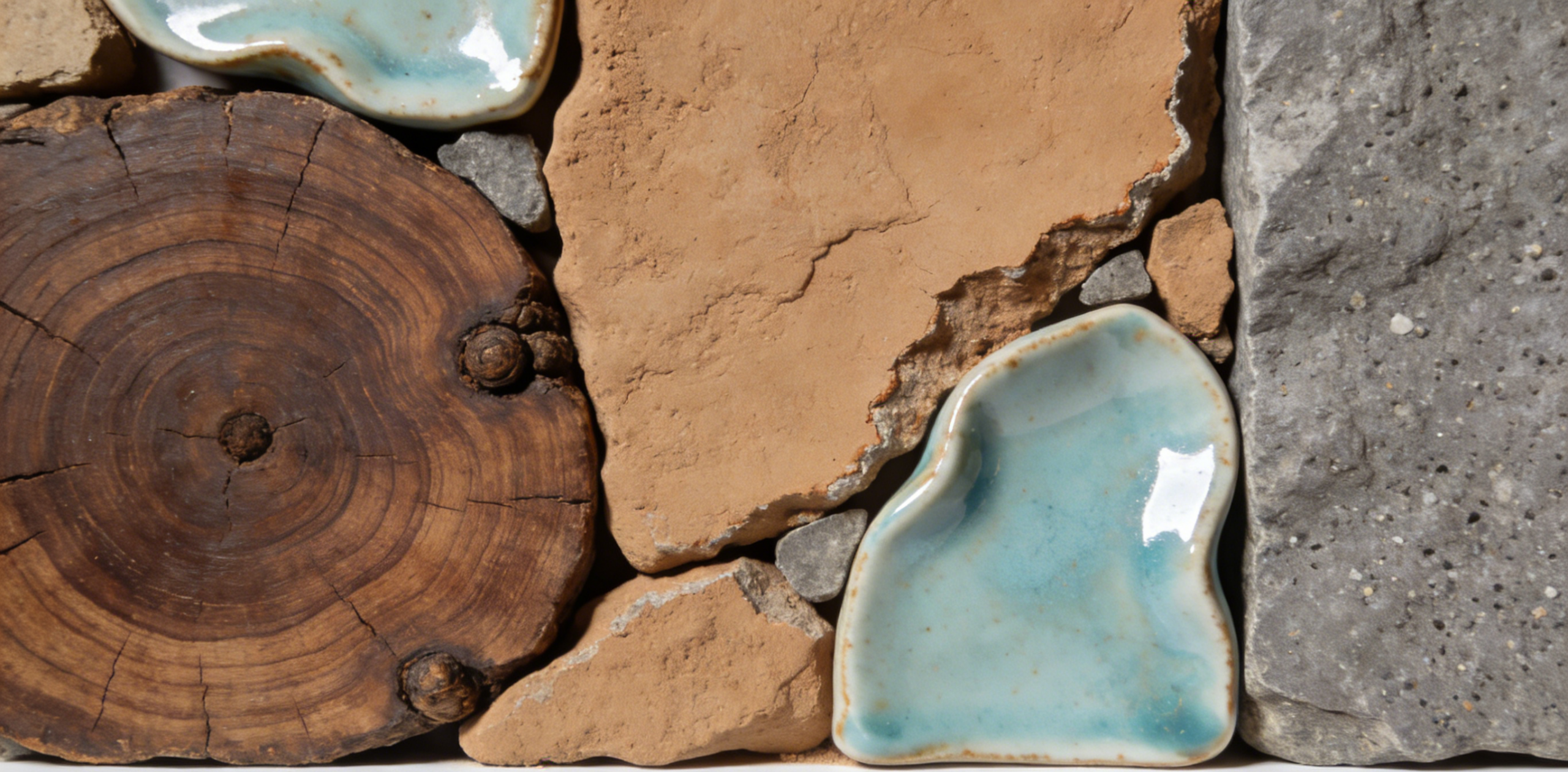
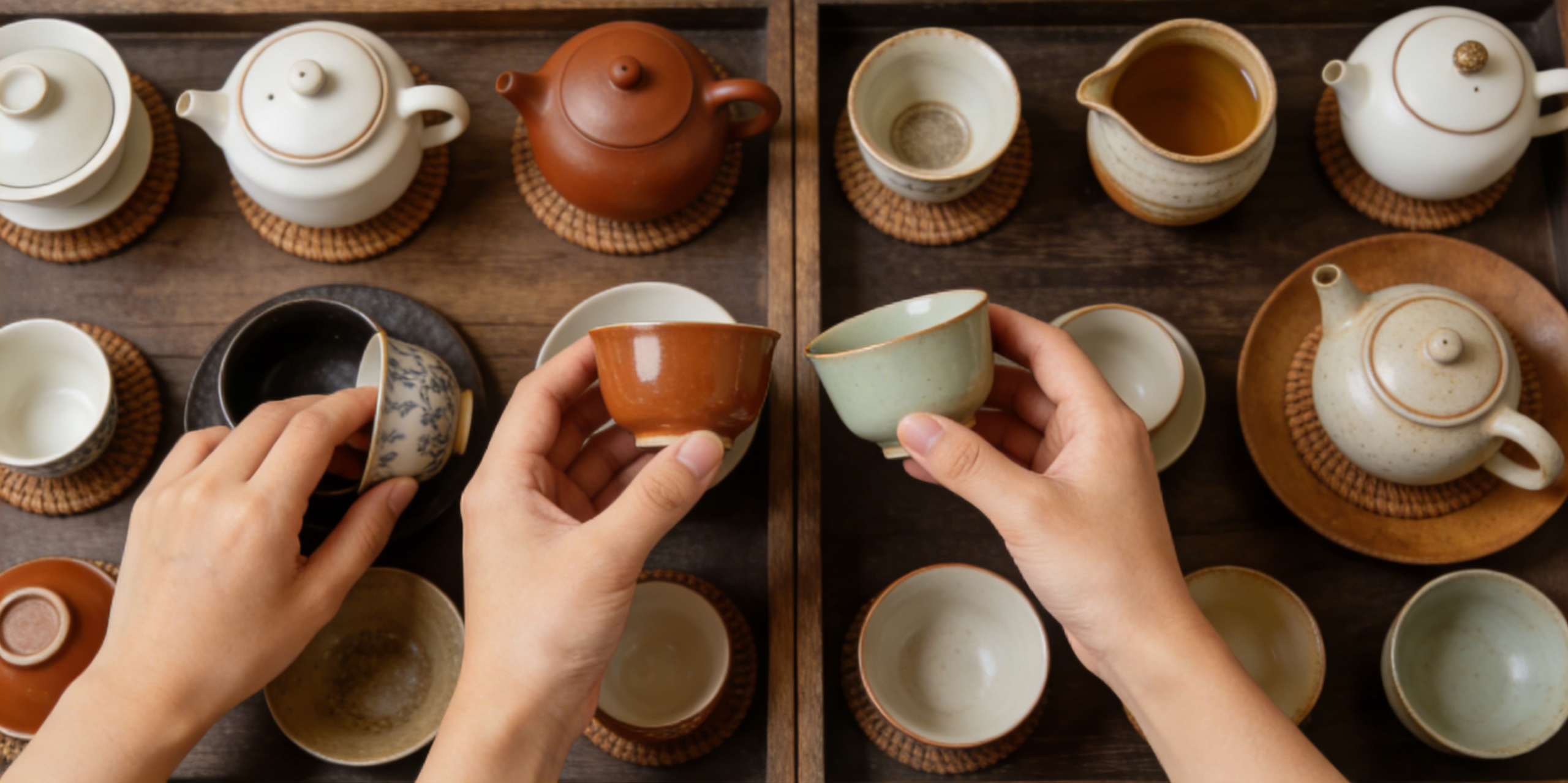
Color is often the first thread of harmony. The deep red of Yixing clay pairs naturally with the dark sheen of Tenmoku glaze, creating a palette of warmth and depth. Celadon introduces softness, a gentle green that echoes spring leaves. Porcelain brings clarity, its white surface offering contrast and purity. Stone adds grounding; bamboo adds breath. When these materials are chosen with intention, they form a visual language that feels effortless, even though it is anything but accidental.

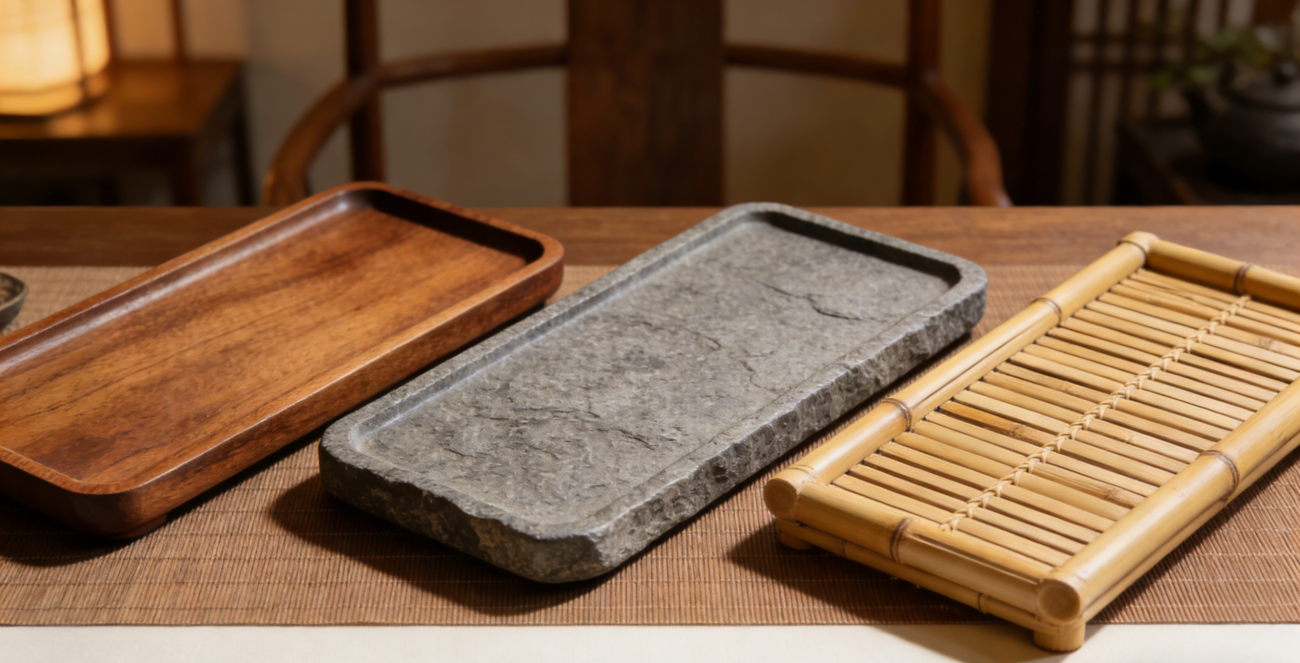
Material, too, shapes the emotional tone. A wooden tray creates warmth; a stone tray creates stillness. A glass pitcher introduces transparency; a clay pot introduces earthiness. Each material carries its own temperament, and the art lies in arranging them so that no single voice dominates. The tea table becomes a conversation—balanced, respectful, harmonious.

II. Rhythm and Flow — How Arrangement Shapes the Experience of Tea

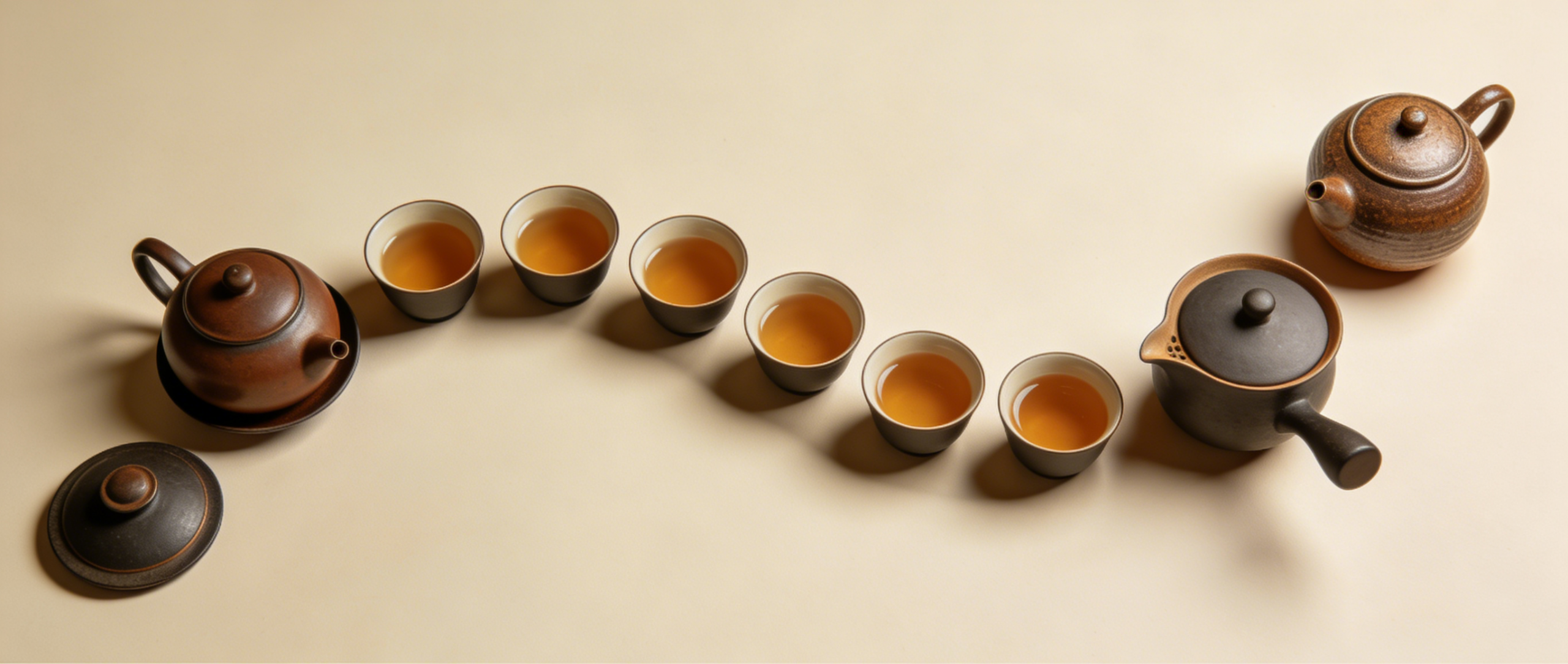
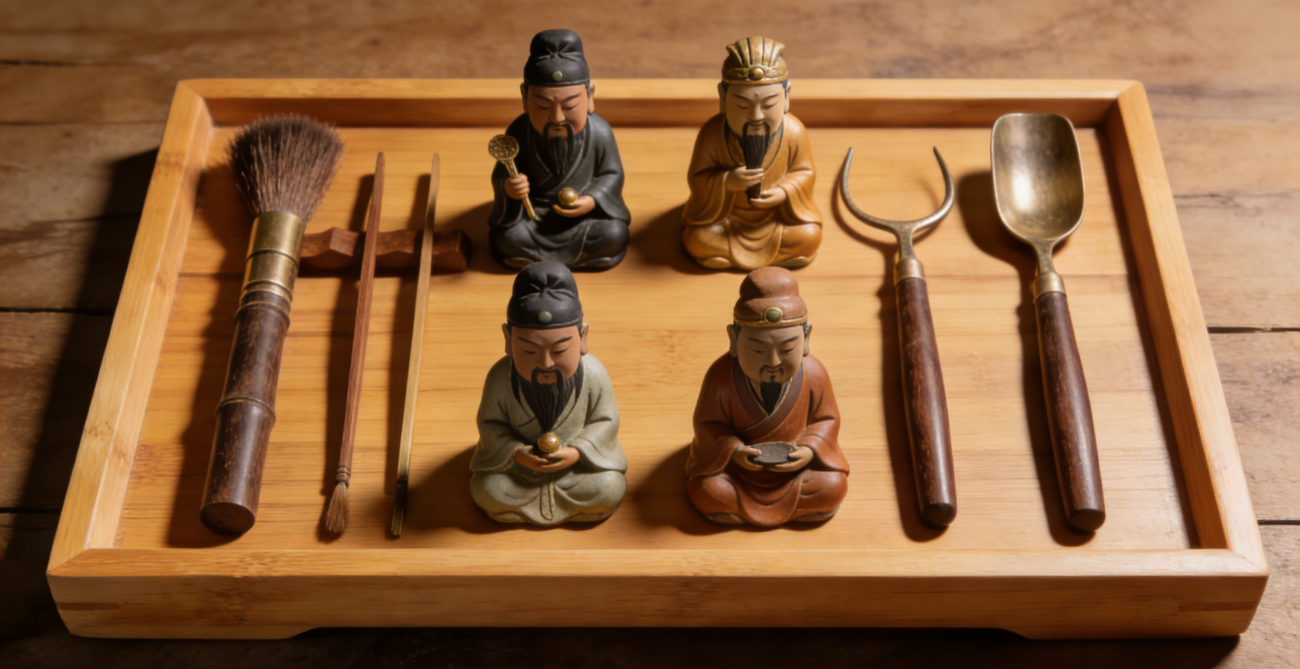
A visual system is not only about what objects are present, but how they move together. The placement of the teapot, the angle of the cups, the resting place of the scoop—these choices shape the rhythm of the session. A well‑arranged tea table feels like a landscape with natural pathways. The hand moves without hesitation; the eye travels without interruption.

This rhythm is not rigid. It is fluid, like the movement of water. The brewer learns to sense where objects want to be—how the gaiwan aligns with the fairness pitcher, how the cups form a gentle arc, how the tools rest in quiet readiness. When the arrangement flows, the session flows. The gestures become smoother, the atmosphere calmer, the tea more expressive.

In this way, the visual system becomes a form of choreography. It guides the body, shapes the breath, and creates a sense of continuity from one infusion to the next. It transforms the tea table into a stage where every movement feels intentional, graceful, and alive.

III. Emotional Cohesion — How Style Reflects the Brewer’s Inner World

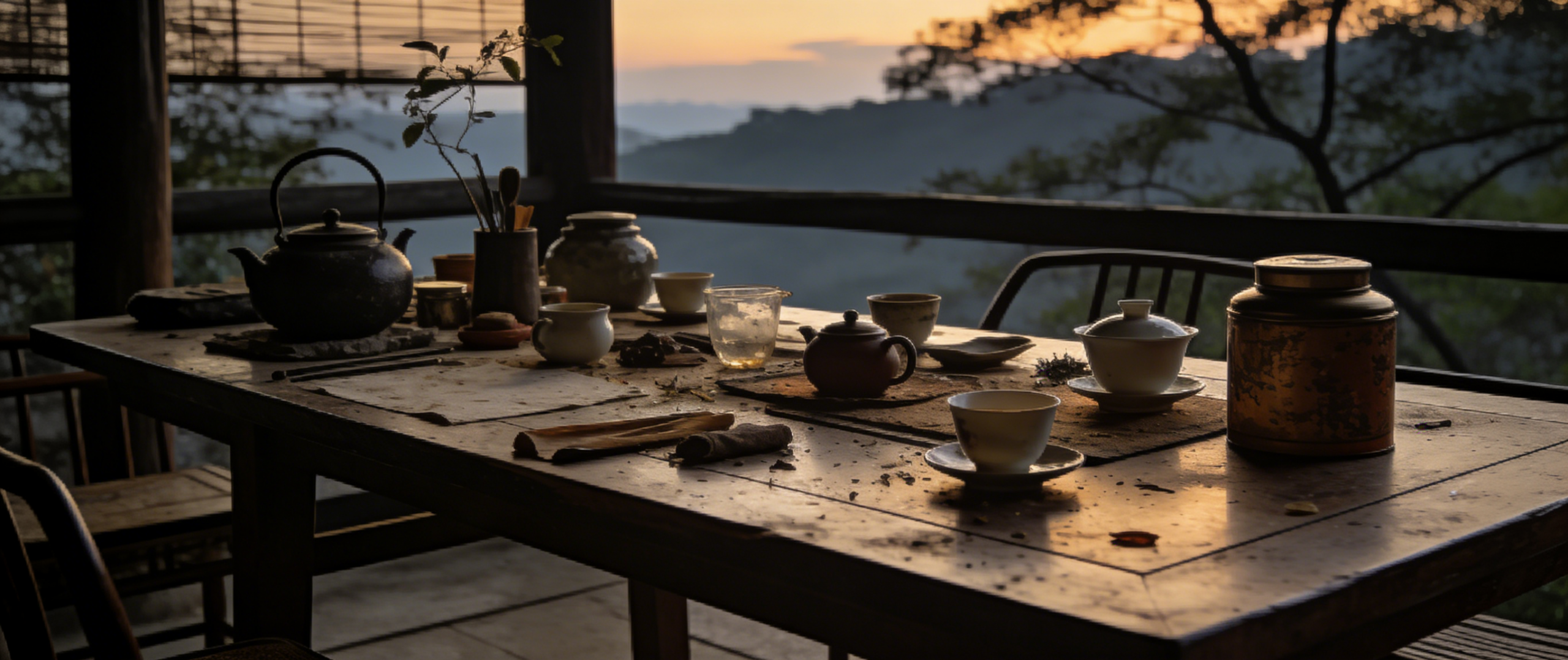
A tea table is a mirror. The visual system we choose reflects our temperament, our preferences, our emotional landscape. Some practitioners gravitate toward minimalism—clean lines, pale colors, uncluttered surfaces. Their tea tables feel like quiet mornings, like the first breath after meditation. Others prefer richness—dark woods, textured glazes, objects with history and patina. Their tea tables feel like autumn evenings, like stories told beside a warm lamp.

There is no right or wrong style. What matters is authenticity. A cohesive visual system emerges when the brewer chooses objects that resonate with their inner world. Over time, the tea table becomes a self‑portrait—not in a literal sense, but in the way it expresses mood, memory, and identity. The tools become companions; the vessels become extensions of the hand; the colors become reflections of the heart.

This emotional cohesion is what transforms a tea session from a technical exercise into a lived experience. It is what makes the tea table feel like home.


IV. Building Your Visual System — Intuition, Evolution, and the Art of Belonging

Creating a visual system for teaware is not a single decision—it is a journey. It evolves with time, with taste, with the changing seasons of life. At first, the brewer may choose objects simply because they are beautiful. Later, they choose because the objects belong—because they speak to each other, because they create harmony, because they feel right in the hand and right in the heart.

Intuition plays a central role. The brewer learns to sense which materials complement each other, which colors soothe or energize, which shapes create balance. They learn that a tea table is not a display, but a living space—one that grows richer with use, with patina, with memory.

In the end, a visual system is not about perfection. It is about belonging. It is about creating a space where the brewer feels grounded, inspired, and at ease. A space where tea can unfold naturally, beautifully, and with quiet dignity.

Closing Reflections — The Tea Table as a Work of Art, and the Brewer as Its Artist

When the tea session ends and the vessels are rinsed and dried, the visual system remains—a quiet composition of objects that hold the memory of the moment. It reminds us that tea is not only about taste; it is about atmosphere. It is about the way beauty shapes experience, the way harmony shapes emotion, the way intention shapes ritual.

A cohesive visual system transforms the tea table into a work of art—not static, but living; not decorative, but expressive. It teaches us that the art of tea is the art of arrangement, the art of attention, the art of seeing the world with clarity and tenderness. And in this way, the tea table becomes a sanctuary—a place where the senses awaken, where the mind settles, where the heart remembers what it means to be present.

To build a visual system is to build a world. A world where objects speak softly, where colors breathe, where materials carry meaning, and where the ritual of tea becomes a daily act of beauty.

Crafted to Delight, Chosen to Feel Right

Curated Pieces, Crafted Purpose

Explore the selections below—where craftsmanship meets desire, and your tea table finds its fire.

-33%
Select options This product has multiple variants. The options may be chosen on the product page

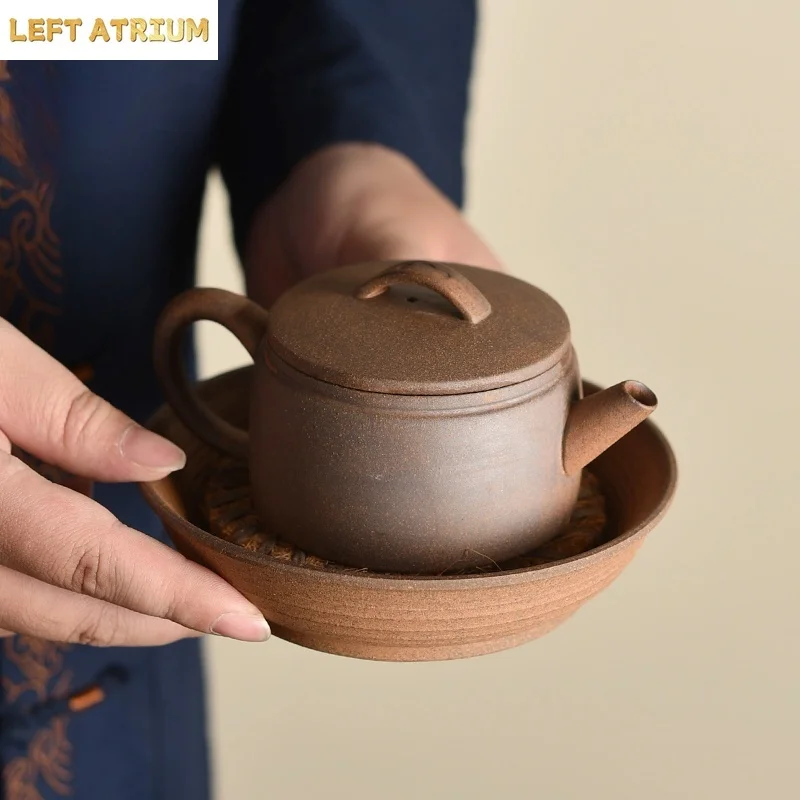
「侘寂壶 · Kurohō」 — 145ml Handmade Coarse Pottery Teapot (Retro Japanese Style · Rustic Clay Body · Gongfu Infuser Pot)

Original price was: $89.99.Current price is: $59.99.
-30%
Select options This product has multiple variants. The options may be chosen on the product page

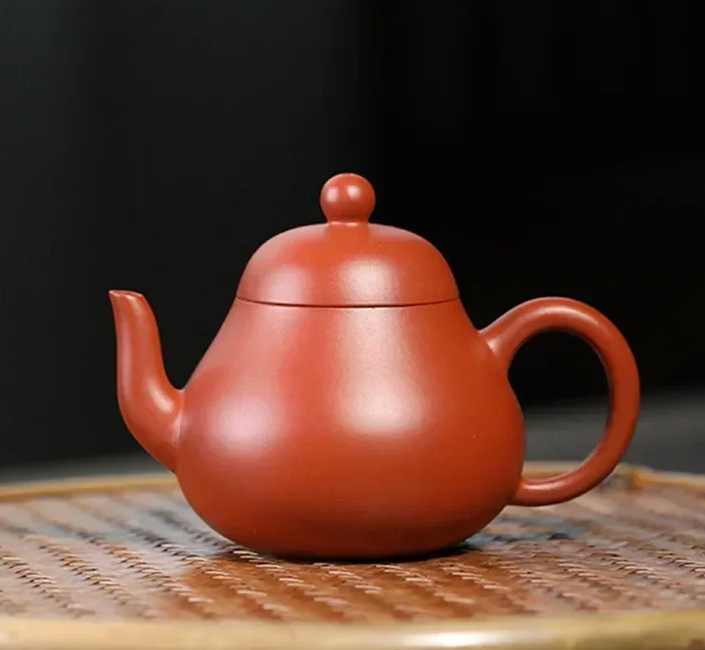
「创意梨壶 · Hearthdrop」 — 200ml Handmade Yixing Purple Clay Teapot (Raw Ore Zisha · Pear-Shaped Form · Famous Artist Work)

Original price was: $99.99.Current price is: $69.99.
-25%
Select options This product has multiple variants. The options may be chosen on the product page

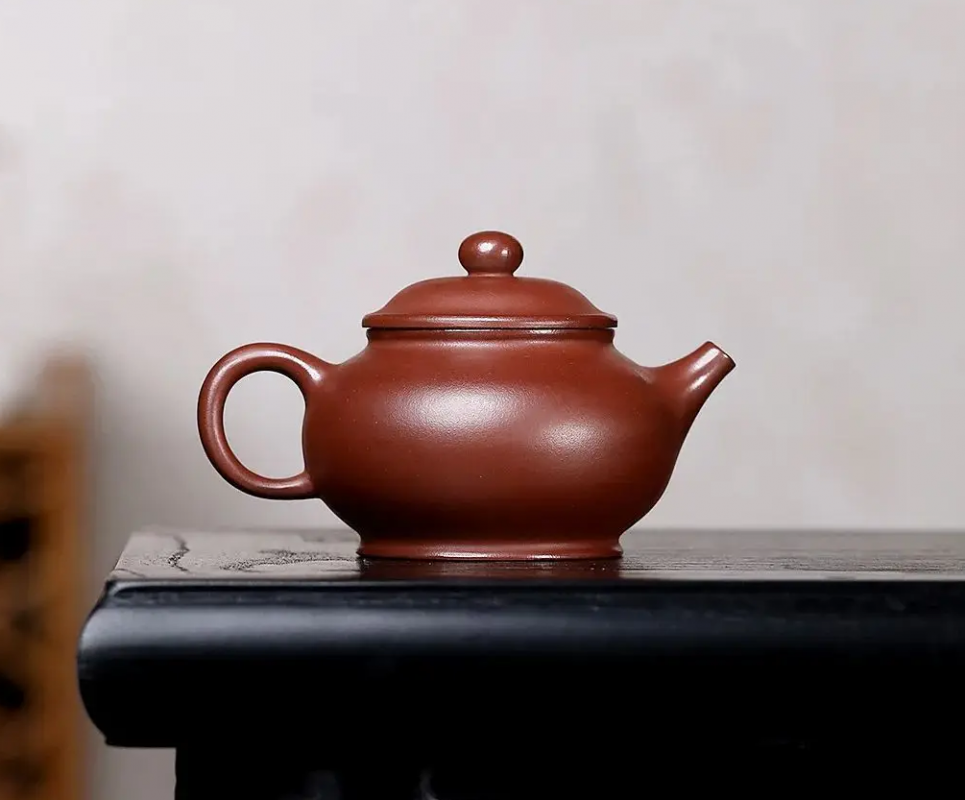
「刻韵壶 · Carved Harmony」 — 210ml Handmade Yixing Teapot (Raw Ore Zhu Ni Clay · Traditional Carved Form · Built-in Strainer)

Original price was: $119.99.Current price is: $89.99.
-30%
Select options This product has multiple variants. The options may be chosen on the product page

「名家梨壶 · Masterseed」 — 85ml Handmade Yixing Purple Clay Teapot (Raw Ore Zisha · Pear-Shaped Form · Famous Artist Work)

Original price was: $99.99.Current price is: $69.99.
-27%
Select options This product has multiple variants. The options may be chosen on the product page

「呼吸壶 · Breathing Vessel」 — 160ml Master-Crafted Yixing Teapot (Zhu Ni Clay · Dual-Pore Structure · Ming Dynasty Heritage)

Original price was: $109.99.Current price is: $79.99.
-11%
Select options This product has multiple variants. The options may be chosen on the product page

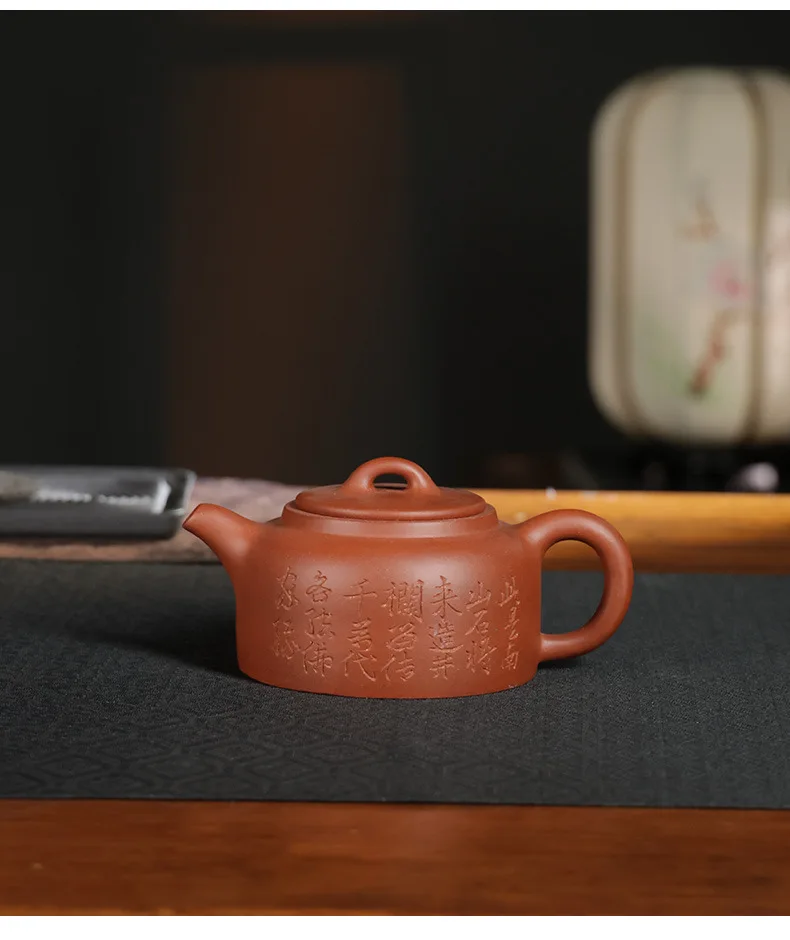
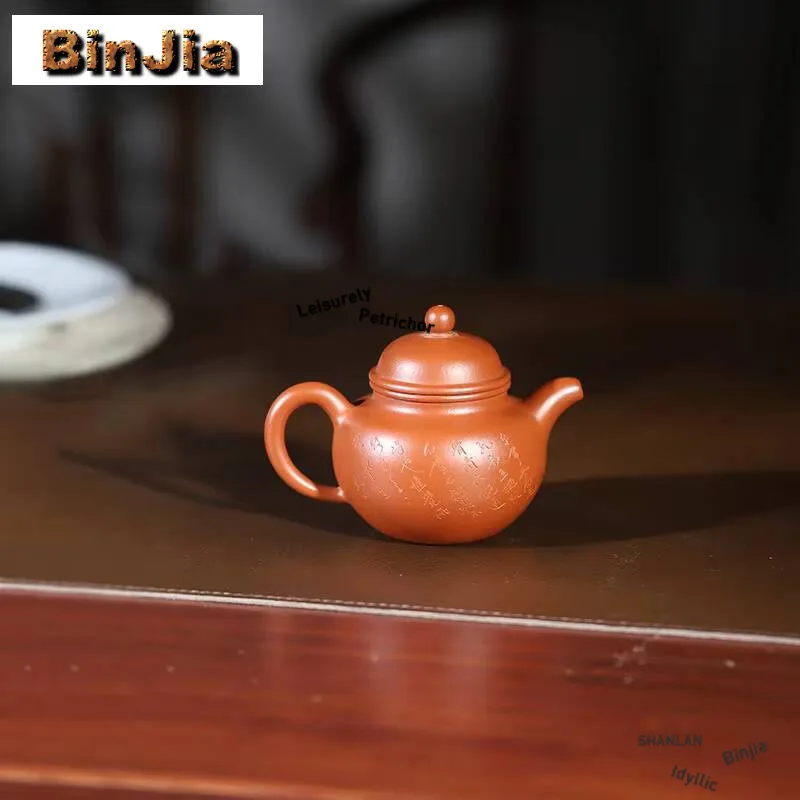
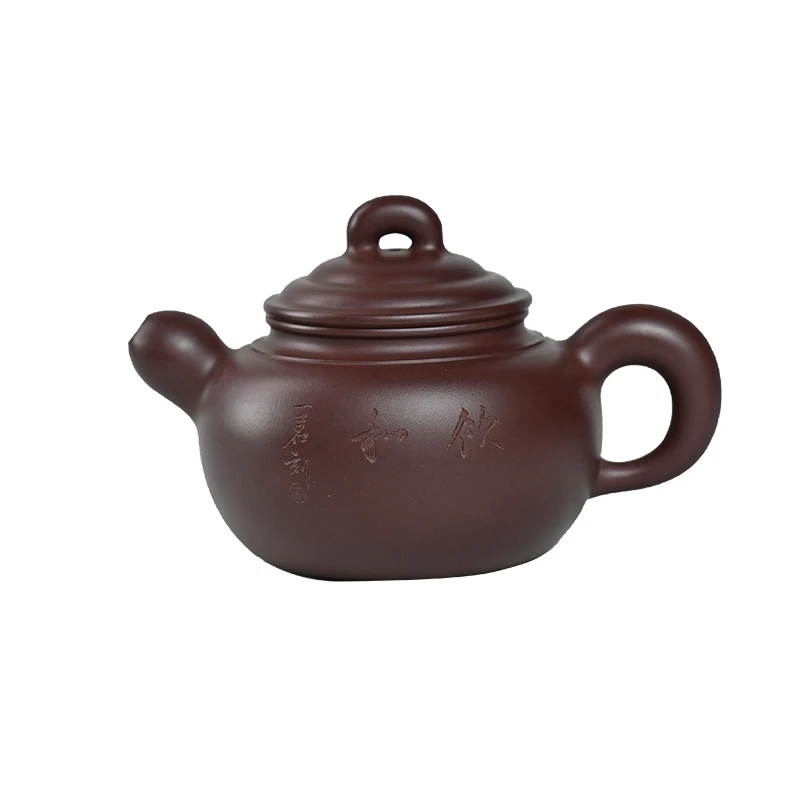
「和饮壶 · Harmony」 — 300ml Master Handmade Yixing Purple Clay Teapot (Raw Ore Zhu Ni · Classic Form · Calligraphy Engraving)

Original price was: $639.99.Current price is: $569.99.
-19%
Select options This product has multiple variants. The options may be chosen on the product page

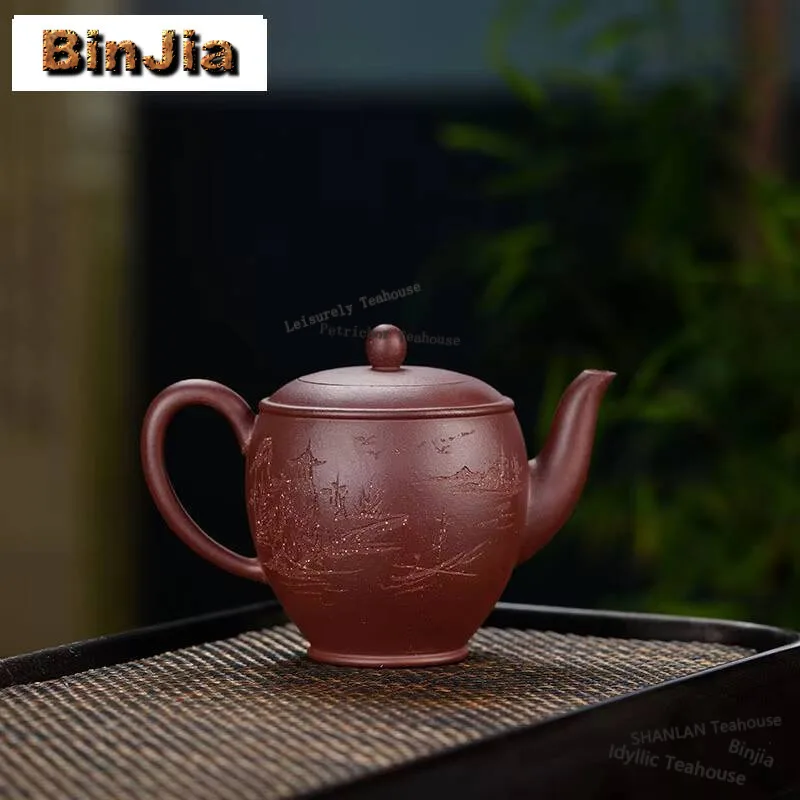
「大刻壶 · Grand Script」 — 540ml Handmade Yixing Purple Clay Teapot (Raw Ore Purple Mud · Large Capacity · Calligraphy Engraving)

Original price was: $156.87.Current price is: $126.87.
-20%
Select options This product has multiple variants. The options may be chosen on the product page

「大口壶 · Inkroot」 — 180ml Handmade Yixing Purple Clay Teapot (Raw Ore Zisha · Large-Caliber Form · Built-in Filter)

Original price was: $149.99.Current price is: $119.99.

Leave a Reply

Your email address will not be published. Required fields are marked *