

Blog
Zisha Gaiwan: Depth, Warmth & Tea Body



「井栏花鸟 · Well Fence Harmony」 — 130ml Boutique Handmade Yixing Purple Clay Teapot | Well Fence Form with Flowers & Birds Engraving · Raw Ore Red Downhill Mud · Zisha Gongfu Gift Edition
Original price was: $124.22.$94.22Current price is: $94.22.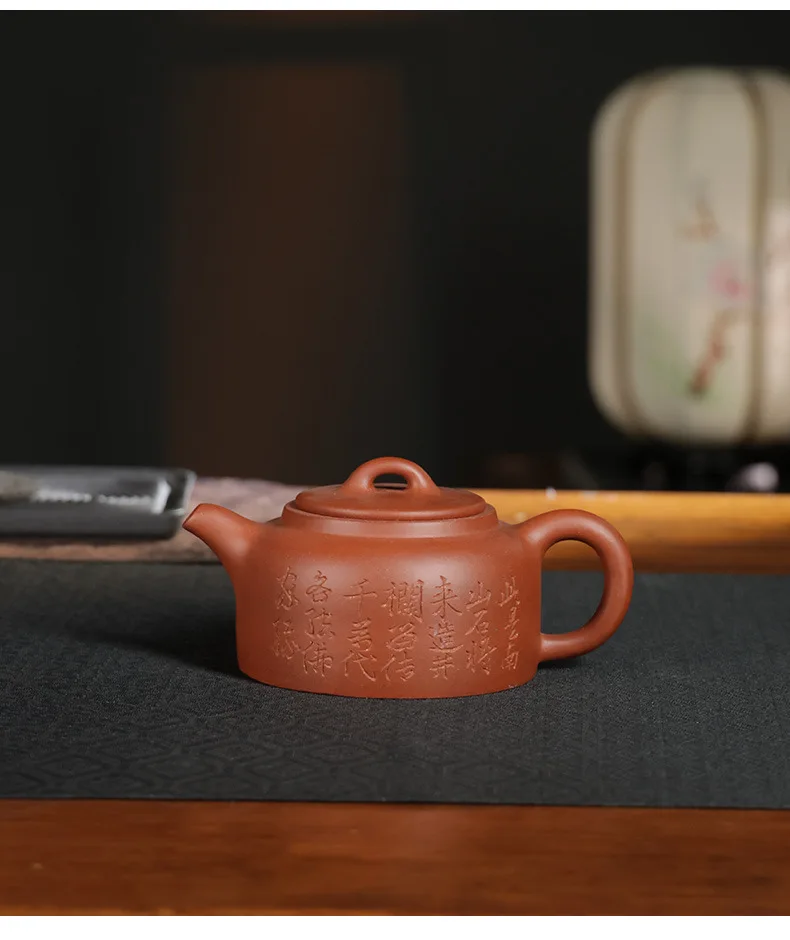

「井栏龙韵 · Well Fence Harmony」 — 240ml Handmade Yixing Purple Clay Teapot | Well Fence Form · Raw Ore Red Leather Dragon Mud · Zisha Gongfu Tea Set
Original price was: $184.22.$164.22Current price is: $164.22.
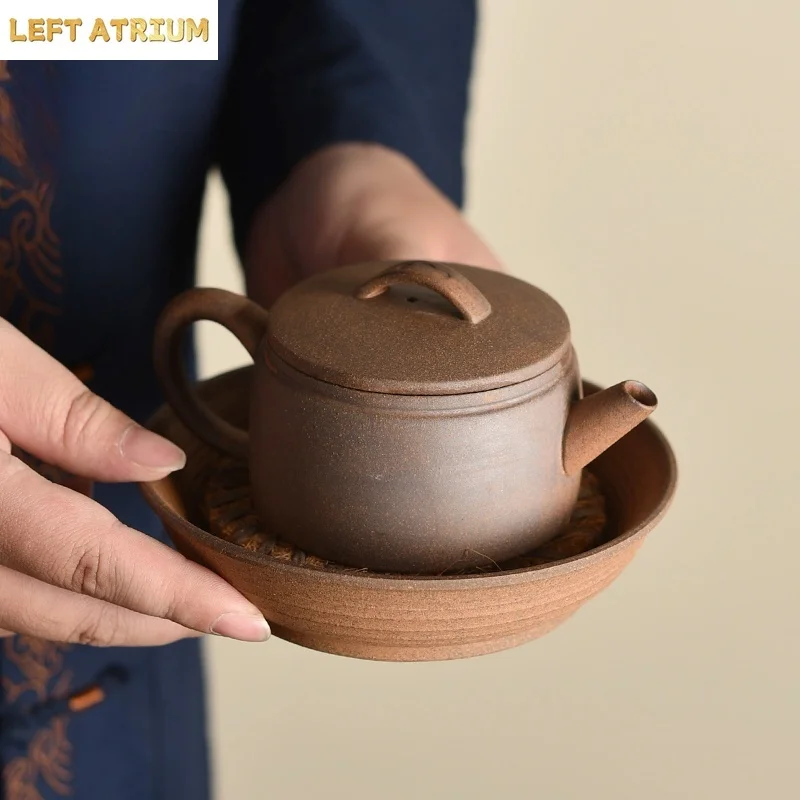
「侘寂壶 · Kurohō」 — 145ml Handmade Coarse Pottery Teapot (Retro Japanese Style · Rustic Clay Body · Gongfu Infuser Pot)
Original price was: $89.99.$59.99Current price is: $59.99.

「供春壶 · Tribute to the Roots」 — 140ml Handmade Yixing Purple Clay Teapot (Gong Chun Style · Raw Ore Zisha · Mesh Filter · Folk Artisan Work)
Original price was: $99.99.$69.99Current price is: $69.99.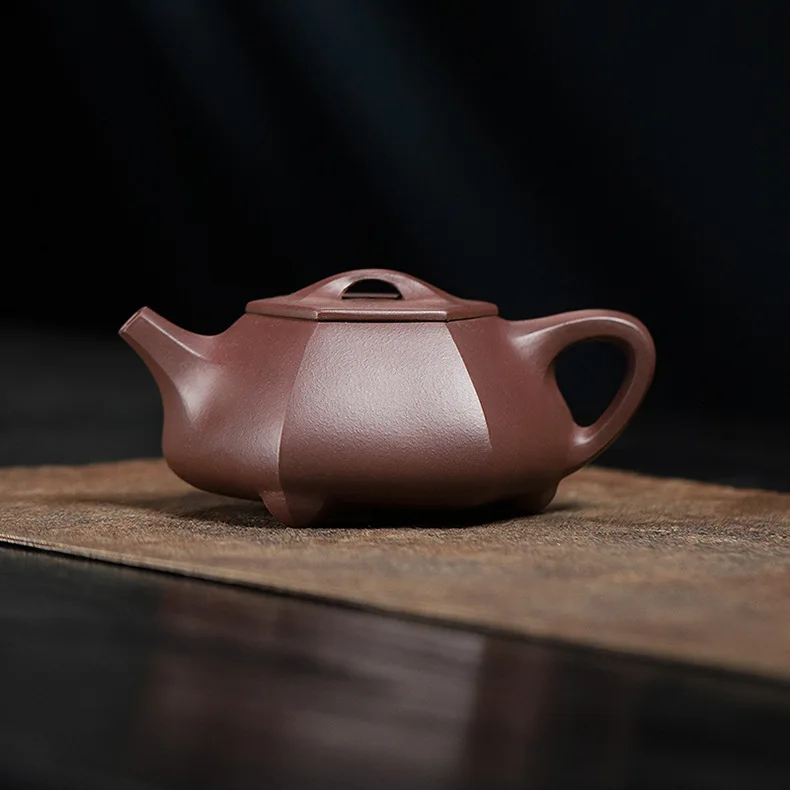
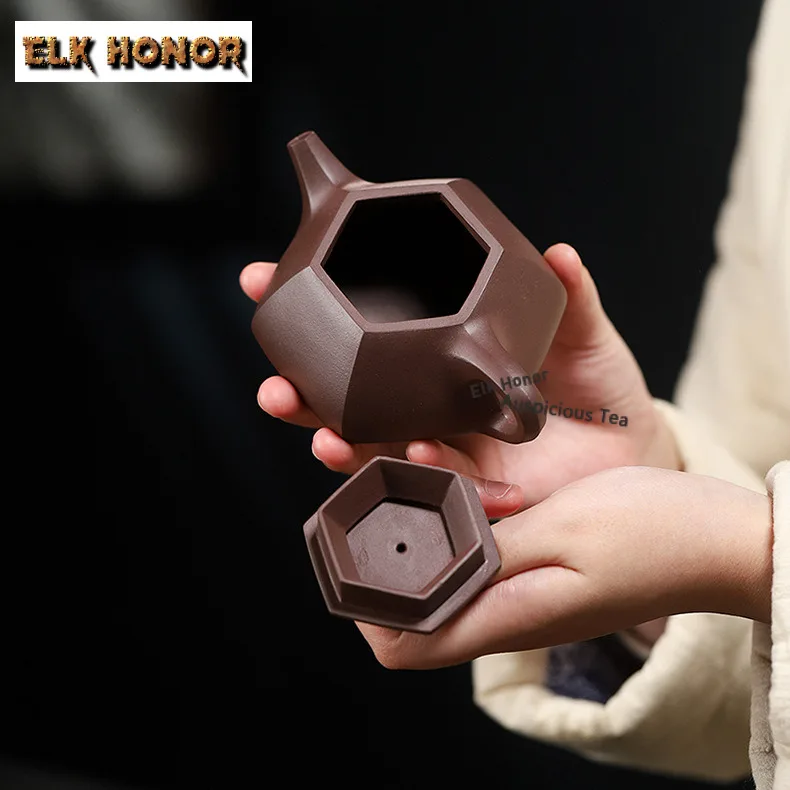
「六方石瓢 · HexaScoop」 — 200ml Handmade Yixing Purple Clay Teapot | Hexagonal Stone Scoop Form · Raw Ore Zisha · Vintage Gongfu Teaware Gift Edition
Original price was: $159.99.$129.99Current price is: $129.99.

「创意梨壶 · Hearthdrop」 — 200ml Handmade Yixing Purple Clay Teapot (Raw Ore Zisha · Pear-Shaped Form · Famous Artist Work)
Original price was: $99.99.$69.99Current price is: $69.99.
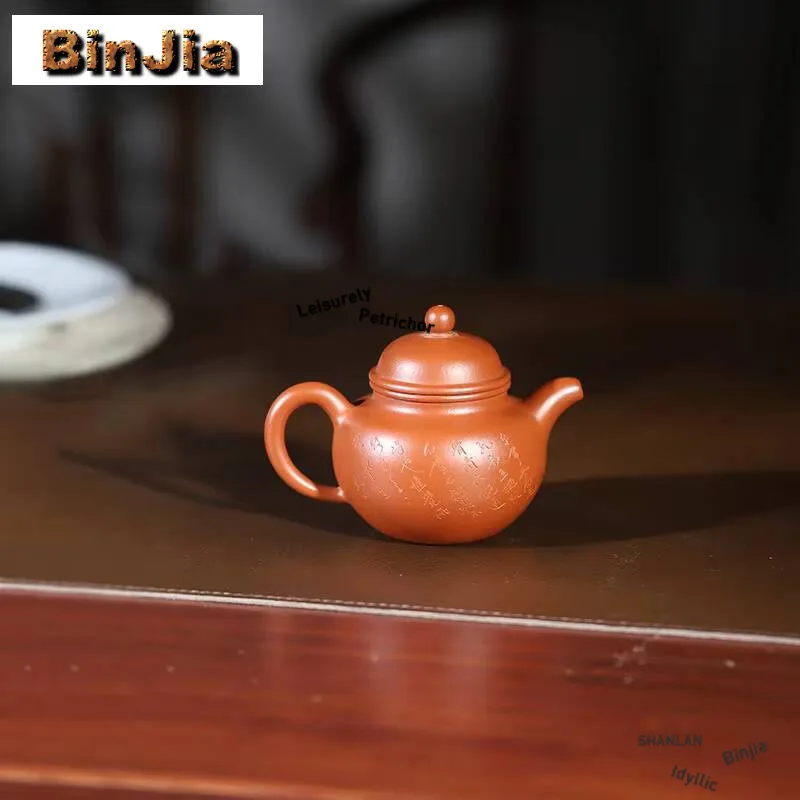
「刻韵壶 · Carved Harmony」 — 210ml Handmade Yixing Teapot (Raw Ore Zhu Ni Clay · Traditional Carved Form · Built-in Strainer)
Original price was: $119.99.$89.99Current price is: $89.99.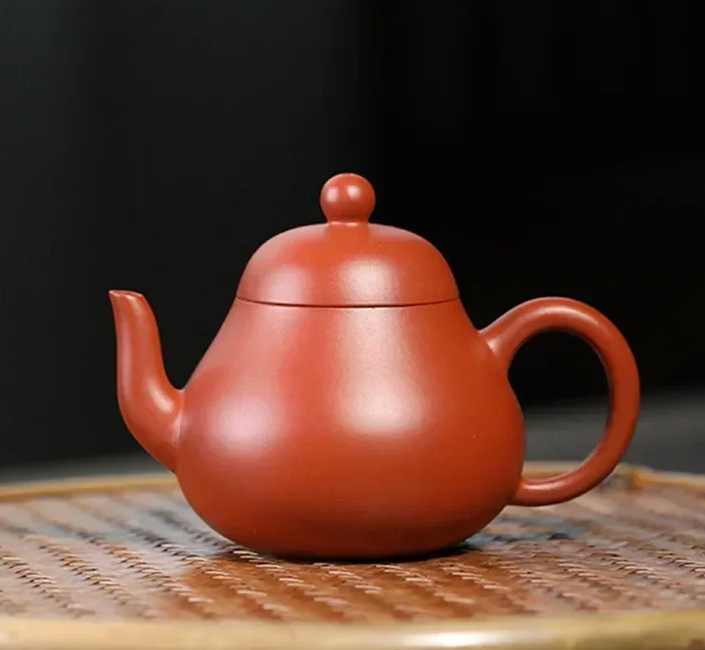

「名家梨壶 · Masterseed」 — 85ml Handmade Yixing Purple Clay Teapot (Raw Ore Zisha · Pear-Shaped Form · Famous Artist Work)
Original price was: $99.99.$69.99Current price is: $69.99.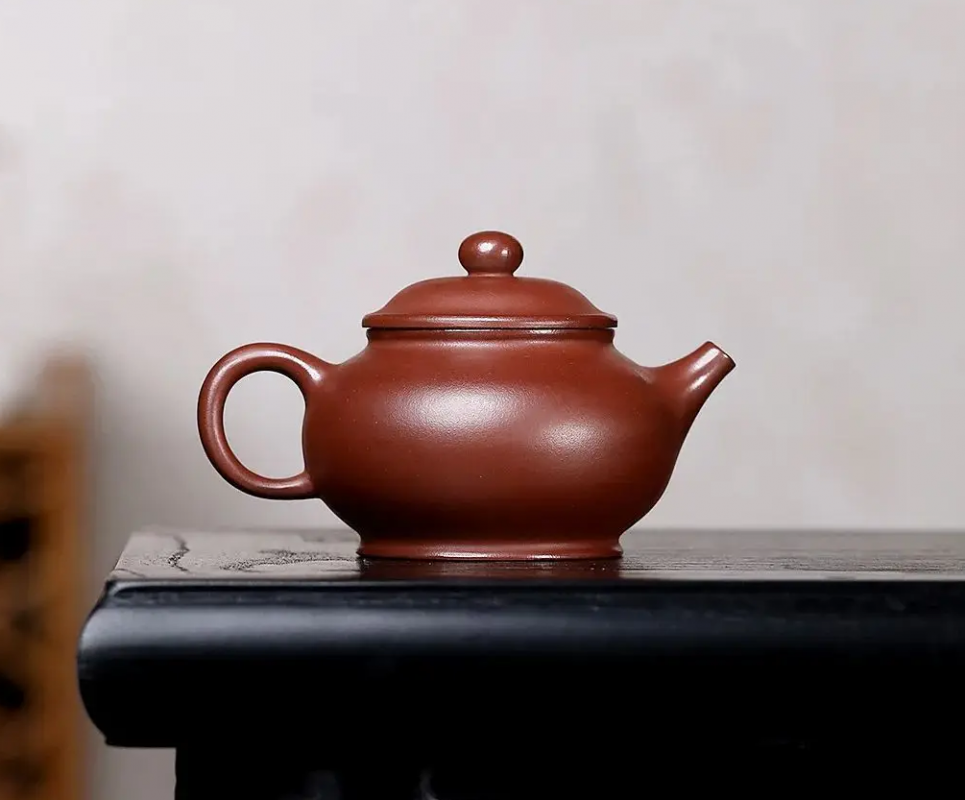

「呼吸壶 · Breathing Vessel」 — 160ml Master-Crafted Yixing Teapot (Zhu Ni Clay · Dual-Pore Structure · Ming Dynasty Heritage)
Original price was: $109.99.$79.99Current price is: $79.99.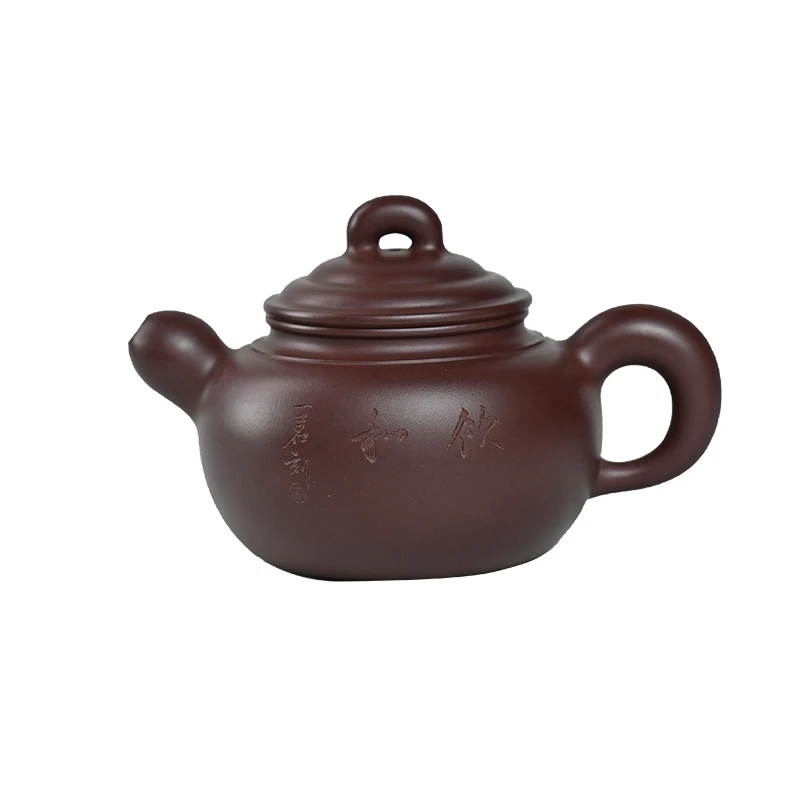

「和饮壶 · Harmony」 — 300ml Master Handmade Yixing Purple Clay Teapot (Raw Ore Zhu Ni · Classic Form · Calligraphy Engraving)
Original price was: $639.99.$569.99Current price is: $569.99.
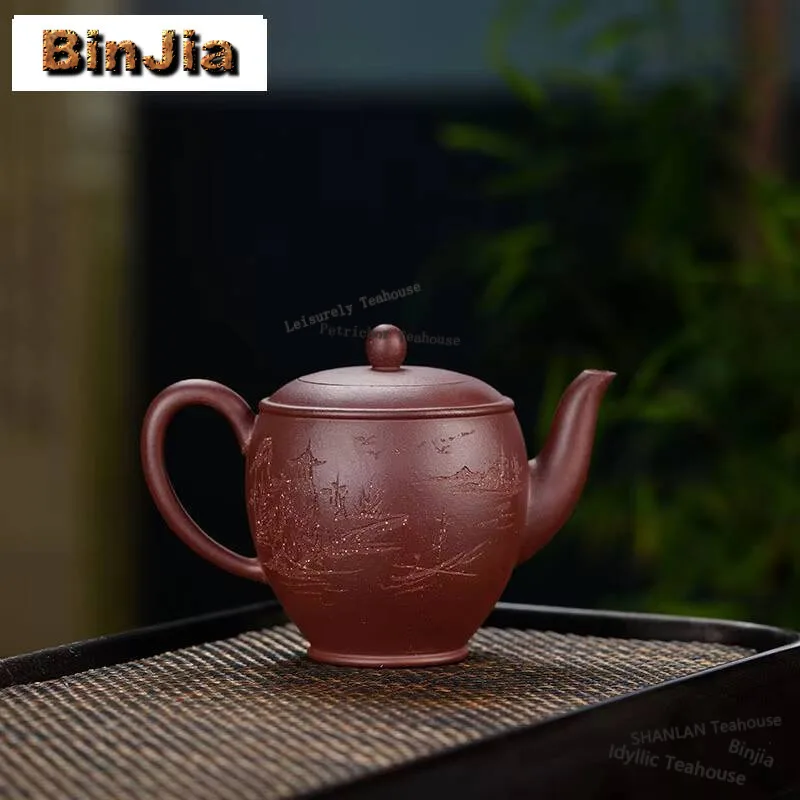
「大刻壶 · Grand Script」 — 540ml Handmade Yixing Purple Clay Teapot (Raw Ore Purple Mud · Large Capacity · Calligraphy Engraving)
Original price was: $156.87.$126.87Current price is: $126.87.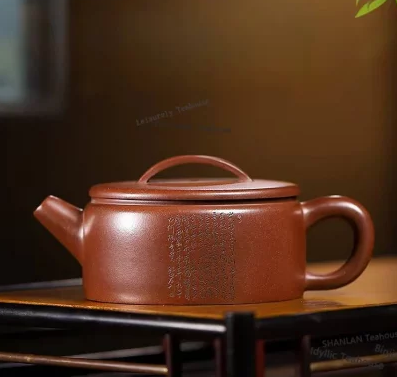

「大口壶 · Inkroot」 — 180ml Handmade Yixing Purple Clay Teapot (Raw Ore Zisha · Large-Caliber Form · Built-in Filter)
Original price was: $149.99.$119.99Current price is: $119.99.Related Posts
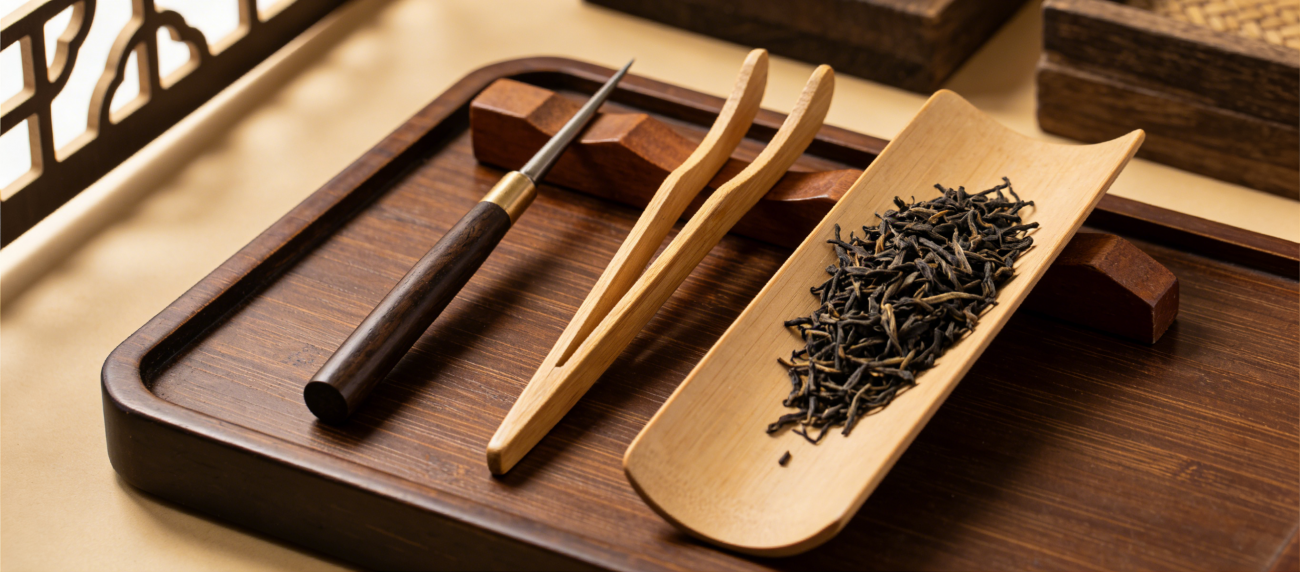
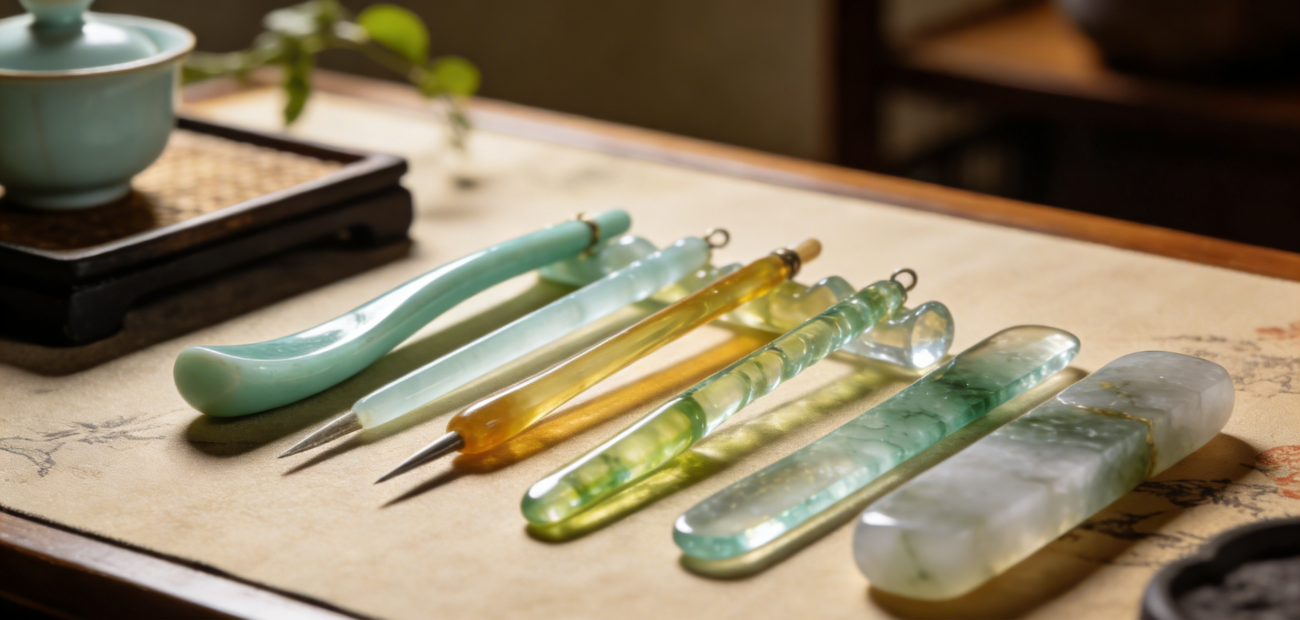
Tea Needle, Tweezer & Scoop: Practical Skills

Tea Needle, Tweezer & ScoopPractical Skills — Precision, Grace, and the Quiet Discipline of Gongfu TeaBefore the first infusion is ...
Seasonal Pairings: Spring Fresh, Summer Cool, Autumn Rich, Winter Warm
Seasonal Tea Tools: Spring Fresh, Summer CoolHow the Seasons Shape the Tools We Choose, and How Tools Shape the Spirit of the SeasonsBe...

Gaiwan Techniques: Temperature, Flow & Aroma
Gaiwan TechniquesTemperature, Flow & Aroma — The Subtle Mechanics Behind Mastering a Three‑Piece VesselThe gaiwan is often describe...

Brewing Oolong, White Tea & Pu’er with a Gaiwan
Brewing Oolong, White Tea & Pu’er with a GaiwanUnderstanding Leaf Behavior, Heat Logic & the Quiet Precision of Gongfu BrewingT...
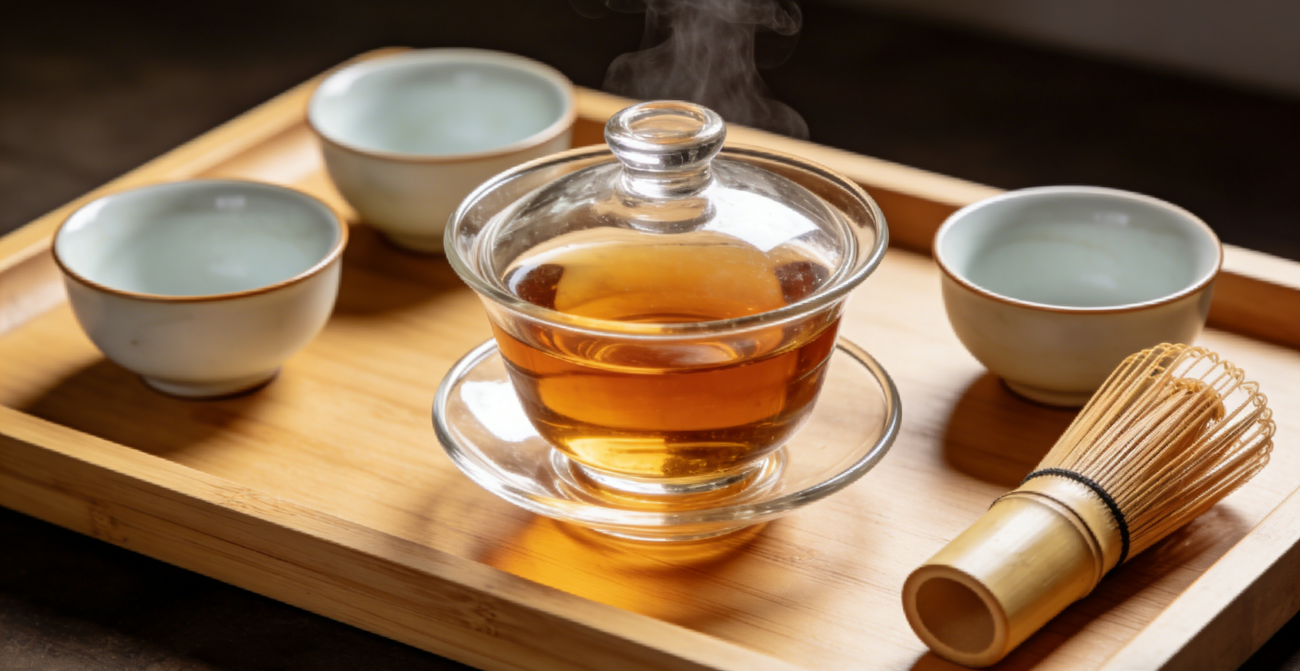
Petal Rim Gaiwan: Seasonal Aesthetics & Artistry
Glass GaiwanTransparency, Lightness & Leaf Expression — A Vessel That Lets Tea Reveal Itself in Full ViewThe glass gaiwan occupies ...
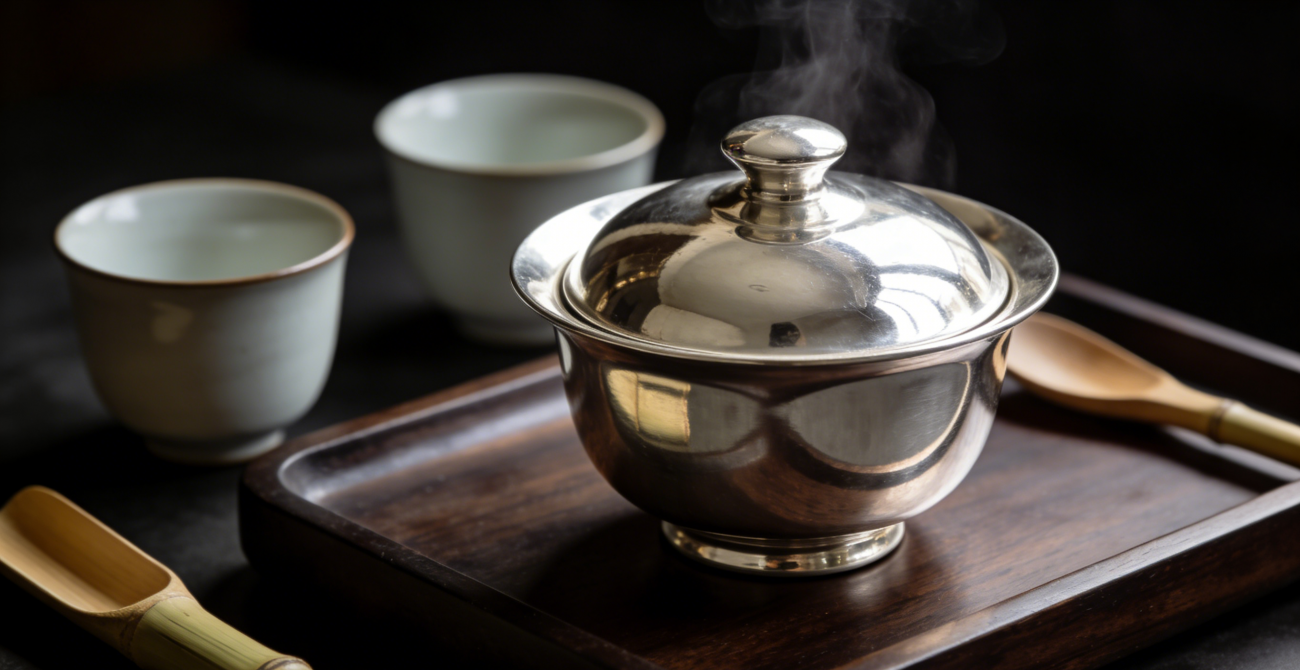
Silver Gaiwan: Temperature Mastery & Aroma Focus
Silver GaiwanA Vessel Defined by Precision, Clarity, and the Sensory Discipline of Modern Tea CraftThe silver gaiwan—crafted from pure ...
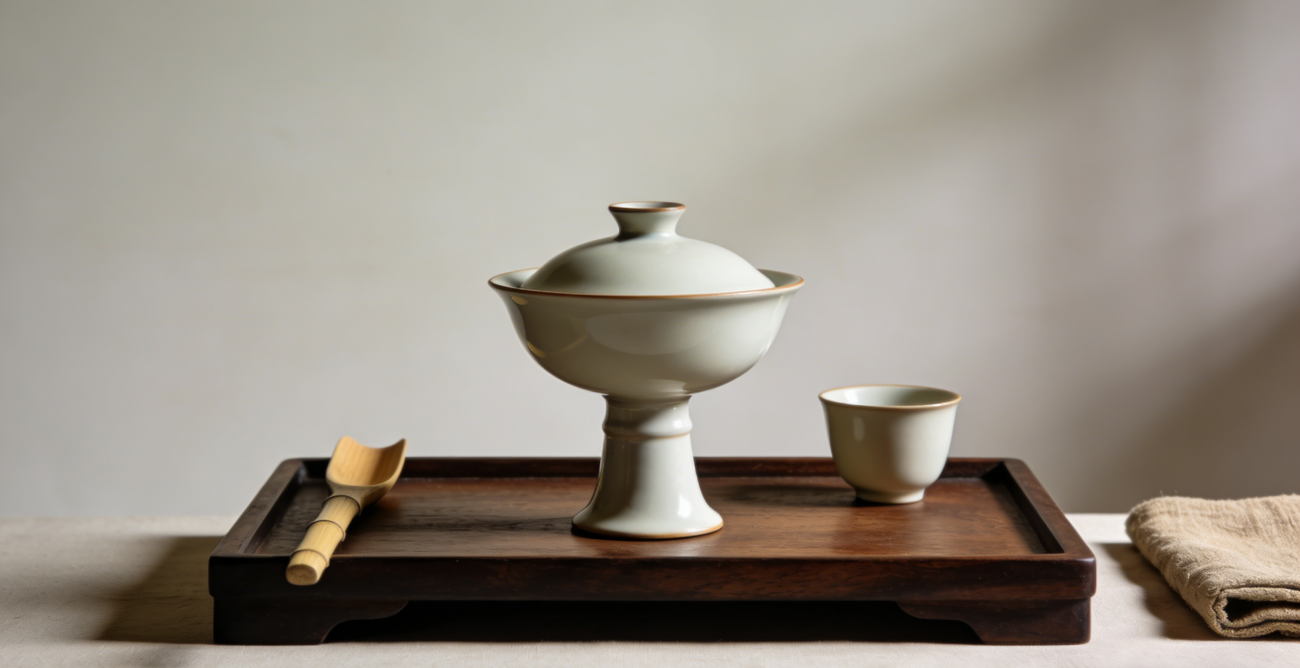
Tall Foot Gaiwan: Scholarly Ritual & Elegance
Tall Foot GaiwanScholarly Ritual & Elegance — Height, Balance, and the Poise of Classical Tea AestheticsAmong all gaiwan forms, the...

Flared Rim Gaiwan
Flared Rim GaiwanFlow Control for Beginners — Precision, Comfort, and Confidence in Every PourAmong all gaiwan designs, the flared rim ...
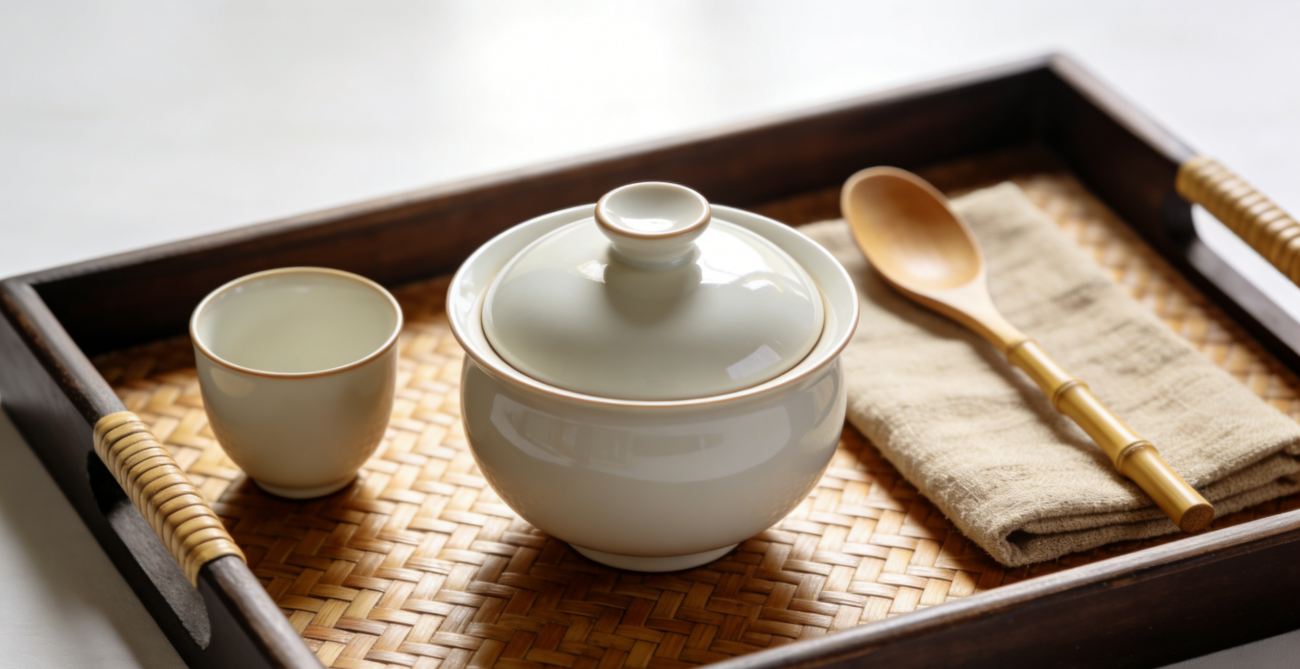
Round Fullness Gaiwan: The Universal Brewer
Round Fullness GaiwanThe Universal Brewer — Balance, Clarity & Effortless Control in One Timeless FormAmong all brewing vessels in ...
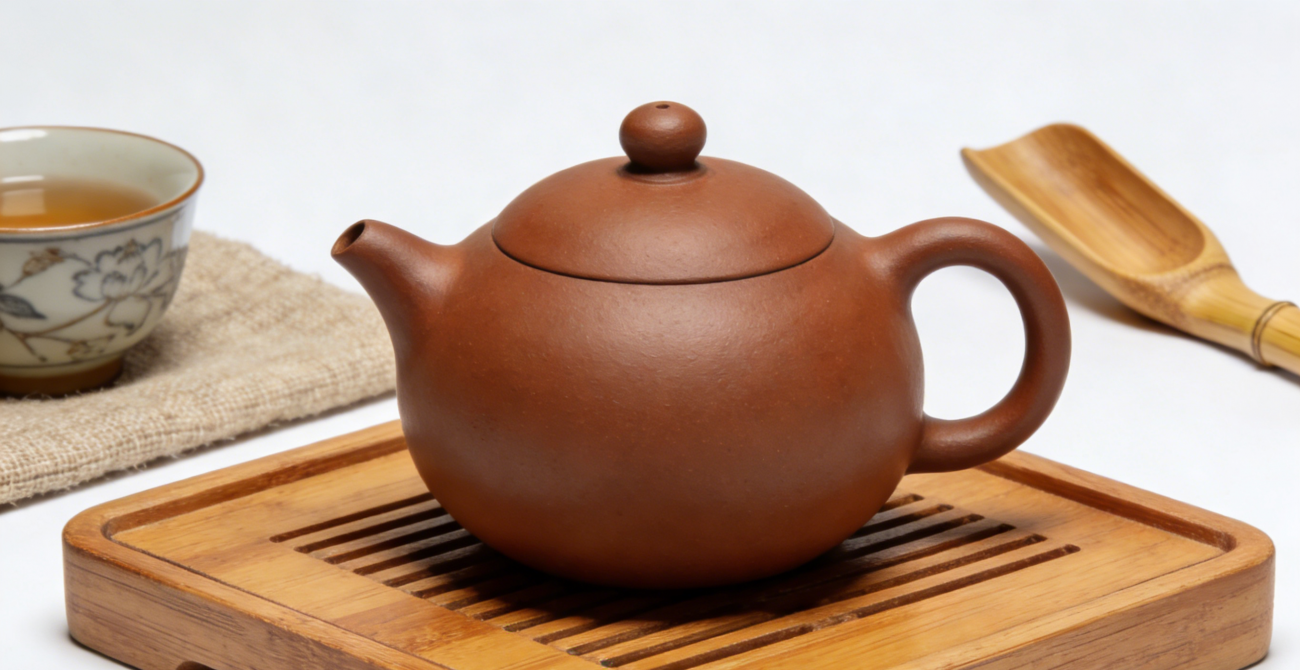
Rong Tian: Fullness, Harmony & Inclusiveness
Rong Tian TeapotFullness, Harmony & Inclusiveness — A Form That Embodies Roundness, Balance, and the Spirit of GenerosityThe Rong T...
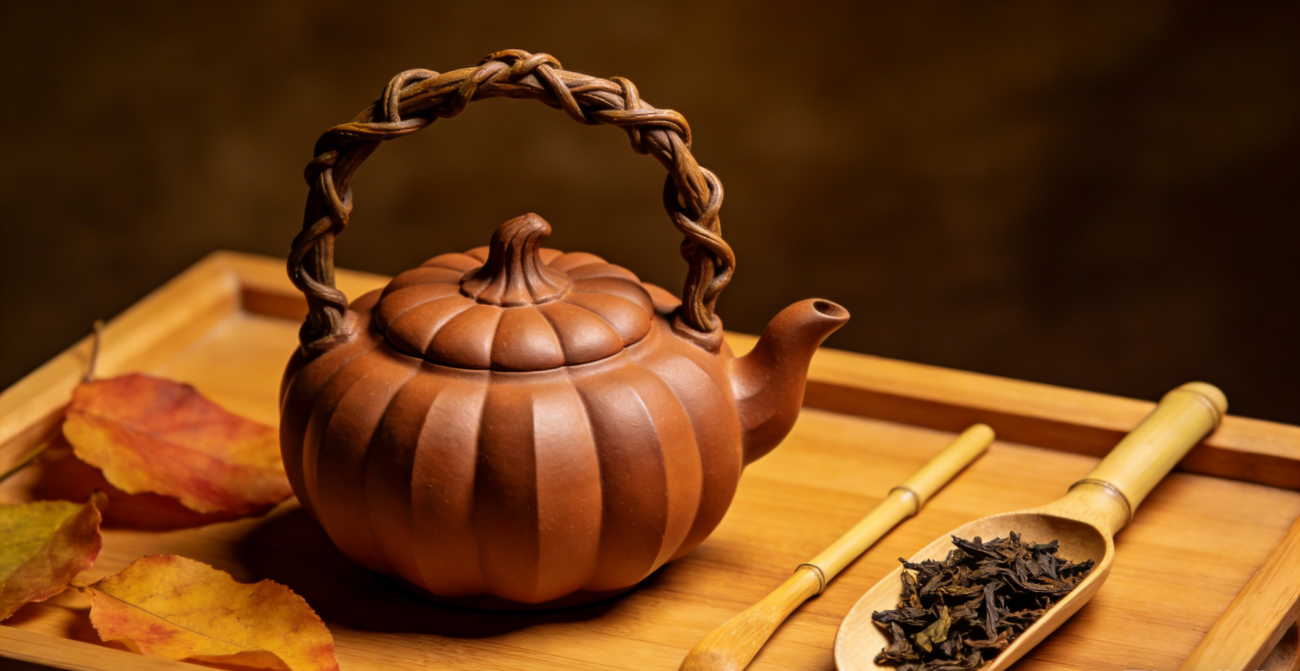
Pumpkin Teapot: Seasonal Warmth & Rustic Charm
Pumpkin TeapotSeasonal Warmth & Rustic Charm — A Form Rooted in Harvest, Rhythm, and Earthly AbundanceThe Pumpkin Teapot—Nan Gua Hu...

Authority Cylinder: Balance, Weight & Ancient Order
Authority Cylinder TeapotBalance, Weight & Ancient Order — A Form Rooted in Ritual Strength and Scholarly DisciplineAmong the many ...