
Tea Tools & Space

Six Gentlemen: Cultural Meaning of Each Tool

Opening — Where Ritual Meets Humanity, and Small Tools Reveal the Soul of Tea

Every art form has its silent guardians. In painting, it is the brush; in calligraphy, the inkstone; in music, the tuning of strings before the first note is played. In Gongfu tea, the guardians are far humbler—six slender tools carved from bamboo or wood, resting quietly at the edge of the tea tray. They do not shine like porcelain or glow like Tenmoku glaze. They do not command attention. Yet without them, the ritual would lose its rhythm, its clarity, its sense of inner order. These are the Six Gentlemen, and their presence reveals something profound about the nature of tea—and about the nature of being human.

For tea, like life, is shaped not only by grand gestures but by the refinement of small ones. The way we guide the leaves, the way we clear the spout, the way we handle heat and restore stillness—these gestures mirror the way we navigate our days. The Six Gentlemen remind us that mastery is not a matter of force, but of attention; not a matter of speed, but of presence. They teach us that beauty arises when intention meets action, when the hand moves with clarity, when the heart moves with respect.

To begin a tea session with the Six Gentlemen is to step into a lineage of quiet discipline. It is to acknowledge that even the simplest tools can carry spirit, and that the smallest actions can reveal character. In their modest forms, they hold a philosophy: that life is shaped by the way we handle the ordinary, the way we care for what is small, the way we honor what is easily overlooked. And in this way, the Six Gentlemen become more than tools—they become mirrors, reflecting the inner state of the brewer and the deeper meaning of the tea ritual itself.


I. Origins of the Six Gentlemen — Tools Born from Order, Respect, and the Scholar’s Way

The Six Gentlemen of Gongfu tea—those modest bamboo tools that rest quietly at the edge of the tea tray—carry a lineage far older and deeper than their simplicity suggests. Their origins trace back to the Ming and Qing dynasties, when loose‑leaf tea replaced powdered tea and the brewing process became more intimate, more tactile, and more dependent on the cooperation between hand and vessel. As Gongfu brewing evolved, practitioners needed tools capable of guiding delicate leaves into narrow teapot mouths, clearing spouts, handling heat, and maintaining order on the tea table. Yet these tools were never merely utilitarian. They were shaped by the same cultural forces that shaped the scholar’s studio—the reverence for bamboo, the love of understated craftsmanship, the belief that daily rituals should cultivate the mind. In this way, the Six Gentlemen became embodiments of Confucian virtues: humility, discipline, clarity, and harmony. They were not accessories but companions, echoing the scholar’s Four Treasures of the Study, and carrying the same quiet dignity that defined classical Chinese aesthetics.

II. The Gentlemen at Work — How Each Tool Shapes the Brewing Ritual

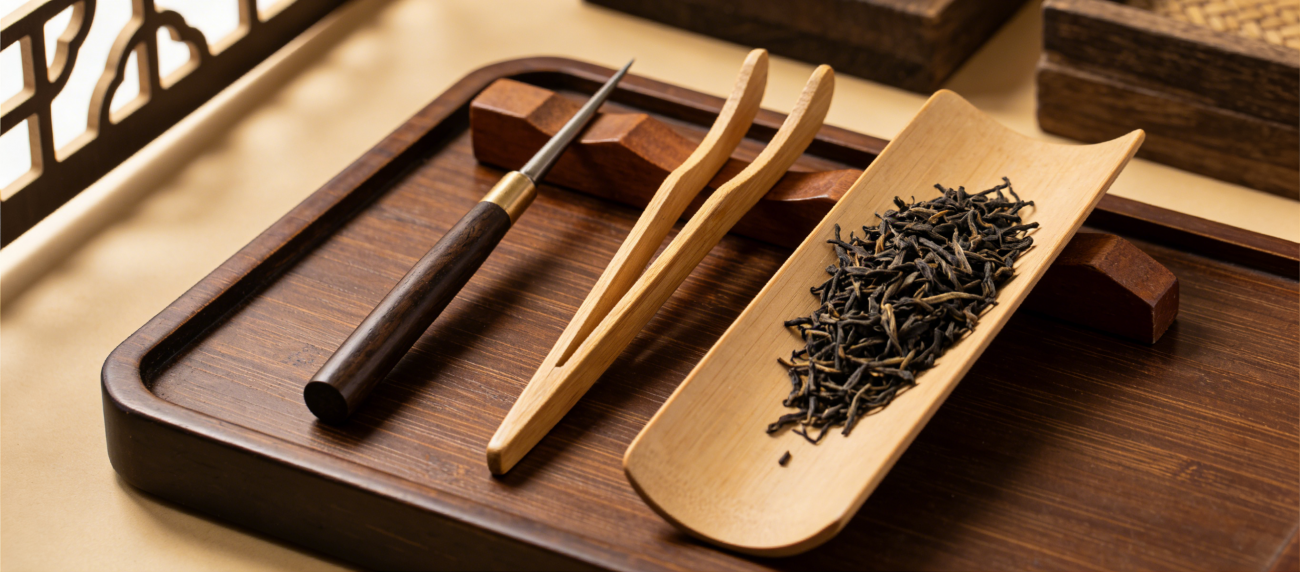
When the tea session begins, the Six Gentlemen move with a choreography so subtle that it often escapes the notice of beginners. Yet their presence shapes the entire rhythm of Gongfu tea. The tea scoop introduces the leaves, guiding them from jar to pot with a gesture that feels like an invitation—an opening of the ritual space. The funnel receives them, ensuring that not a single leaf is lost, honoring the value of the harvest and the mountains where the tea was grown. The needle clears the spout, restoring flow and reminding the brewer that clarity is essential, both in tea and in life. The clip handles the lid or cups when heat becomes too intense, preserving composure and preventing haste. The spoon removes spent leaves, closing the session with the same grace that opened it. And the pick assists in cleaning, returning the teapot to stillness, preparing it for its next encounter with water and leaf. Each tool performs a small gesture, but together they create a rhythm—a gentle, unhurried cadence that shapes the atmosphere of the tea table. They remind the brewer that mastery is not found in dramatic movements, but in the refinement of small ones.


III. Symbolism and Spirit — Why the Six Gentlemen Matter Beyond Function

The cultural meaning of the Six Gentlemen deepens with time. The more one brews, the more one begins to sense the symbolic weight carried by these quiet tools. The scoop becomes a symbol of beginnings, of the moment when leaf meets vessel. The funnel becomes a symbol of protection, ensuring that nothing is wasted and everything finds its place. The needle becomes a symbol of clarity, clearing blockages and restoring flow—an echo of the inner work required in meditation. The clip becomes a symbol of restraint, a reminder that gentleness is stronger than force. The spoon becomes a symbol of completion, the graceful closing of a cycle. And the pick becomes a symbol of renewal, preparing the pot for its next life, its next session, its next story. In this sense, the Six Gentlemen are not merely tools—they are teachers. They embody the values that underlie Gongfu tea: respect for the leaf, respect for the vessel, and respect for the moment. They remind the brewer that tea is not only a beverage, but a practice of character.

IV. The Gentlemen in Modern Tea Culture — Minimalism, Aesthetics, and the Return to Ritual

In contemporary tea culture, the Six Gentlemen have taken on new forms. Some are carved from bamboo, others from rosewood, ebony, or metal. Some are minimalist, almost architectural; others are ornate, echoing classical motifs. Yet their purpose remains unchanged: to bring order, grace, and intention to the tea table. Even in modern minimalist settings, these tools retain their symbolic weight. They slow the pace of brewing, encourage mindful movement, and transform the tea table into a space of presence. They remind us that ritual is not old‑fashioned—it is deeply human. In a world that moves quickly, the Six Gentlemen offer a counterpoint: a return to slowness, to touch, to the beauty of doing one thing with full attention. They anchor the tea session, not through spectacle, but through quiet reliability. Their presence is a reminder that the heart of Gongfu tea lies not in complexity, but in care.


Closing Reflections — Six Tools, One Spirit, and the Art of Living with Grace

When the tea session ends and the last cup has been poured, the Six Gentlemen return to their quiet place on the tea tray. Their work is done, yet their presence lingers—like the final resonance of a bell after its sound has faded. They remind us that the essence of Gongfu tea is not found in complexity, but in clarity; not in performance, but in sincerity. They show us that the heart of the ritual lies not in the tea itself, but in the way we approach it—with patience, with respect, with a willingness to slow down and meet the moment fully.

In this sense, the Six Gentlemen are not merely accessories of the tea table. They are teachers of a deeper art: the art of living with grace. They show us how to begin with intention, how to move with care, how to clear what obstructs us, how to handle what is too hot to touch, how to close a cycle with dignity, and how to prepare for renewal. These lessons extend far beyond tea. They touch the way we work, the way we relate, the way we breathe through the challenges of life.

To understand the Six Gentlemen is to understand that refinement is not a luxury—it is a way of being. It is the quiet discipline of tending to the small things, the humility of honoring what supports us, the wisdom of knowing that beauty is built from the inside out. And so, as the tea table returns to stillness, the Six Gentlemen stand as a reminder: that in the world of Gongfu tea, as in life, gentleness is a form of strength, and attention is a form of love.

They are the silent companions who hold the ritual together— and the quiet masters who teach us how to live.

Crafted to Delight, Chosen to Feel Right

Curated Pieces, Crafted Purpose

Explore the selections below—where craftsmanship meets desire, and your tea table finds its fire.

-33%
Select options This product has multiple variants. The options may be chosen on the product page

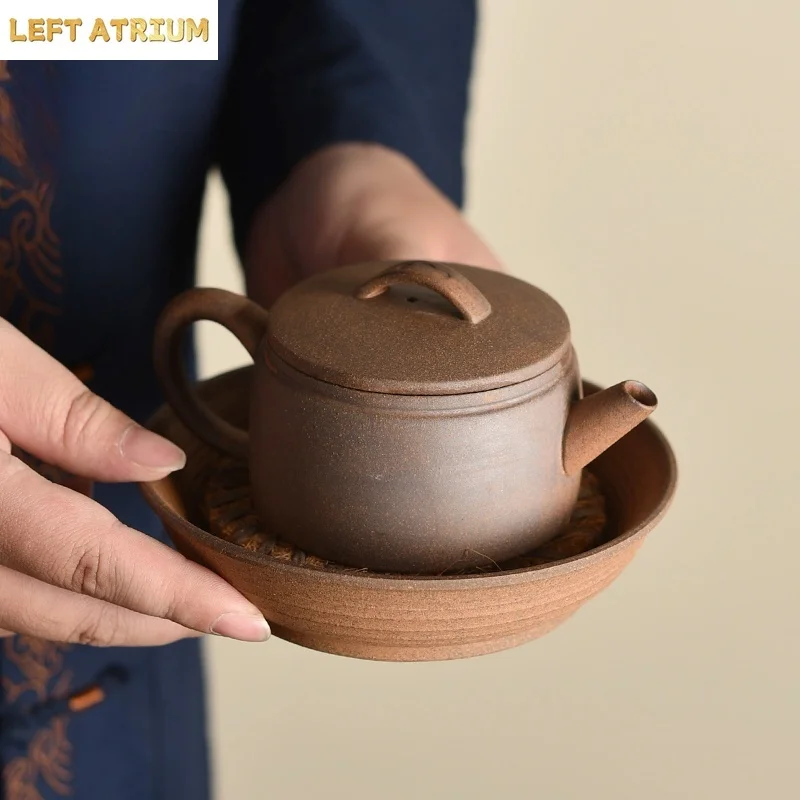
「侘寂壶 · Kurohō」 — 145ml Handmade Coarse Pottery Teapot (Retro Japanese Style · Rustic Clay Body · Gongfu Infuser Pot)

Original price was: €89.99.Current price is: €59.99.
-30%
Select options This product has multiple variants. The options may be chosen on the product page

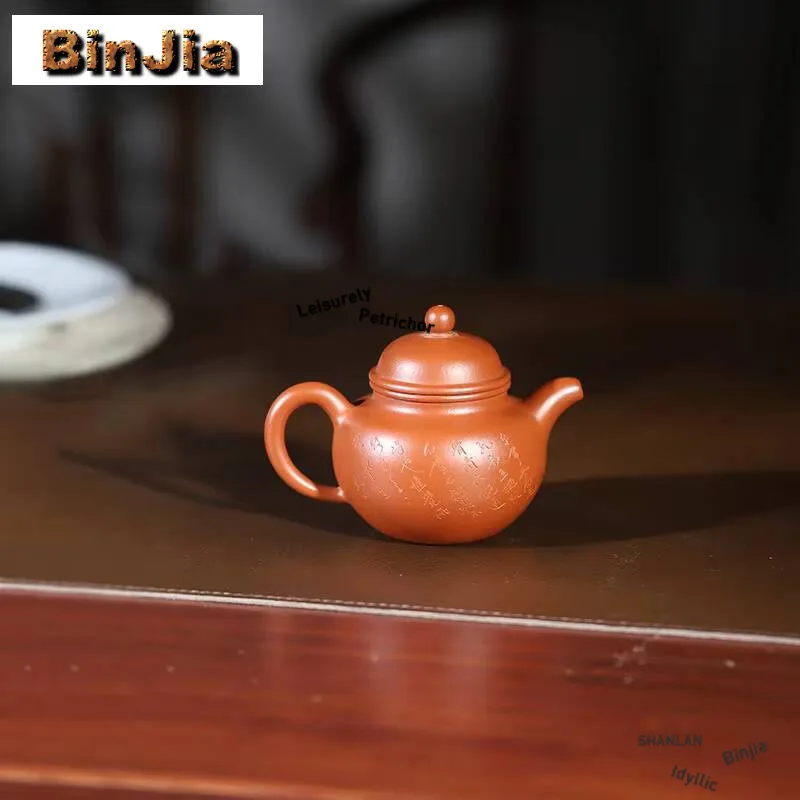
「供春壶 · Tribute to the Roots」 — 140ml Handmade Yixing Purple Clay Teapot (Gong Chun Style · Raw Ore Zisha · Mesh Filter · Folk Artisan Work)

Original price was: €99.99.Current price is: €69.99.
-30%
Select options This product has multiple variants. The options may be chosen on the product page

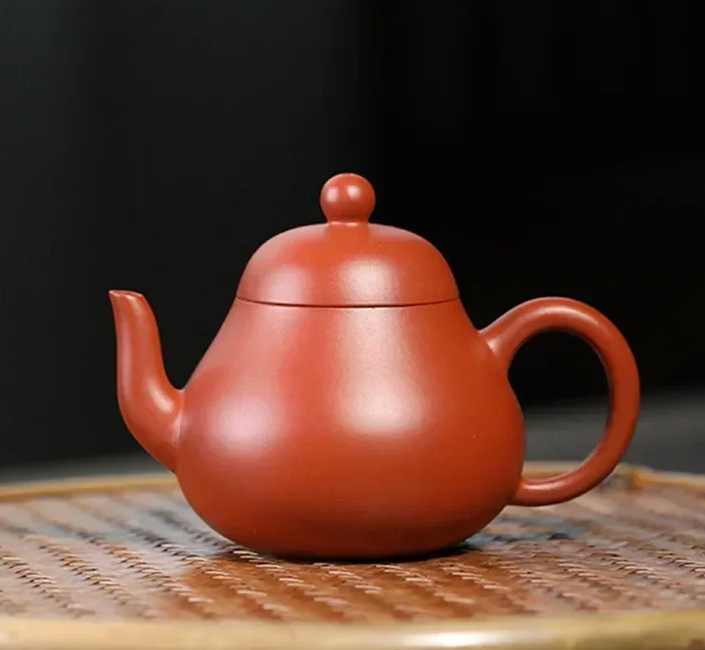
「创意梨壶 · Hearthdrop」 — 200ml Handmade Yixing Purple Clay Teapot (Raw Ore Zisha · Pear-Shaped Form · Famous Artist Work)

Original price was: €99.99.Current price is: €69.99.
-25%
Select options This product has multiple variants. The options may be chosen on the product page

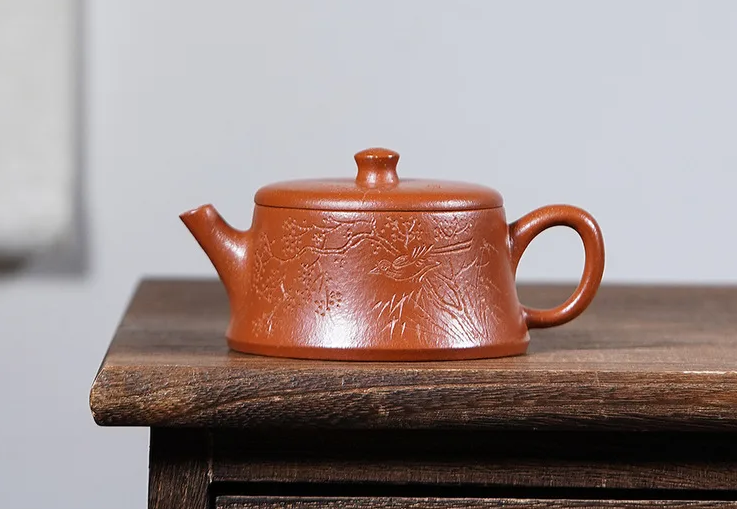
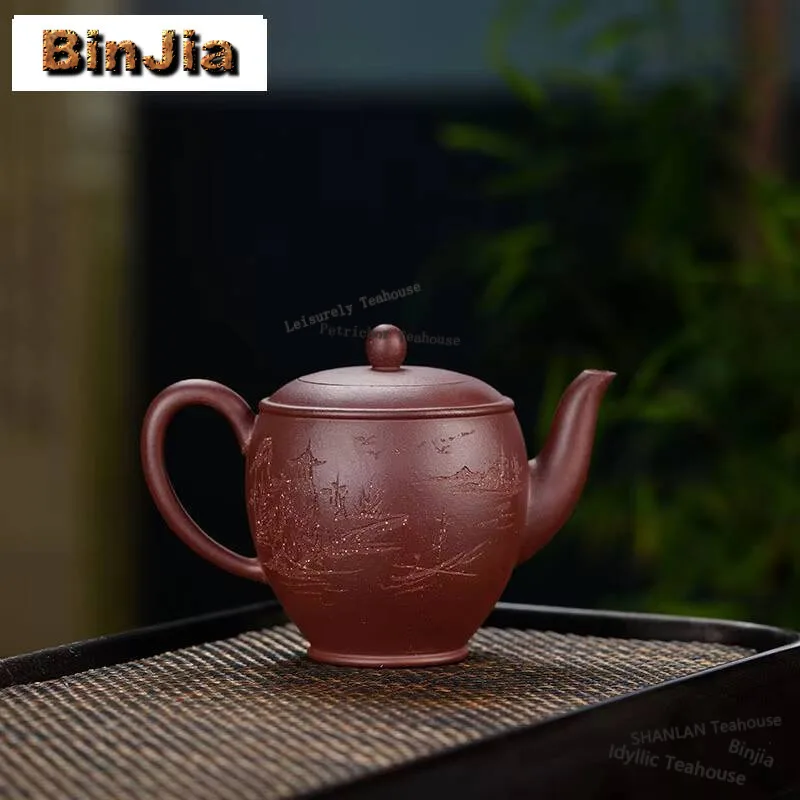
「刻韵壶 · Carved Harmony」 — 210ml Handmade Yixing Teapot (Raw Ore Zhu Ni Clay · Traditional Carved Form · Built-in Strainer)

Original price was: €119.99.Current price is: €89.99.
-30%
Select options This product has multiple variants. The options may be chosen on the product page

「名家梨壶 · Masterseed」 — 85ml Handmade Yixing Purple Clay Teapot (Raw Ore Zisha · Pear-Shaped Form · Famous Artist Work)

Original price was: €99.99.Current price is: €69.99.
-27%
Select options This product has multiple variants. The options may be chosen on the product page

「呼吸壶 · Breathing Vessel」 — 160ml Master-Crafted Yixing Teapot (Zhu Ni Clay · Dual-Pore Structure · Ming Dynasty Heritage)

Original price was: €109.99.Current price is: €79.99.
-11%
Select options This product has multiple variants. The options may be chosen on the product page

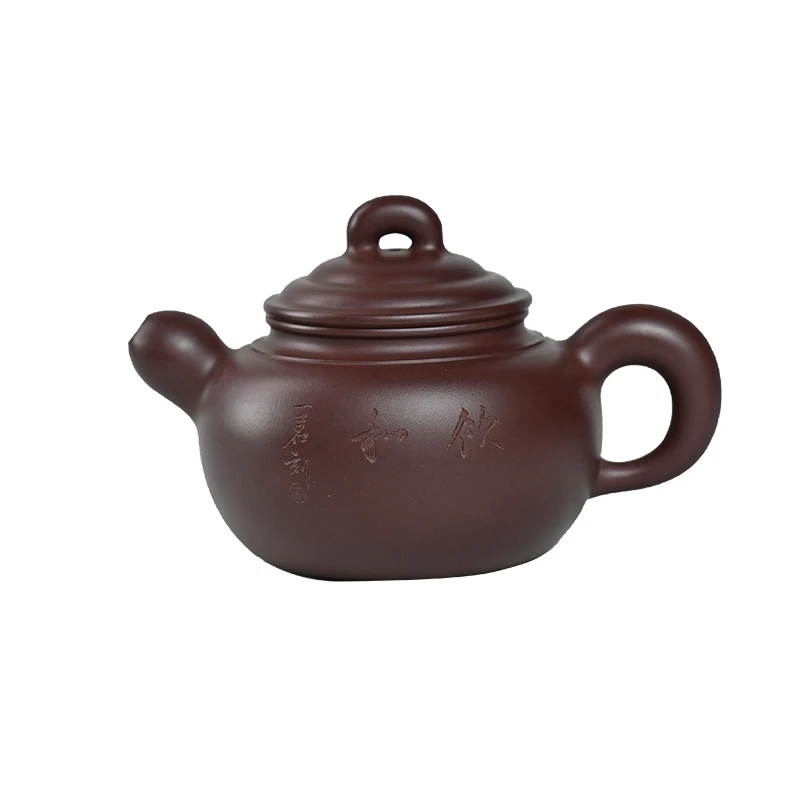
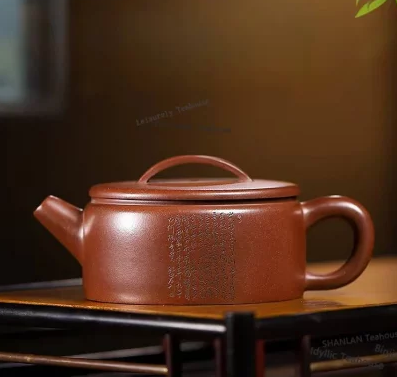
「和饮壶 · Harmony」 — 300ml Master Handmade Yixing Purple Clay Teapot (Raw Ore Zhu Ni · Classic Form · Calligraphy Engraving)

Original price was: €639.99.Current price is: €569.99.
-19%
Select options This product has multiple variants. The options may be chosen on the product page

「大刻壶 · Grand Script」 — 540ml Handmade Yixing Purple Clay Teapot (Raw Ore Purple Mud · Large Capacity · Calligraphy Engraving)

Original price was: €156.87.Current price is: €126.87.
-20%
Select options This product has multiple variants. The options may be chosen on the product page

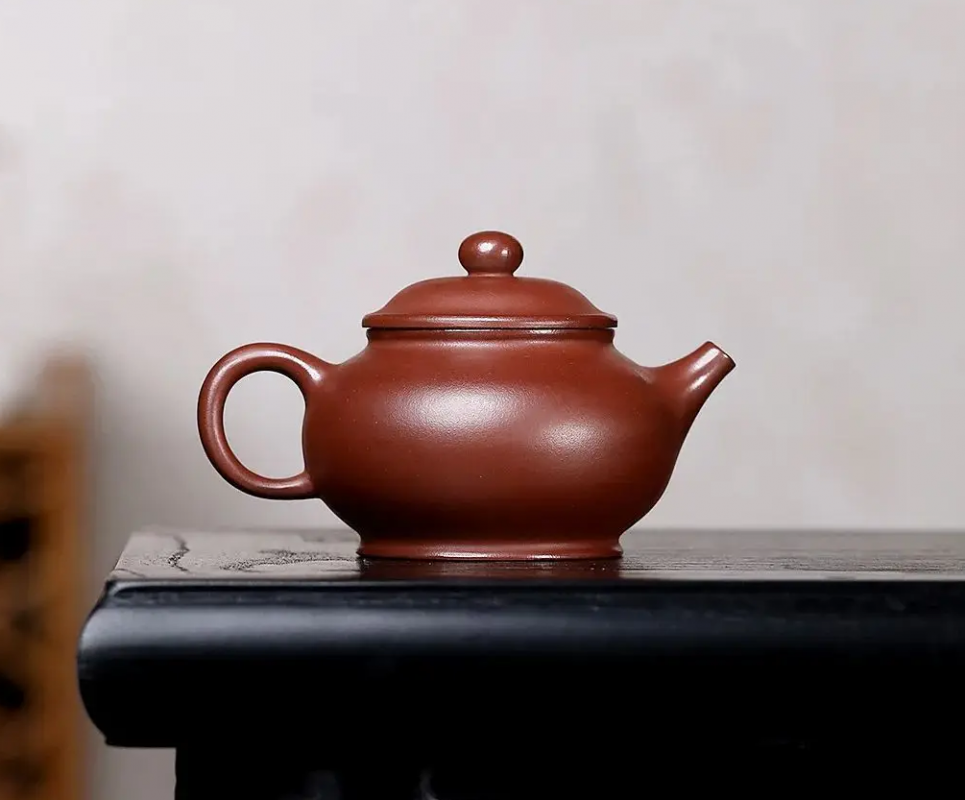
「大口壶 · Inkroot」 — 180ml Handmade Yixing Purple Clay Teapot (Raw Ore Zisha · Large-Caliber Form · Built-in Filter)

Original price was: €149.99.Current price is: €119.99.

Leave a Reply

Your email address will not be published. Required fields are marked *